
REVIEW · BUENOS AIRES COOKING WORKSHOPS
Buenos Aires: Empanadas and Alfajores Guided Cooking Class
Mate, cookies, and dinner at home.
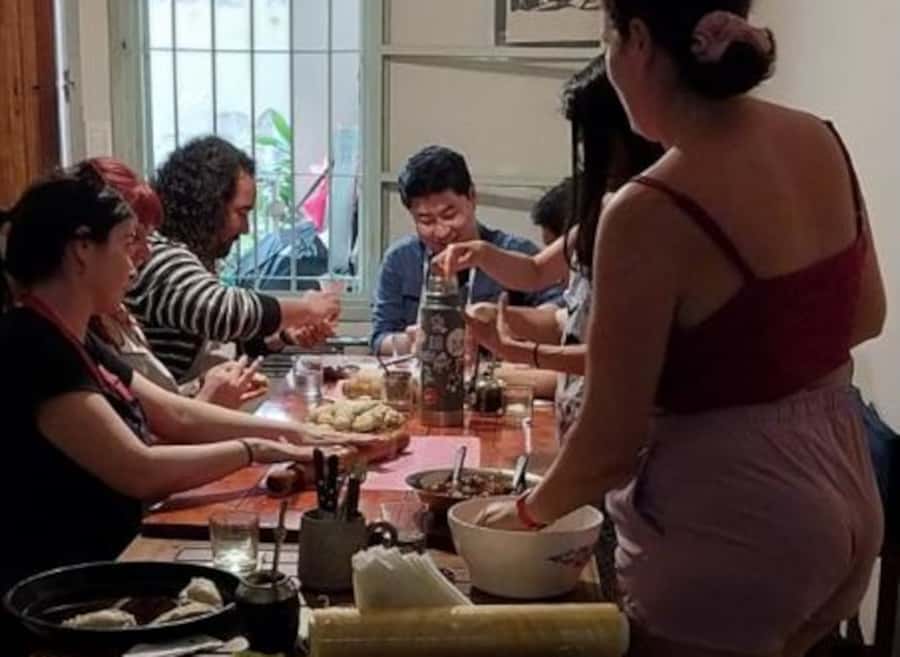
This Buenos Aires experience is interesting because you learn to make empanadas with that classic sealed edge, then turn to alfajores and finish with the traditional mate ritual in a real household setting. It’s small, hands-on, and very much about doing the work, not just watching.
What I like most is how practical the teaching feels while you’re working dough in your hands. You get step-by-step help with the pastry and fillings, including the signature “twist” or seal called the repulgue, which is where a lot of beginners stumble. The second big win is the social side, the table talk, and the way the host family keeps the evening moving while you cook and eat together.
One drawback to consider: the empanada fillings can be limited to a small menu, so if you’re hoping for multiple totally different fillings in one class, you might find the same one repeats rather than offering a bigger tasting lineup.
Key moments inside the kitchen
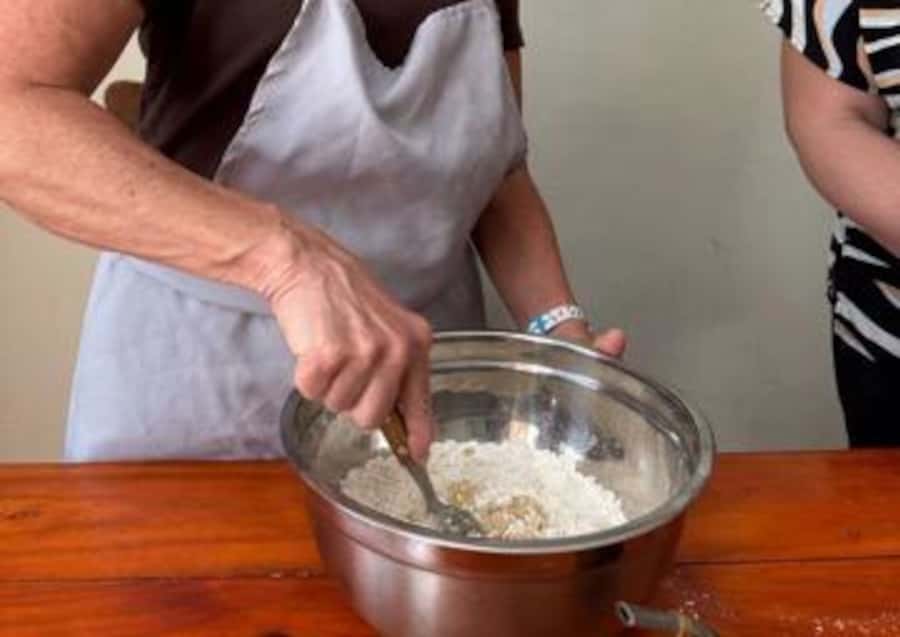
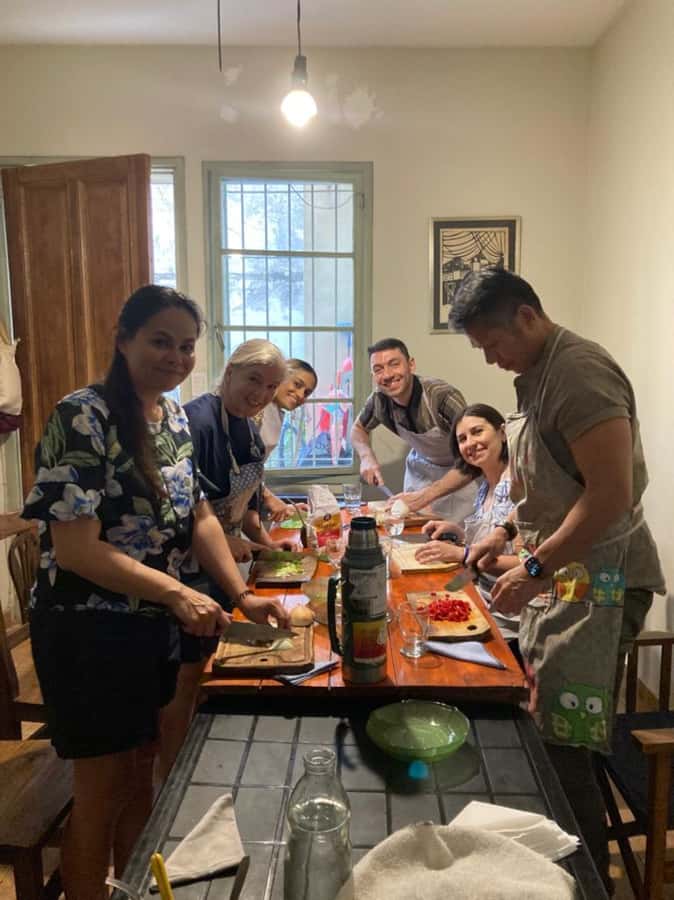
- San Telmo home setting: you cook in a real domestic space, not a demo kitchen
- Hands-on empanadas: dough, filling, and sealing technique all happen at your station
- Mate the traditional way: you learn how to prepare and drink it Argentine-style
- Alfajores from scratch: corn starch dough cookies plus a creamy dulce de leche filling
- Small group format: up to 8 participants makes it easier to get help when you need it
Other kitchens worth an afternoon in Buenos Aires
- Buenos Aires: Empanadas and Alfajores Guided Cooking Class★ 4.8 · 486 reviews
- Buenos Aires: Empanada & Alfajor Cooking Lesson in Palermo★ 4.6 · 186 reviews
- Buenos Aires Food Tour: Local Dishes, Steak, Empanada & More★ 5.0 · 118 reviews
- BA: Empanadas and Alfajores Cooking Experience in Palermo★ 5.0 · 112 reviews
Showing up in San Telmo, then getting comfortable fast
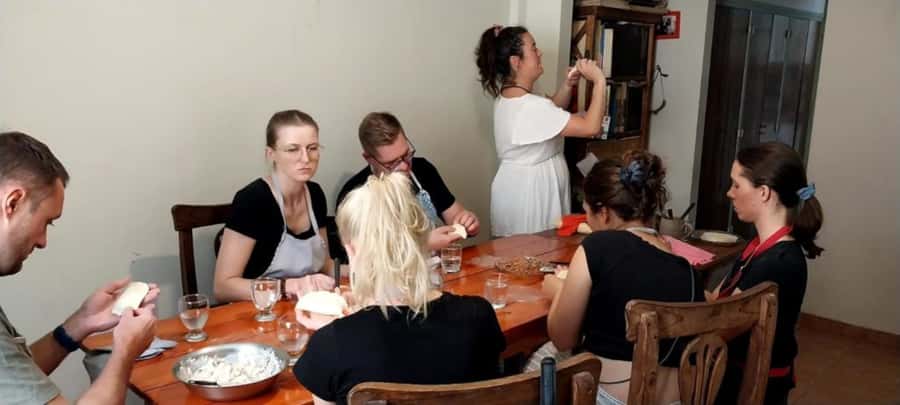
You meet in San Telmo at Paseo Colón 1355. When you arrive, ring the bell at the starting time, and expect a quick welcome before you’re in the kitchen. This matters more than it sounds. In a cooking class like this, the “where do I go” stress eats into the fun. Doing it right from the start helps the evening feel relaxed.
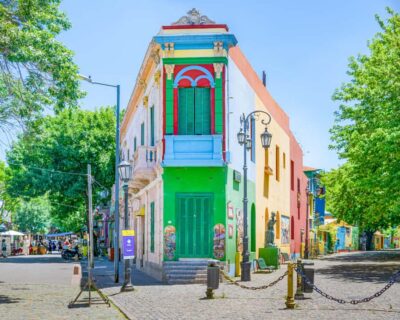
San Telmo is a good match for this kind of experience. It’s the part of Buenos Aires where you’ll see old brick, street life, and lots of reminders that the city runs on neighborhoods, not just sights. A home-based class also means you’re not trapped in a tight viewing area. You’re working close to the people who are teaching you, and that changes the whole vibe.
The group size is limited to 8 participants, which is ideal for questions and hands-on corrections. I also like that the class runs 3 hours. That’s long enough to make real progress with pastry, but not so long that you start to feel cooked yourself.
Empanadas: dough, fillings, and the work of making it yours
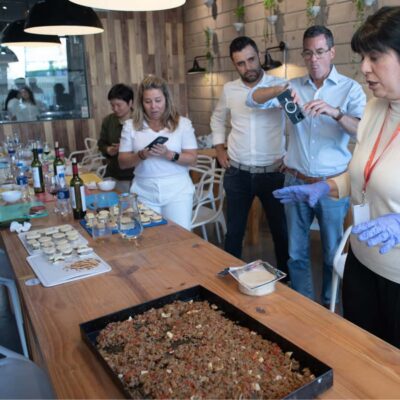
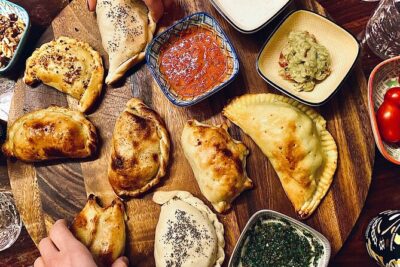
Empanadas are Argentina’s go-to comfort food. They’re stuffed dough you can bake or fry, then eat hot, usually with your hands. In this class, you learn the process, not just the recipe list: making dough, assembling fillings, and shaping each one so it seals properly.
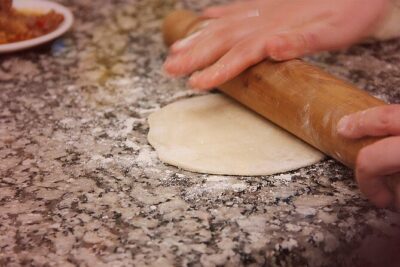
Here’s what makes this part valuable for you. Empanadas are deceptively simple. The dough can turn dry, the filling can leak, and the edges can split if you don’t pay attention to details. A guided class helps you understand what to look for as you work. For example, you’ll get instruction on how to combine dough elements and how to portion filling so you don’t end up with overflowing empanadas that don’t seal well.
Fillings are part of the learning too. You’ll cover a variety of savory options, including classic meat styles and vegetable alternatives. The class description also points to the broader empanada world, like combinations such as ham and cheese alongside meat and vegetable fillings. Even if your specific batch is focused, you’ll leave with a clearer sense of what “works” inside the dough, how flavors behave after cooking, and how to aim for a filling texture that behaves instead of oozes.
The real skill: shaping empanadas that cook evenly
This is where you’ll feel the difference between a pastry hobby and a good technique lesson. You’re not just rolling dough. You’re portioning, filling, and closing. That means you’ll get direct coaching on how much filling to use, how to handle the dough so it’s flexible, and how to keep the edge sealed.
Also, the class is built to end with you eating what you made. That’s a big deal. It turns the cooking session into dinner, which keeps your energy up while you’re learning the bits that take practice, like pressing and sealing.
Other guided days in Buenos Aires
Mastering the repulgue seal so nothing leaks
If you’ve ever bitten into an empanada and watched the filling escape to the plate, you know why this matters. The repulgue is the traditional crimped seal that locks the empanada closed and gives it that recognizable look.
In the class, you’ll get step-by-step guidance for sealing. You’ll practice until your edge looks consistent. This is not “perfect or nothing,” either. In a small-group kitchen, you can learn by doing. And because you’ll cook several empanadas over the session, you’ll improve in real time instead of only learning once.
There’s also a subtle benefit here for you as a traveler who cooks back home later. A sealed empanada is less stressful. It means you can bake or fry without worrying as much about leaks, and it helps you replicate the texture you’re tasting in class. If you want a skill you can actually carry forward, the repulgue is the one.
Mate preparation at the table: the Argentina tea ritual
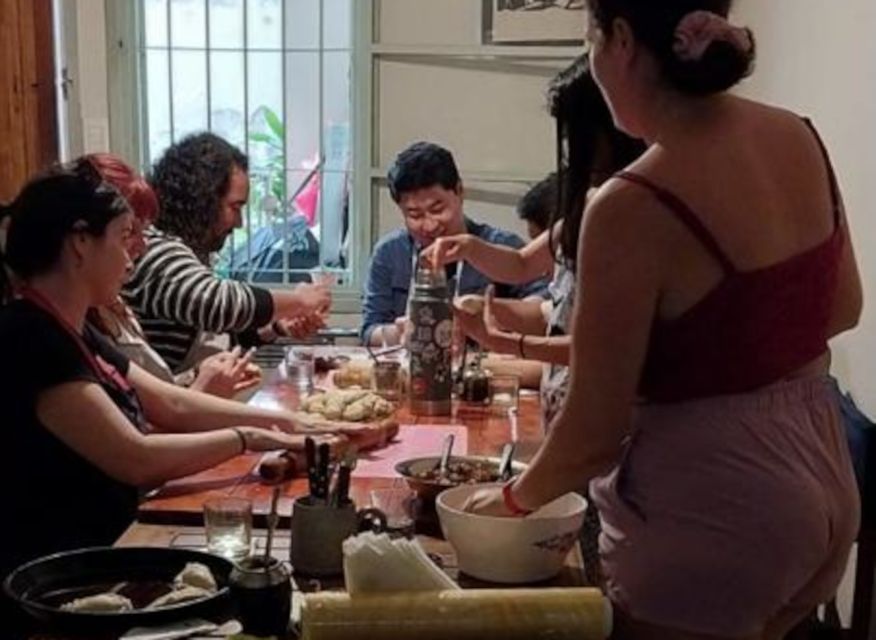
Before you get too deep into dessert mode, you’ll learn about mate, Argentina’s famous herbal tea. The class includes mate and teaches you the traditional method of preparing it, plus how to drink it Argentine-style.
This part feels special because it’s not just about a beverage. Mate is social. It’s shared, passed around, and tied to everyday conversation. In a small home setting, that makes the ritual easy to understand. You watch how it’s handled, then you learn how to prepare it correctly so it tastes the way it should.
Also, mate is part of why the evening doesn’t feel like a factory. It creates a rhythm. You cook, sip, talk, cook some more. It’s also a gentle way to learn about local habits while you’re already there.
Alfajores: corn starch cookies and dulce de leche chemistry
Then it’s dessert. Alfajores are a beloved Argentine pastry, and this class focuses on making them with corn starch and a creamy center of dulce de leche.
The corn starch part is important. It helps create the tender, melt-in-your-mouth cookie texture that makes alfajores different from ordinary sandwich cookies. You’re not just mixing and hoping. You’ll get guided steps to form the cookies and manage the dough so it bakes into those soft, delicate rounds.
After the cookies, you build the filling. Dulce de leche is the star, and when it’s done right, the flavor is rich but not heavy. It’s also the kind of sweetness that pairs perfectly with mate. So your dessert isn’t floating on its own. It feels like it belongs to the meal.
By the end, you’ll eat the results right away. That’s the best part of learning pastry in a group setting. You get instant feedback, and you’re not left wondering how it will taste after you freeze it and forget about it for three days.
What you’ll eat and how the “meal” fits in
The class includes meal plus ingredients, mate, and water. That means you’re not just sampling a bite or two after a long cooking session. You’re meant to enjoy the food you prepare and stay for the full eating portion.
This is a practical reason to pick this over a quick demo. Cooking classes can fail in two ways: they’re either too short to matter, or they turn into an eating-only show where you never really learn. Here, the time and structure are clearly designed so you actually participate, then enjoy what you made.
Also, you’re taught while cooking. Conversation is part of it, and that’s one of the most repeated positives from people who’ve done the class. It’s hard to describe in words, but when hosts keep a warm flow, the whole kitchen feels like a dinner party with a cooking lesson attached.
Cost and value: what $37 buys you in Buenos Aires
At $37 per person for a 3-hour guided class, this is strong value because several things are included: the cooking class itself, ingredients, mate, water, and a full meal. That’s not a tiny add-on list. In a city where eating out can add up, you’re essentially paying for a full evening experience where the food is part of the price.
I also think you’re paying for access. Not access to a famous landmark, but access to how people cook at home, including traditional details like mate preparation and the repulgue sealing technique. Those are skills you can’t easily get from a restaurant meal alone.
Wine is available for purchase, but it’s not included. That’s fair. You’re here for the cooking and the Argentine table ritual, not a bar bill. If you want wine, you can add it, otherwise you’re fine with mate and water.
Who should book this empanada and alfajores class
This is a great choice if you want a hands-on Buenos Aires evening and you care about learning actual technique. It also suits couples, solo travelers, and small groups because the format supports interaction without being chaotic.
It’s especially appealing if you like learning through touch and repetition. You’ll shape, fill, seal, and build dessert, then eat. That kind of learning sticks.
If you’re traveling with kids or you’re a beginner, you’ll likely appreciate that the class moves step by step. There are mentions of classes working well across different ages and skill levels, which is what you want from a home kitchen lesson.
The one mismatch I’d watch for is filling variety. If you’re the type who wants a wide range of empanada flavors in one session, you may feel a little limited if your batch focuses on the same main filling style.
Quick tips for getting the most from your class
- Arrive on time so you can settle in before the hands-on work starts.
- Pay attention to sealing details early, because it affects everything later when you cook.
- Don’t rush the dough. If it feels wrong, stop and ask, then adjust with the instructor.
- Plan to eat well. You’ll get a meal, so keep dinner plans light afterward.
Should you book it?
If you want a genuinely local Buenos Aires evening where you cook, learn, and eat what you make, I’d say yes. The small group size, the focus on technique like the repulgue, and the pairing of savory empanadas with dulce de leche alfajores makes this a complete experience for the price.
Book it if you’re after hands-on skills, a home-like setting, and a social dinner with mate at the table. Skip it if empanada variety is your top priority and you expect many different fillings in one class.
If you’re open to learning a classic method and enjoying the results, this is the kind of cooking class you’ll remember long after you’ve left Argentina.
FAQ
How much does the Buenos Aires empanadas and alfajores guided cooking class cost?
It costs $37 per person.
How long is the cooking class?
The class lasts 3 hours.
Where is the meeting point in Buenos Aires?
Meet at Paseo Colon 1355 in San Telmo. Please ring the bell at the starting time.
What is included in the price?
The price includes the cooking class, ingredients, mate, water, and a meal.
Is wine included?
No. Wine is available for purchase, but it is not included.
What languages are used during the class?
The instructor teaches in Portuguese and English.
Is the class wheelchair accessible?
Yes, it is wheelchair accessible.
What are the cancellation and payment options?
You can cancel up to 24 hours in advance for a full refund. You can also reserve now and pay later, meaning you pay nothing today.
Tour Reviews Around Buenos Aires



More Kitchens Worth an Afternoon
Just added in Buenos Aires
- Buenos Aires Tango Show and Dinner in El Querandi
★ 4.6 · 10 reviews - Buenos Aires: Classic Private City Tour
★ 4.7 · 11 reviews - Buenos Aires: Intimate Tango Experience
★ 5.0 · 11 reviews - Walking Tour: Buenos Aires bookstores
★ 4.3 · 12 reviews - 5hs Small Group City Tour of Buenos Aires with Street Food
★ 4.2 · 12 reviews
Buenos Aires Cooking Workshops, compared.
 ★ 4.6Empanada & Alfajor Cooking Lesson in PalermoFrom $49186 reviews
 ★ 5.0Buenos Aires Food Tour: Local Dishes, Steak, Empanada & MoreFrom $93118 reviews
 ★ 5.0BA: Empanadas and Alfajores Cooking Experience in PalermoFrom $49112 reviews
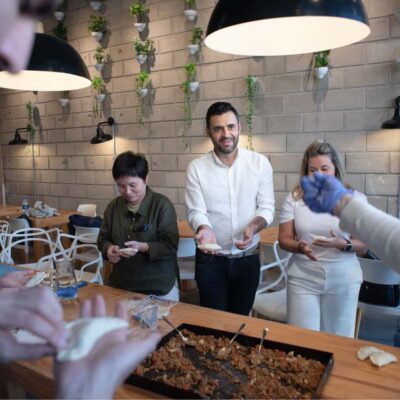 ★ 4.8Argentinian Empanadas Cooking Experience in Palermo, Bs AsFrom $4650 reviews
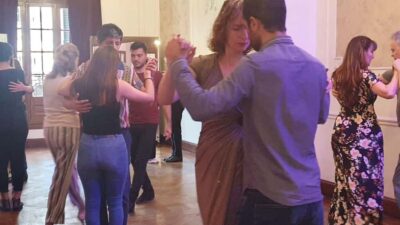 ★ 4.4Group tango class with mate and snacksFrom $2544 reviews
 ★ 5.0Private Argentine Cooking Class and Tango Lesson in Buenos AiresFrom $18237 reviews
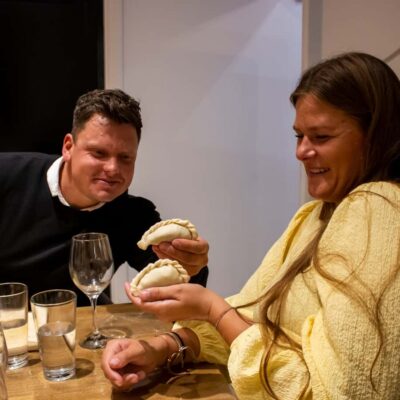 ★ 4.9Premium Empanadas Cooking Class & Wine Tasting ExperienceFrom $4935 reviews
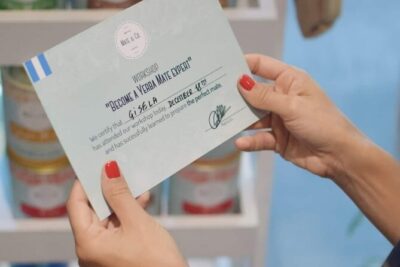 ★ 5.0Small Group Tasting to Become a Mate Expert in Buenos AiresFrom $2935 reviews
Where this tour also appears