
REVIEW · PALERMO GRAFFITI AND MURAL WALKS
Buenos Aires: Empanada & Alfajor Cooking Lesson in Palermo
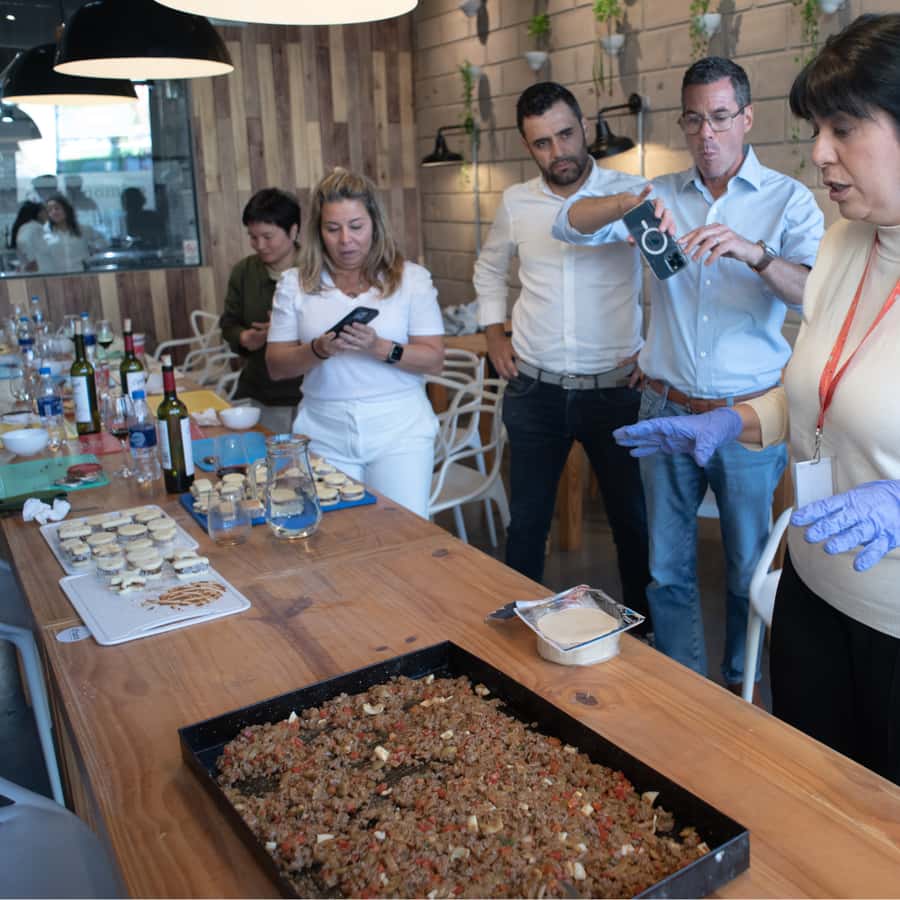
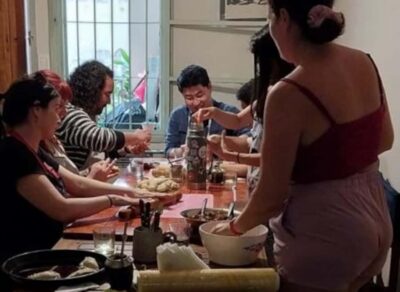
Empanadas taste better when you fold them yourself. In Palermo, this Buenos Aires cooking class is a fun, structured way to learn empanadas and alfajores while chatting with a native host and sipping mate tea.
I like that it is truly hands on, not just watching someone else work. And you leave knowing how to make both savory empanadas and sweet dulce de leche alfajores from scratch, with meat or vegan options depending on your choice.
One drawback to plan for: there is a lot going on in 150 minutes, so if you prefer a slow, seated experience, this may feel a bit fast-paced.
Key takeaways before you go
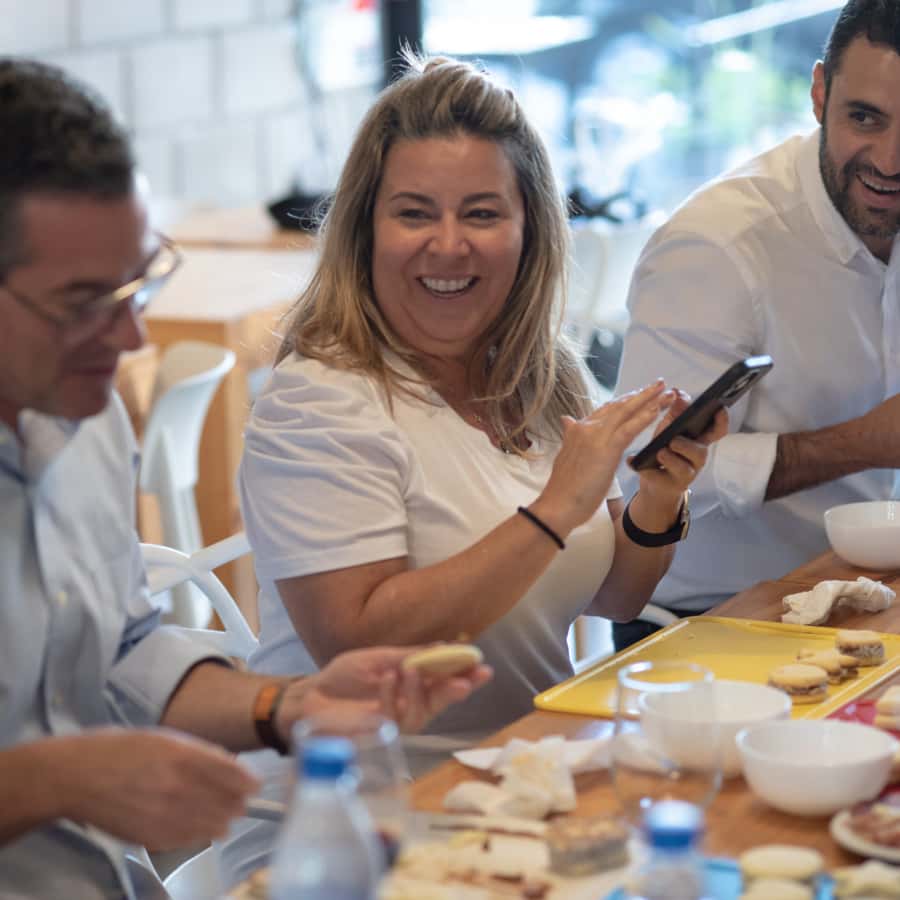
- Make two Argentina classics: empanadas and dulce de leche alfajores
- Mate tea included with cultural talk while you cook
- Hands on, step by step cooking with guidance for key techniques like folding
- Meat or vegan empanada options so you can match your diet
- A small group vibe that keeps you involved, not stuck watching
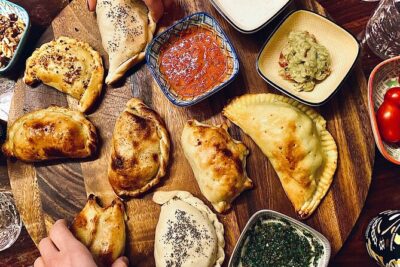
- You eat what you make, which makes the whole session feel rewarding
Deeper into the Palermo murals
- Palermo: Graffiti and Street Art Guided Tour in English★ 4.8 · 684 reviews
- BA: Empanadas and Alfajores Cooking Experience in Palermo★ 5.0 · 112 reviews
- Buenos Aires Bike Tour: North Districts, Recoleta and Palermo★ 4.5 · 91 reviews
- Private Off the Beaten Path: Hidden Urban Art Bike Tour★ 5.0 · 62 reviews
Arriving in Palermo at the Gorriti meeting point
This class meets in Palermo, at Gorriti in the CABA area. The listing gives Gorriti 4882, and the “know before you go” note points to Gorriti 4886, so I suggest you confirm the exact number with the operator when you book.
Palermo is a smart neighborhood base for a cooking lesson because it feels local but not chaotic. Once you find the address, you are in “food workshop mode” fast, and you do not have to coordinate taxis or wait for a pickup that is not included.
Also note: the experience runs rain or shine, so you can keep it on your itinerary without playing weather roulette.
What you will cook: empanadas and dulce de leche alfajores
You are making the two big hitters that show up in Argentina’s everyday food culture. Empanadas are a handheld comfort food, built on a dough that you shape carefully and a filling that makes the whole thing taste like Argentina. Alfajores are the sweet counterpart: soft cookie halves filled with creamy dulce de leche.
The best part is that you are not just learning what they taste like. You learn how ingredients behave. Dough texture matters. Filling thickness matters. Sealing matters. That is what turns this from a fun activity into something you can actually repeat later at home.
The hands on flow: empanada dough, filling, folding, and baking
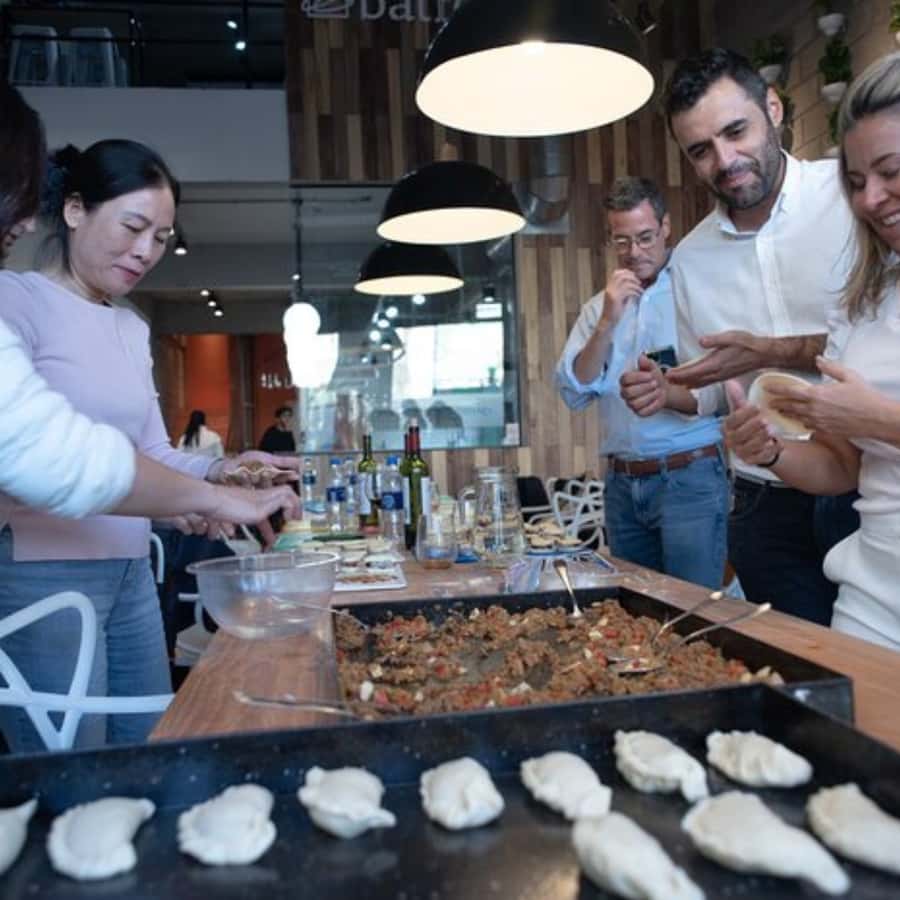
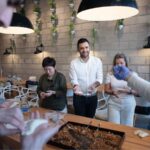
The session starts with your host showing you how empanadas are made, then you take over. Expect real instruction on the process, not vague “mix until it looks right” stuff. Past class notes mention instructors like Carolina and Tomas guiding people through the steps with patience, especially around the tricky part: folding.
Here is the typical rhythm you should plan for:
- You prep and assemble your empanadas with an instructor guiding the dough and filling.
- You choose a filling path, either meat or vegan, so the experience works even if you do not eat meat.
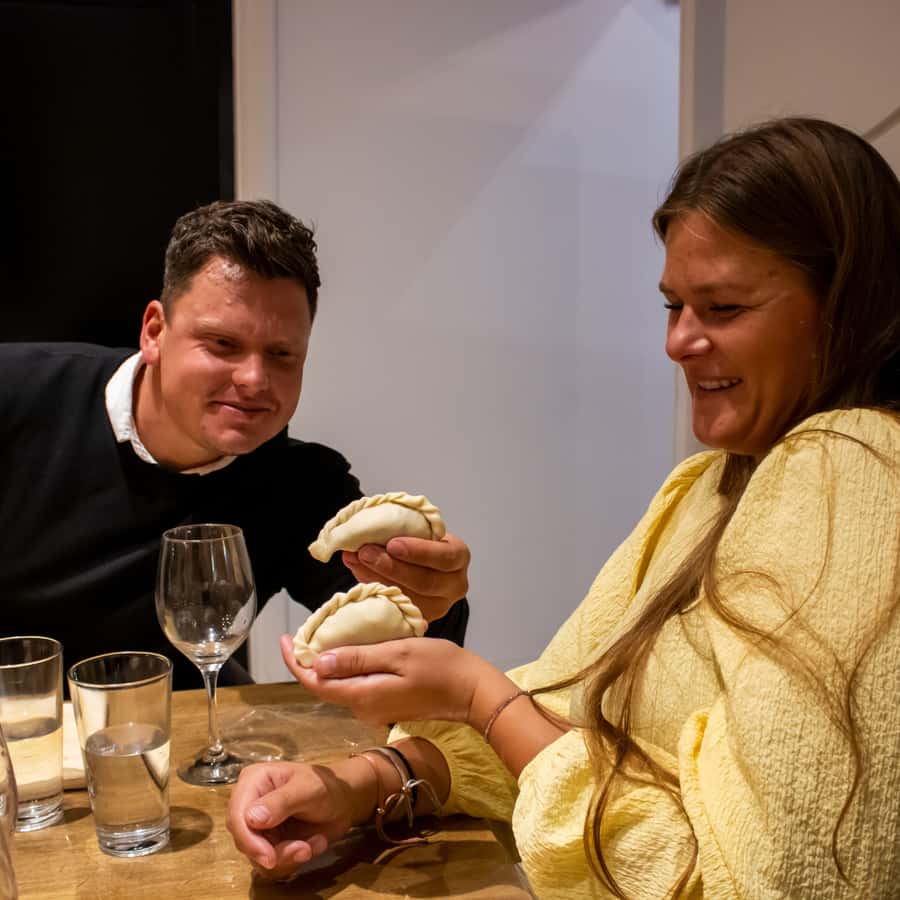
- You fold the empanadas (this is where technique shows), then move them toward the cooking stage.
Why this matters: folding is part art, part engineering. A good seal keeps filling from leaking, and a consistent fold helps them cook evenly. One review highlights a comparison between prepackaged empanada dough and freshly made dough, which is a useful reminder that store shortcuts can change texture and results.
You will also get the chance to talk food as you work. Empanadas are popular partly because they are practical, portable, and forgiving. When you make them yourself, you start to understand why the fillings vary by region and family tradition.
Other kitchens worth an afternoon in Buenos Aires
Alfajores assembly: mixing, baking, and sealing dulce de leche
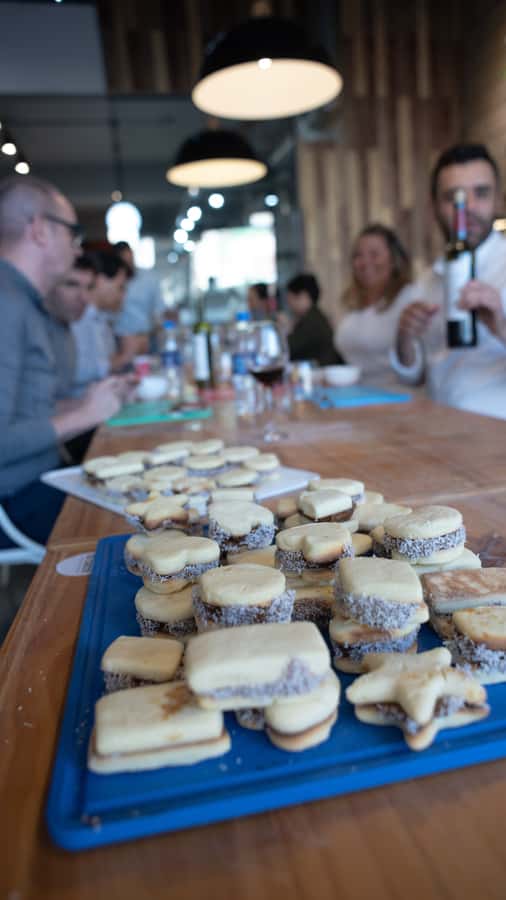
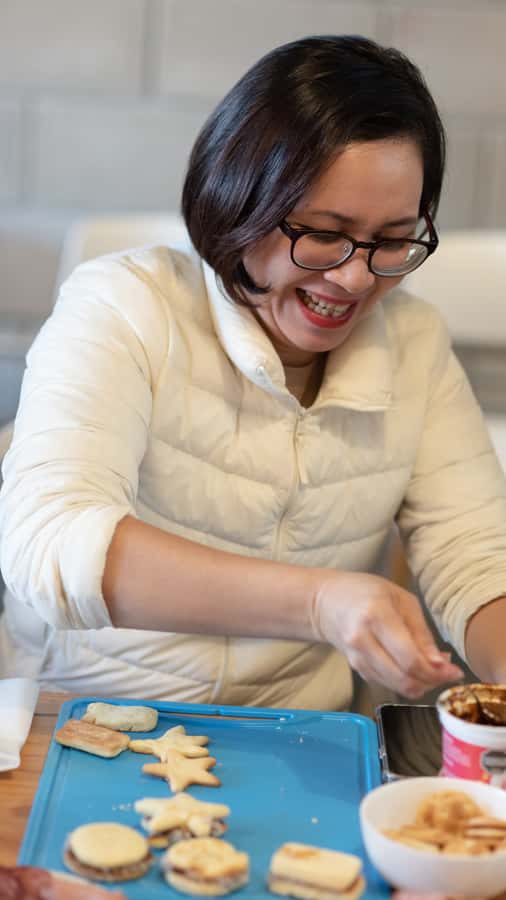
After empanadas, you shift gears into dessert mode with alfajores. These are cookies assembled around a creamy center, where the filling is the star: dulce de leche.
You will mix and bake the cookie parts, then assemble them by filling and sandwiching. This is hands on work too, so you get that satisfying moment where your hands create something that looks like the classic alfajor shapes you see in shops.
What you are really learning here is how to handle sweet dough and assembly without turning it into a mess. Alfajores can be delicate, so having an instructor nearby helps you avoid common mistakes like overbaking the cookie rounds or using too much filling.
One past note (from someone who did alfajores at home later) captures the reason I think this is such a good use of travel time: you leave with a repeatable recipe method, not just a memory of dessert.
Mate tea and Argentine food culture while you cook
Mate tea is included, and it is more than a drink on the side. It adds a social rhythm to the class. In Argentina, mate is a habit tied to conversation, and during the lesson it becomes a way to slow the pace just enough to learn while you work.
You also get cultural insights throughout the session. The structure keeps it practical. You hear why certain ingredients are used, how empanadas and alfajores fit into daily life, and how locals talk about food beyond the taste.
If you enjoy food as a window into the culture, this part is the glue. The cooking teaches technique. The mate tea and conversation help you understand why those techniques matter to people here.
Guide style that makes folding and assembly feel doable
This is one of those activities where the host can make or break your experience. The good news is that the class has a strong track record for patient, step by step teaching.
I saw repeat mentions of instructors such as:
- Carolina, praised for clear steps and a fun vibe
- Tomas, described as detailed and patient, especially with instructions for both empanadas and alfajores
- Catalina, noted for enthusiasm and making the session feel welcoming
- Paulina, highlighted for sharing culture and cooking skills in a home-style setting
You will feel the difference in how they handle technique. People talk about learning the folding process, not just stuffing. They also mention getting enough guidance to make the final product look right, not just taste good.
One small consideration: a couple notes suggest that certain segments could be more hands on for every minute. That is not unusual in cooking classes, where someone may demo a step quickly. If you want maximum participation at every moment, go in with energy and ask questions as soon as something is unclear.
Meat or vegan options, and why the lesson still feels authentic
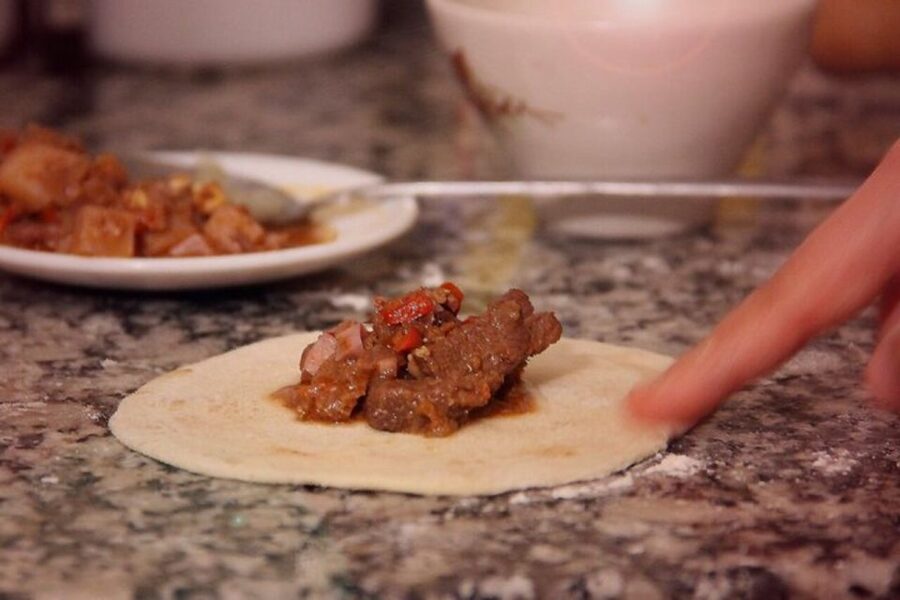
It is not always easy to find cooking classes that respect dietary needs without turning the meal into a separate, second-rate experience. Here, meat and vegan options are available for empanadas.
What I like about this setup is that it still keeps you in the core Argentine cooking process. The method stays the same, the filling path changes. That means you still learn how to fold, seal, and cook correctly, then you can adapt fillings based on your own preferences.
If you eat vegan, this class is particularly valuable because it teaches you how to build flavor inside the empanada format instead of relying on guesswork. If you eat meat, you still get the full technique focused on the dough and assembly, where most of the learning happens.
Price and value for $49 in Buenos Aires
At $49 per person for a 150 minute session, this is the kind of activity that feels like value when you look at what you actually get. You are not paying for a single tasting. You are paying for ingredients, instruction, and time in the kitchen making two distinct dishes.
What is included:
- Empanada ingredients
- Alfajores ingredients
- A local instructor
- Mate tea
What is not included:
- Hotel pickup and drop-off
So you should plan to get yourself to the meeting point in Palermo. That is the tradeoff, and it is a common one in cooking experiences. If your hotel is far away, add a little extra travel time. If you are already exploring Palermo, this price starts to look even better because logistics are simpler.
Also think about the “future value.” The class is designed so you can repeat it later. That is worth more than another meal you just eat and forget.
One more note on food and atmosphere: several class notes mention extras like wine. The only drink you can count on from the included details is mate tea, so if alcohol matters to you, ask ahead so expectations match your preferences.
Who should book this Buenos Aires cooking lesson
This is ideal if you want a more hands on side of Buenos Aires. You get practical technique, you get to eat what you make, and you get cultural conversation without needing to be a foodie expert.
It also fits families. Reviews include ages ranging from kids to adults, and the activity format keeps people involved. Even if you are cooking with kids, the step-by-step guidance makes it easier to keep everyone focused.
Best match for you if:
- You like learning by doing
- You want a fun activity that doubles as a meal
- You are into Argentina basics: empanadas and alfajores
- You want recipes you can use after the trip
You might skip it if:
- You dislike interactive cooking experiences
- You want a mostly passive, seated activity
- You are short on time, since the full session takes 150 minutes
FAQ
Where is the meeting point for the class?
Meet at Gorriti 4886 in Palermo, Buenos Aires.
How long is the cooking lesson?
The class lasts 150 minutes.
What dishes will we make?
You will cook Argentinian empanadas and make dulce de leche alfajores.
Are there vegan options?
Yes. Meat or vegan options are available for the empanadas.
Is mate tea included?
Yes, mate tea is included.
Is hotel pickup and drop-off included?
No. Hotel pickup and drop-off are not included.
What languages is the guide available in?
The live guide speaks English, Spanish, and Portuguese.
Does the class run if it rains?
Yes. The experience takes place even if it rains or shines.
Should you book this Palermo cooking lesson?
I would book it if you want a low-stress, high-reward food activity in Buenos Aires. For $49, you get two iconic dishes, mate tea, and real instruction that helps you reproduce the results later. The hands on focus, plus the option for vegan empanadas, makes it a solid choice for couples, friends, and families.
If you hate busy kitchens or prefer watching over doing, look for something more passive. Otherwise, show up ready to fold dough, assemble alfajores, and leave with a new set of Argentine comfort-food skills.
More Kitchens Worth an Afternoon
Palermo by the Wall

Just added in Buenos Aires
- Buenos Aires Tango Show and Dinner in El Querandi
★ 4.6 · 10 reviews - Buenos Aires: Classic Private City Tour
★ 4.7 · 11 reviews - Buenos Aires: Intimate Tango Experience
★ 5.0 · 11 reviews - Walking Tour: Buenos Aires bookstores
★ 4.3 · 12 reviews - 5hs Small Group City Tour of Buenos Aires with Street Food
★ 4.2 · 12 reviews
Palermo Graffiti and Mural Walks, compared.
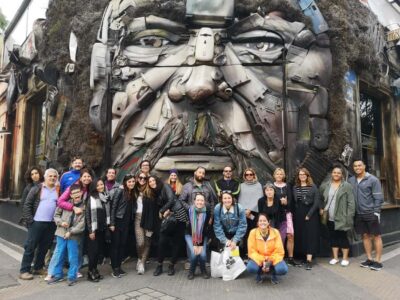 ★ 4.8Palermo: Graffiti and Street Art Guided Tour in EnglishFrom $13684 reviews
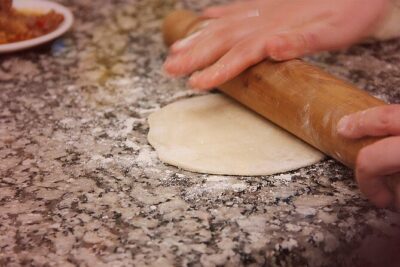 ★ 5.0BA: Empanadas and Alfajores Cooking Experience in PalermoFrom $49112 reviews
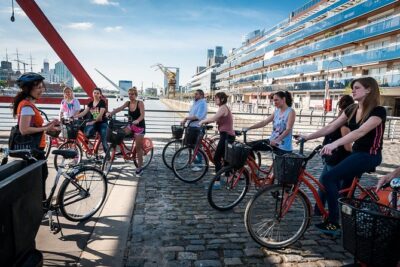 ★ 4.5Buenos Aires Bike Tour: North Districts, Recoleta and PalermoFrom $4591 reviews
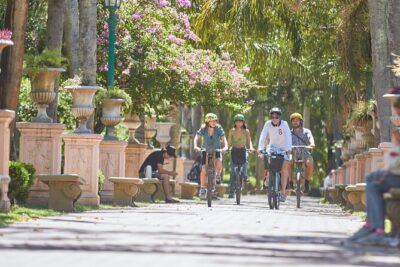 ★ 5.0Private Off the Beaten Path: Hidden Urban Art Bike TourFrom $11562 reviews
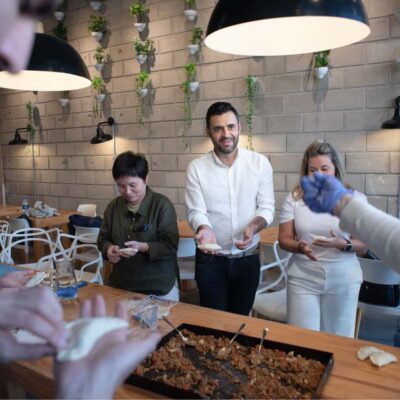 ★ 4.8Argentinian Empanadas Cooking Experience in Palermo, Bs AsFrom $4650 reviews
 ★ 5.0Cultural Experience by Bike around Palermo and Recoleta Max 6 pplFrom $5444 reviews
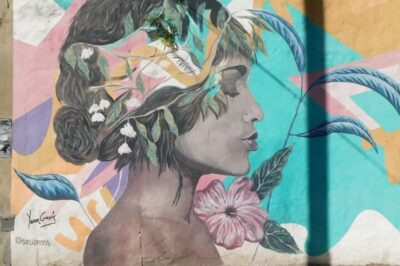 ★ 4.0Premium Argentinian Wine and Malbec Tasting & Urban Art TourFrom $6516 reviews
Where this tour also appears