
REVIEW · BUENOS AIRES COOKING WORKSHOPS
Small Group Tasting to Become a Mate Expert in Buenos Aires
Mate fans, this is your quick starter course. In about 90 minutes, you get a small-group yerba mate drink-making workshop with real hands-on technique, plus a tasting of multiple blends paired with typical Argentine sweets. I like that you’re not stuck listening the whole time, and you leave with the basics you can actually repeat at home. One thing to keep in mind: it’s a short class, so you’ll finish feeling confident, not fully mastered.
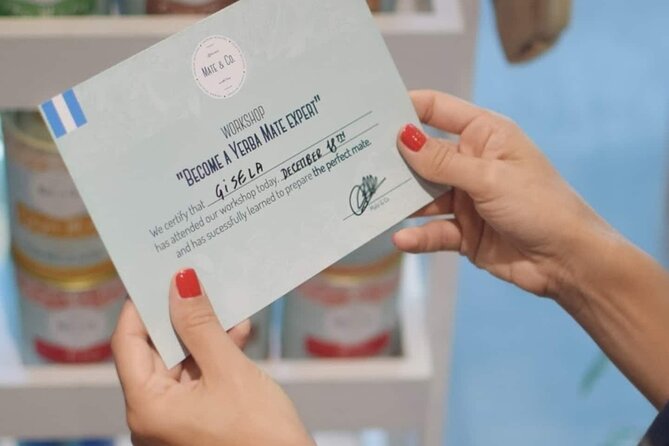
You’ll cover the full mate story, from the plant and origins to how to build the right cup. The vibe is casual and homelike, and the host who guides you, Tomás (often referred to as Tomi), keeps things friendly while answering lots of questions. I also like that you get a diploma at the end, which makes the experience feel official, even though it never feels stiff.
You’ll meet at Tte. Benjamín Matienzo 1559 and the activity ends back there, which keeps logistics simple in a city where directions can get chaotic fast. The group maximum is 14 people, so it’s small enough for questions without becoming a one-person lecture. If you’re hoping for a long tasting marathon, you might want a longer food and drink tour that runs beyond 1 hour 30 minutes.
Key highlights to notice before you go
- 90-minute, practical format that teaches you how to brew mate, not just what it is
- Small group size (up to 14), which makes it easier to get personal help with your technique
- Mate origins plus production basics so the drink makes cultural sense, not just flavor sense
- Hands-on curing and accessories info for cups, straws, and the stuff you need to enjoy it properly
- Tasting all their blends with Argentine sweets, so you can compare flavors right away
- A participation diploma plus shop discounts to help you take the habit home
Other kitchens worth an afternoon in Buenos Aires
- Buenos Aires: Empanadas and Alfajores Guided Cooking Class★ 4.8 · 486 reviews
- Buenos Aires: Empanada & Alfajor Cooking Lesson in Palermo★ 4.6 · 186 reviews
- Buenos Aires Food Tour: Local Dishes, Steak, Empanada & More★ 5.0 · 118 reviews
- BA: Empanadas and Alfajores Cooking Experience in Palermo★ 5.0 · 112 reviews
Why this Buenos Aires mate class feels like a local skill lesson
Mate in Argentina is not just a beverage. It is a social rhythm, a way of sharing time, and a daily habit that comes with rules. This workshop makes that real by moving quickly from origin and meaning into the practical question you actually care about, how do you prepare a great cup.
What I like most is the balance. You get context, then you get your hands on the process. You also taste different yerbas right alongside the ritual learning, so the flavors help you remember the technique.
The tone matters too. The host, Tomás (Tomi), is repeatedly described as funny, patient, and good at storytelling. That matters in a class like this, because mate technique includes small details you will only pick up if you feel comfortable asking questions.
Finding Tte. Benjamín Matienzo 1559 and settling into a small group
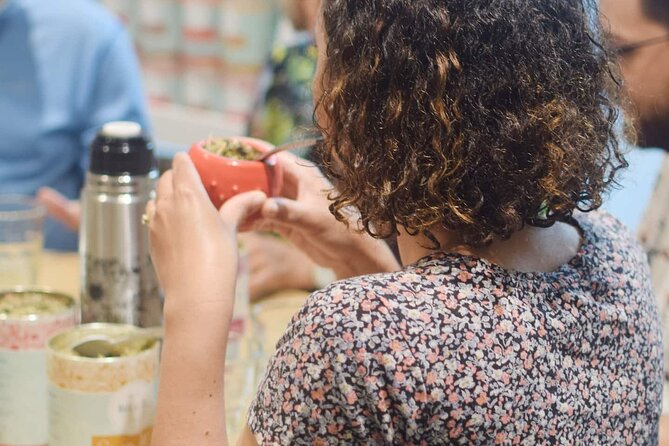
You meet at Tte. Benjamín Matienzo 1559, Buenos Aires. Then you’re brought back to the same spot when it ends, so you do not have to plan a second leg afterward. The location is noted as being near public transportation, which helps if you are bouncing between neighborhoods.
The group limit is 14 travelers, and that small size changes the whole experience. You are more likely to get help when your preparation needs tweaking, especially if you are new. You also get more of the social side of mate learning because the group stays interactive.
If you are traveling with family or friends and you want everyone to participate, this setup works well. Even solo travelers tend to leave feeling like they gained a skill, not just ate a snack and took photos.
Yerba mate 101: meaning, origin, and production basics you can repeat
The workshop starts with the big picture: what yerba mate means, where it comes from, and how it is produced. You learn about its origins and how the production process shapes what you end up tasting. That may sound academic, but it actually helps you understand why some yerbas feel more intense, more herbal, or smoother.
You also cover the properties of yerba mate and how it is consumed. Argentina has its own consumption patterns, and you get perspective on how mate fits into wider use around the world. That global comparison helps you avoid the common beginner mistake of thinking there is only one way to drink it.
If you like food and drink education that stays grounded, this is a good match. It is not trying to be a museum lesson. It is building the mental model that you will use while you taste.
More eating and drinking around Buenos Aires
Becoming a mate expert: types of yerbas, accessories, and curing
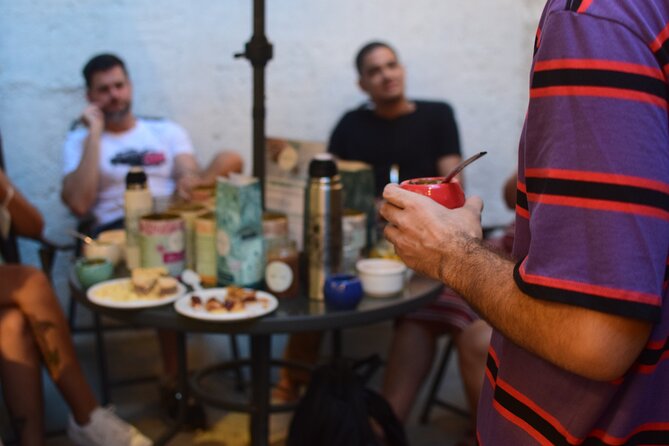
Next comes the part that turns you from a curious drinker into someone who can shop and prepare with confidence. You go through different types of yerba mate you can find in the market, and you learn how they differ.
You also get practical accessory basics. Expect to cover bombillas (straws) and the role they play, plus cup styles and what matters when choosing equipment. You even learn about the curing process, which is key because a cup that is not cured properly can change how your mate tastes and how your ritual feels.
This is where the workshop earns its name. The class does not just say, get a gourd and a straw. It helps you understand why the equipment matters and how to set yourself up for better results.
One subtle but important point: when you understand curing and preparation, mate feels less mysterious. You stop blaming the drink for being inconsistent, and you start treating your cup like a tool you can improve.
The perfect brew lesson: how you learn to cebar
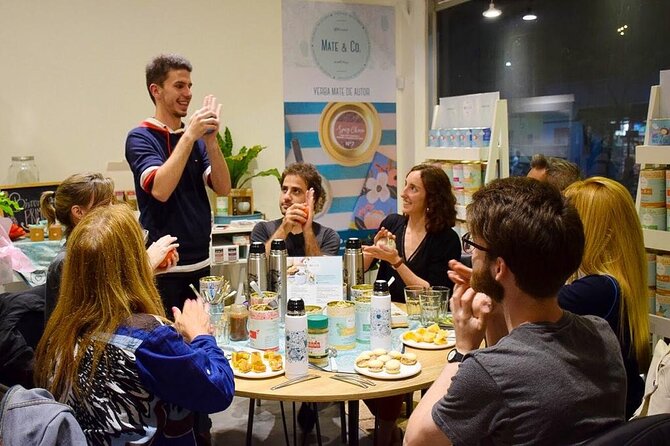
The tasting portion is built around a core skill: learning how to prepare the perfect mate through the ritual of cebar. You get guided instruction on the brewing steps and how to get the cup right. That includes learning the timing and approach that affect taste.
You also taste the blends the shop offers. You end up experiencing how the same ritual can produce different results depending on the yerba type. That combination matters because it turns your learning into something you can remember by taste, not just by lecture.
If you already drink mate casually, you may notice something else here. Technique can make your experience smoother and more consistent. More than one person in feedback emphasized that the class helped them improve their technique even if they already had some experience.
The workshop is short, so you learn the basics and the key decision points, then you practice enough to feel confident. You will not come out with years of practice, but you will come out with a repeatable method.
Tasting all the blends with Argentine sweets
Food and drink lessons get better when you can compare in real time. In this workshop, you sample the shop’s Blends, and you also get typical Argentine sweets alongside your mate. That pairing helps you experience mate in a more complete way.
A few people specifically mentioned tasting multiple varieties and finding favorites quickly. Others called out certain flavor styles, like a chai-style option, as something they liked among the flavored blends. Your exact set of blends can vary by session, but the structure stays the same: you compare and discover.
What you should take away is not just which flavor you enjoy. It is how the flavor interacts with the ritual. You can have the same cup experience feel lighter or stronger depending on how the yerba is blended and how you prepare it.
Also, sweets do more than just taste good. They make the ritual feel approachable if you are new or hesitant. If you have ever thought mate might be too intense, this “sweet plus tasting” structure helps you ease in.
The ritual side: why mate matters in Argentine culture
Mate is social. That is the point, and the workshop makes sure you understand it. You learn the meaning of mate in Argentine culture and how the ritual works as a shared experience.
The key takeaway is that mate is not always a solo beverage. It is often something you pass, share, and talk over, and the ritual has a certain etiquette. Even if you do not plan to host a full mate circle at home tomorrow, learning the social meaning makes it easier to understand what you are seeing in the street.
The host’s storytelling helps here. Tomás (Tomi) is repeatedly noted for being engaging, and the stories keep the cultural explanation from feeling like a list. You end up with context you can use when you see people drinking mate together in Buenos Aires.
Your diploma, shop discounts, and taking mate home
You finish with closure and a practical next step. You receive a diploma certifying your participation in the workshop, and you are also offered discounts in the shop. That combination is smart value-wise because it turns your learning into a purchase you already feel confident about.
If you want to bring mate back to your home country, this matters. You are more likely to pick the right type of yerba and the right equipment when you understand the basics you learned. It is also a nice souvenir that does not just sit in a drawer, since it comes from a skill you can use.
If you are buying gear, focus on matching what you learned in the curing and accessory section. A good straw and properly treated cup can make your first few at-home cups feel much better.
Price and value: $29 for a skill, not just a sip
The price is listed at $29.00 per person for about 1 hour 30 minutes. For Buenos Aires, that is a fair deal because you are paying for instruction, guided brewing practice, multiple tastings, and included sweets, not just the cost of tea.
More importantly, you leave with a usable technique. That is the real value. A single cup lesson can be fun, but learning how to brew is what makes the experience keep paying you back every time you make mate later.
Small group size matters here too. When the class is capped at 14 people, you are more likely to get help with your brew method rather than getting rushed through.
Also, this type of class is often best early in your trip. You can apply what you learn as you explore Argentina’s culture right away, because mate is everywhere once you start looking for it.
Who should book this mate workshop
This is a great fit if you want an authentic Buenos Aires food and drink experience without committing to a half-day tour. It is also ideal if you are new to mate and want a gentle but structured introduction.
Families often like it because the atmosphere stays casual and welcoming. Couples enjoy it because mate works well as a shared activity and conversation topic. Solo travelers tend to benefit from the small group format, since you get interaction without feeling like you are stuck in a group tour crowd.
If you already drink mate on your own, you will still likely get value. Many people appreciate that the class improves their technique and helps them understand the ritual side more clearly.
Should you book this Buenos Aires mate tasting workshop?
Yes, I think you should book it if your goal is to learn how to make mate properly and understand the ritual meaning behind it. The short, hands-on format is perfect for travelers who want something real, not just a tasting with minimal instruction.
Book it sooner rather than later if you are visiting during busy periods. It’s also worth it even if you think you know mate already, because the curing, accessory basics, and brew technique can refine what you do at home.
Skip it only if you want a long, slow course focused mainly on food, or if you are allergic or sensitive to caffeinated drinks and still want a mate experience. Otherwise, this is one of those rare Buenos Aires activities that leaves you with a skill, a tasty takeaway, and a diploma you can show off.
FAQ
How long is the Small Group Tasting to Become a Mate Expert in Buenos Aires?
It lasts about 1 hour 30 minutes.
What is included in the workshop?
You get a mate drink-making workshop, explanations about yerba mate and the mate ritual, tasting of different blends with typical Argentine sweets, and a diploma certifying your participation.
How many people are in the group?
The maximum group size is 14 travelers.
Where does the experience start, and does it end nearby?
It starts at Tte. Benjamín Matienzo 1559, C1426 C1426DAA, Cdad. Autónoma de Buenos Aires, Argentina, and it ends back at the meeting point.
Is Spanish available?
You can check availability in Spanish too.
Can I bring a service animal?
Yes, service animals are allowed.
What is the cancellation policy?
You can cancel for a full refund up to 24 hours in advance. If you cancel less than 24 hours before the start time, the amount paid is not refunded. The cut-off is based on local time.
Tour Reviews Around Buenos Aires


More Kitchens Worth an Afternoon

Just added in Buenos Aires
- Buenos Aires Tango Show and Dinner in El Querandi
★ 4.6 · 10 reviews - Buenos Aires: Classic Private City Tour
★ 4.7 · 11 reviews - Buenos Aires: Intimate Tango Experience
★ 5.0 · 11 reviews - Walking Tour: Buenos Aires bookstores
★ 4.3 · 12 reviews - 5hs Small Group City Tour of Buenos Aires with Street Food
★ 4.2 · 12 reviews
Buenos Aires Cooking Workshops, compared.
 ★ 4.8Empanadas and Alfajores Guided Cooking ClassFrom $37486 reviews
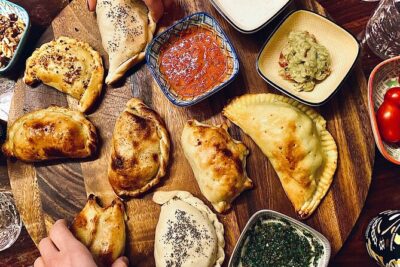
 ★ 4.6Empanada & Alfajor Cooking Lesson in PalermoFrom $49186 reviews
 ★ 5.0Buenos Aires Food Tour: Local Dishes, Steak, Empanada & MoreFrom $93118 reviews
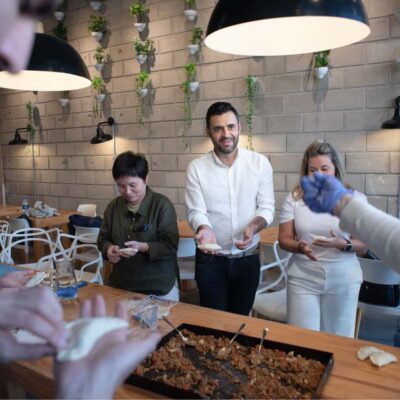
 ★ 5.0BA: Empanadas and Alfajores Cooking Experience in PalermoFrom $49112 reviews
 ★ 4.8Argentinian Empanadas Cooking Experience in Palermo, Bs AsFrom $4650 reviews
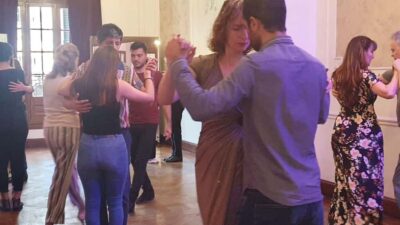 ★ 4.4Group tango class with mate and snacksFrom $2544 reviews
 ★ 5.0Private Argentine Cooking Class and Tango Lesson in Buenos AiresFrom $18237 reviews
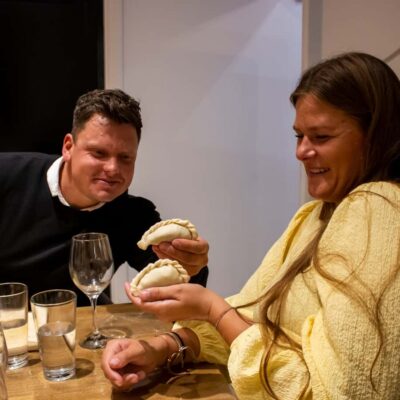 ★ 4.9Premium Empanadas Cooking Class & Wine Tasting ExperienceFrom $4935 reviews
Where this tour also appears