
REVIEW · PORTEñO PALACES AND THEATRES
Buenos Aires: Teatro Colon Guided Tour
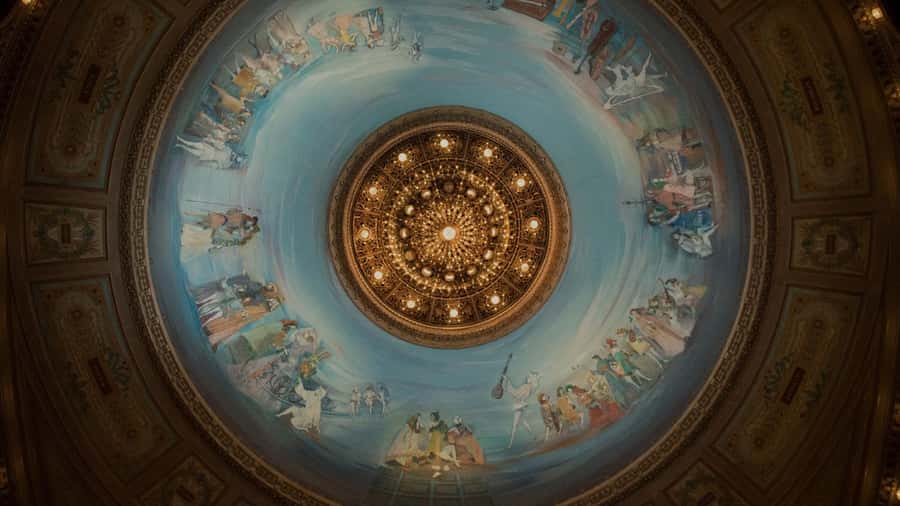
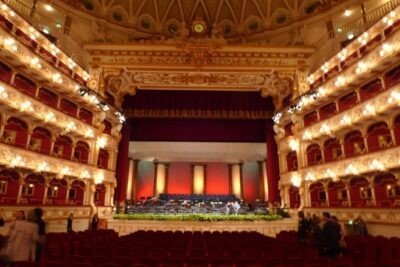
Teatro Colón has a sound you can almost feel. This 1-hour guided tour is a hands-on look at why the opera house ranks among the world’s top acoustics spots, plus you’ll see the horseshoe auditorium up close. I also love the visual punch of the Raul Soldi ceiling frescoes, which turn a building tour into a real art stop.
Your biggest watch-out is simple: the visit can run in a crowded group and parts of the main theater may be dim if there’s a lighting test happening. That can make photos tricky and can also mean you need to stay near the front to hear every detail clearly.
Key things to know before you go
- 700-bulb chandelier moments in the public halls
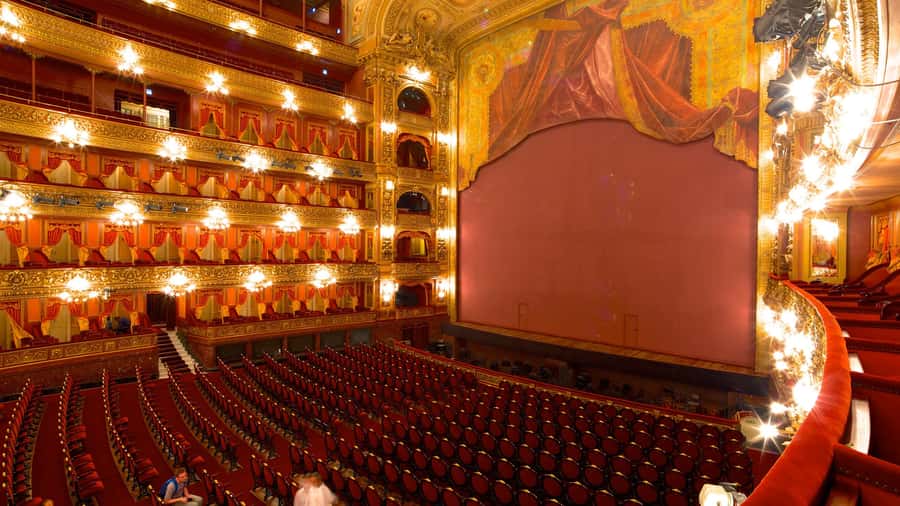
- Horseshoe auditorium layout built for strong sound
- Raul Soldi ceiling frescoes that you can actually study from below
- Tour includes the main theater plus areas behind the scenes when access allows
- Groups can be large, so visibility and hearing depend on where you stand
- You can choose English or Spanish tours, with Portuguese available when you book
Behind a few more velvet ropes in Buenos Aires
- Classic City Tour of Buenos Aires: Neighborhoods and Emblems★ 3.8 · 282 reviews
- Teatro Colon Guided Tour Admission Ticket★ 4.0 · 208 reviews
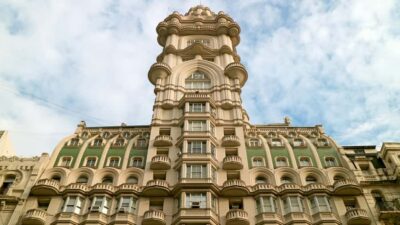
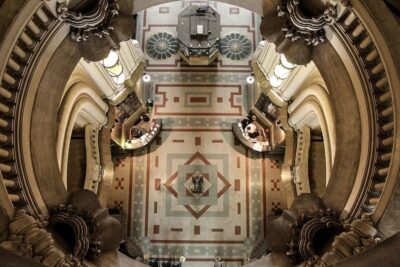
- Buenos Aires: Palacio Barolo Entry Ticket and Guided Tour★ 4.3 · 193 reviews
- Experience Teatro Colon : Secure your Tour today!!!★ 4.2 · 66 reviews
The acoustics reason Teatro Colón still matters
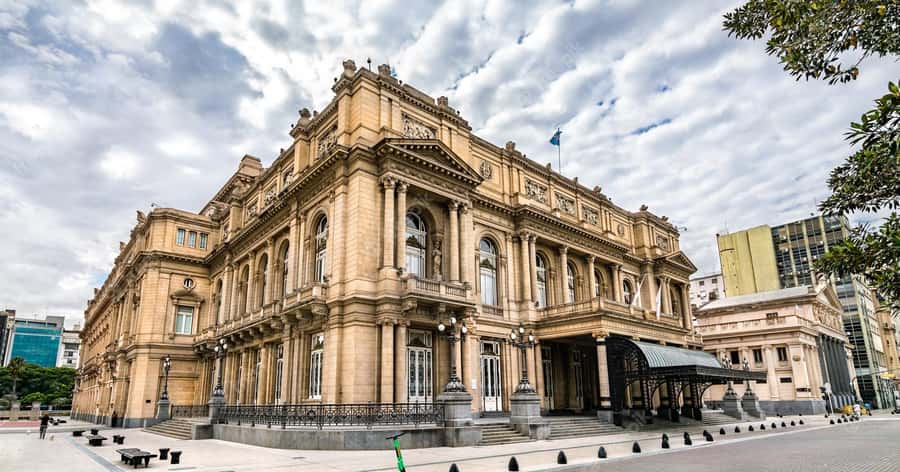
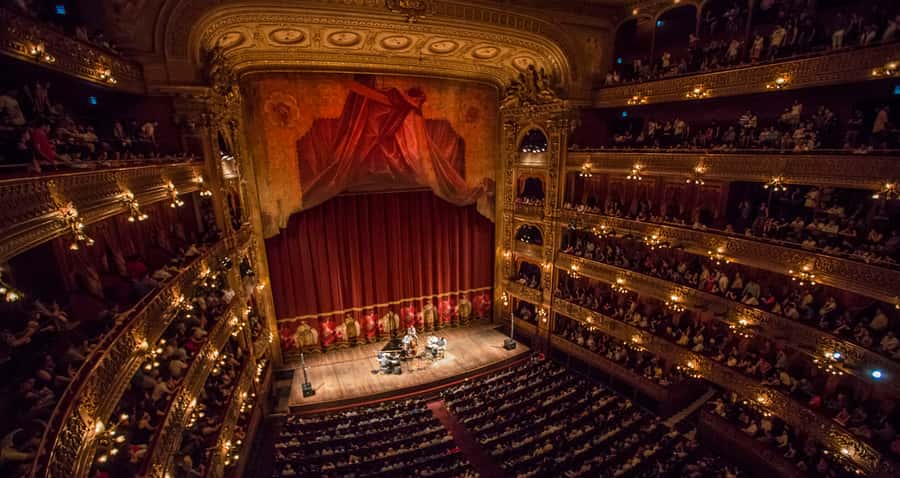
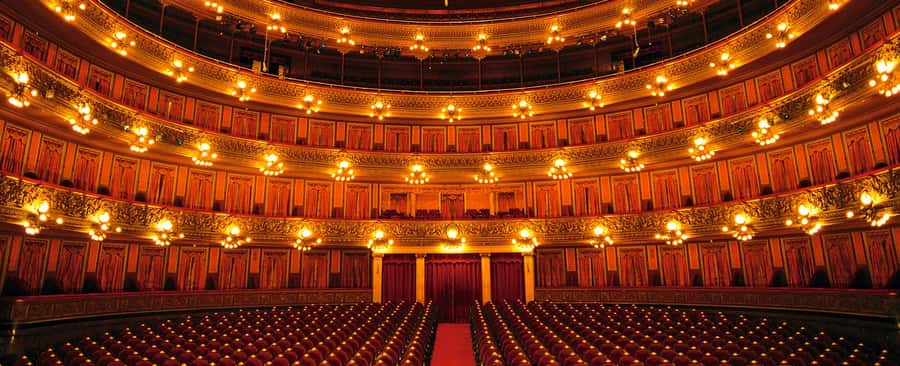
Teatro Colón is famous for a reason that goes beyond hype. The room that steals the show is the horseshoe-shaped auditorium, designed so music and voices carry with clarity. Even if you are not an opera superfan, you’ll feel why conductors and singers still talk about this space.
On the tour, your guide ties the acoustics to real design choices you can see. You’ll hear how shape, materials, and the way the hall is built work together. That makes the visit more than decoration viewing, because it gives you a framework for what you’re looking at.
One smart tip: pay attention when your guide points out specific features of the hall. It’s tempting to just stare, especially when you’re inside one of the most storied theaters on the planet. But the real value is understanding what makes the sound special, not only that it is famous.
Getting in smoothly: Tucumán 1171 and your QR check-in
Your tour starts at Tucumán 1171, then you head into the theater. When you arrive, you must show the PDF ticket sent by WhatsApp with its QR code. The GetYourGuide voucher alone is not valid for entry, so don’t count on that to work at the door.
This is one of those details that can ruin an otherwise perfect afternoon if you forget. Make sure you can access the WhatsApp message on your phone, with enough battery. If your phone screen brightness is low, you’ll want it set higher so the QR code scans easily.
Also plan for the reality of a working venue. Even on an off-performance day, the theater can be set for tests and preparations. That affects how bright certain areas are when you walk through them, and you might see the auditorium in less-than-perfect lighting conditions.
The early-1900s halls and the 700-bulb chandelier
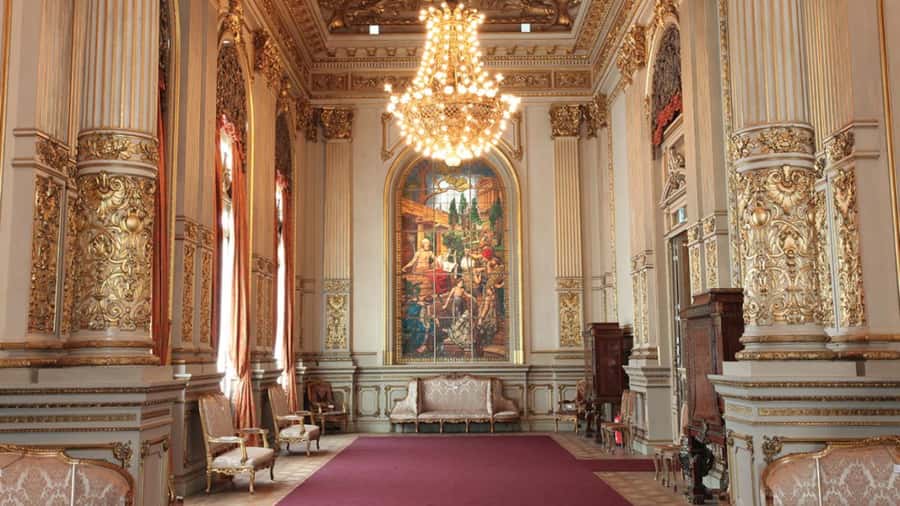
Before you even reach the main auditorium, you’ll move through the impressive public spaces from the early 1900s. This is where you get the building’s mood: grand, ornate, and very “you are inside something important.”
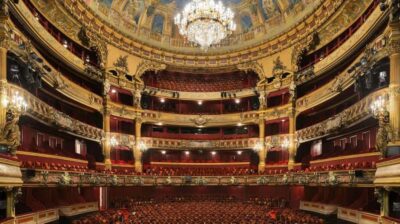
A major highlight is the chandelier with 700 light bulbs. It’s one of those details that sounds like trivia until you stand beneath it. The tour uses moments like this to connect art and engineering, showing you how the theater was built to impress in more ways than one.
I like that the tour doesn’t treat the halls like wallpaper. You get context on why the spaces were designed the way they were and what role they played for audiences. You’ll see how the theater is a complete experience, not just a stage and seats.
If you care about photos, this is the easiest part to capture. The chandelier area tends to be visually forgiving, and you can take your time without the darker theater lighting shifting your camera settings every minute.
Other guided days in Buenos Aires
Horseshoe auditorium: the room designed for sound
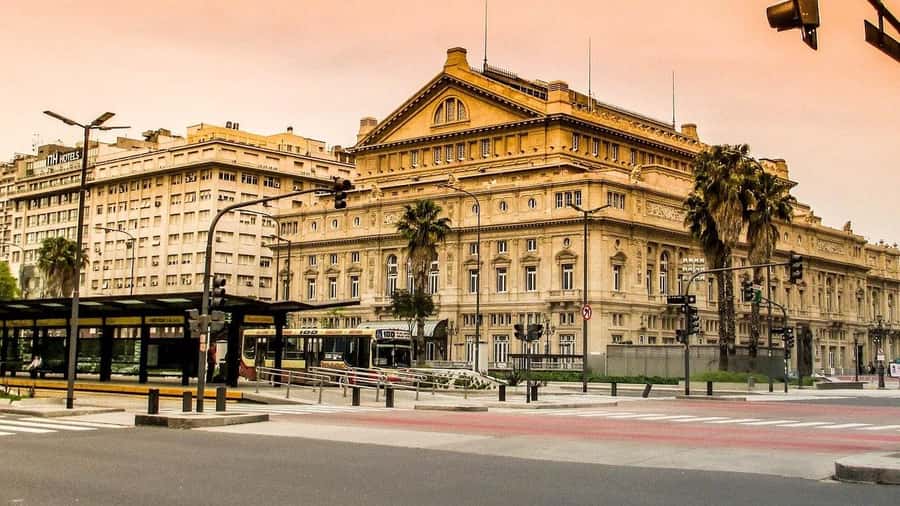
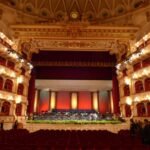
The horseshoe auditorium is the core of the visit, and it’s worth giving it your full attention. This is the space people compare across opera houses because it performs. The hall’s shape supports acoustics in a way that helps sound reach farther and stay clearer.
During the tour, your guide points out the features that affect sound distribution. You might hear explanations about how the hall reflects sound back toward the audience and how the seating and geometry shape what you hear. It’s the kind of explanation that makes you look at the architecture with new eyes.
One practical note: sometimes the main theater can be dark, especially if there’s a lighting test happening. You may not see everything as sharply as you’d like, and it can affect photo clarity. The fix is mindset and positioning. Stand where you can see your guide’s cues, and don’t assume you’ll have perfect visibility.
If your tour is in English, that’s usually where I’d suggest you place yourself near the front. That helps you keep track when the lighting drops and the group starts moving as one.
Raul Soldi frescoes: where art meets theater tech
The ceiling frescoes are another big reason people leave Teatro Colón buzzing. The guide leads you to the artwork, including the work by Raul Soldi, and explains what you’re seeing. In practice, it’s easier than you might think to follow along, because you’re not just looking up, you’re also getting a story.
These frescoes matter because they’re part of how the theater creates atmosphere. Opera is half sound, half spectacle, and the building handles both. When you understand the frescoes as part of the overall design, the theater feels less like a museum and more like a living stage world.
If you want good photos, plan for angle control. The tour will keep you moving, so don’t waste time trying to reframe every second. Pick a spot you like, shoot a few frames, then listen again while you move on.
Also, don’t be surprised if you see different lighting conditions. A theater is a theater, not a permanently lit gallery, so the brightness can shift depending on what’s happening that day.
Backstage areas: what you might access in real life
The tour description sets the expectation of exploring backstage areas. In real world terms, access can depend on what the staff is preparing and what is safe and open at that moment. So while you should expect more than just public rooms, don’t assume you’ll see every locked door in the same way every day.
What you can count on is time inside the core guest areas, including the lobby, lounges, and the auditorium. Those are the spaces that sell the experience because they show the architecture and the acoustics.
If you end up with less backstage time than you hoped for, your best strategy is to ask your guide for the “why.” Guides often know what is normally accessible, and they can explain what you’re not seeing. That converts disappointment into understanding, and it keeps the visit feeling worth it.
Guides, group size, and how to hear the details
This tour succeeds or struggles based on how the guide manages the group. The good news is that the storytelling can be excellent. I’ve seen how guides like Ottavio, Lucia, and Martin are singled out for clear explanations, energy, and an ability to connect theater history to what you’re standing in.
The challenge is group size. Some departures run large, which can make it harder to hear, especially if the guide doesn’t have a microphone. If you want the full experience, arrive early enough that you can position yourself where you can see and listen.
If the tour feels crowded, focus on what you can control. Stay close when the group stops, keep your eyes on the guide during explanations, and save your wandering curiosity for the brief photo windows.
And if your English or Spanish is a bit rusty, it still helps to listen for the visual cues. Architecture is universal when someone points directly at the feature they’re explaining.
Price and value: is $49 for one hour fair?
At $49 per person for a 1-hour guided tour, you are paying for access, a guided narrative, and skipping the slow ticket lines. That’s the basic value math.
Is it cheap? No. But you’re visiting a place that costs real money to operate and maintain. The theater is also famous, and demand is high, so getting in without waiting can save you time that you might otherwise spend in lines.
Here’s the more nuanced part. Some people feel the tour can be pricey because it is operated by Teatro Colón staff, meaning the official guided tour may cost less if you book through the theater directly. I’d treat this as a reason to price-check if you are sensitive to value. If you just want the easiest path in, $49 can still be a solid deal because it buys you clarity, not just entry.
My rule: if you care about understanding why the building works, you’re likely to feel the value. If you mostly want casual viewing with no explanations, you might feel the time is short.
Who this tour fits best
This is best for you if you love architecture, want context, or enjoy learning how design affects sound. The combination of frescoes, chandelier details, and the horseshoe auditorium makes it a strong choice even if you are not chasing opera performances.
It also suits people who want a tight schedule. One hour means you can fit it into a day of neighborhoods, museums, or evening tango plans without burning your whole afternoon.
Wheelchair access is listed as available, and the minimum age is 5 years old. Comfortable shoes matter, because you’ll be walking through rooms and transitioning between spaces.
If you are sensitive to crowds, choose a tour time that lets you stay in the front portion of the group. Dim lighting in the auditorium can also bother people who want bright photo conditions every second, so keep expectations realistic.
Should you book Teatro Colón guided tour?
Book it if you want the best kind of shortcut: a guided walk that turns a famous building into an understandable experience. The horseshoe auditorium and the Raul Soldi ceiling frescoes give you instant wow, and the guide explanations help that wow stick.
Skip or reconsider if you hate group settings, you need consistently bright lighting for photos, or you are only interested in a quick look without learning the design story. In that case, you might look into other ways to see the building that match your pace and expectations.
FAQ
How long is the Teatro Colón guided tour?
The tour lasts 1 hour.
Where does the tour start?
The starting location is Tucumán 1171.
What does the price include?
It includes the Teatro Colón guided tour entry ticket and a guided tour.
Do I need to show a specific ticket at the theater?
Yes. Once you enter, you must show the PDF ticket sent to you via WhatsApp with its QR code. The GetYourGuide voucher is not valid to attend the tour.
What languages are available?
Tours are available in English and Spanish. Portuguese is also mentioned as an option when you book.
Is the tour wheelchair accessible?
Yes, the tour is wheelchair accessible.
What should I bring?
Bring a passport or ID card and wear comfortable shoes.
Tour Reviews Around Buenos Aires

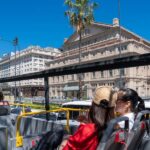
Buenos Aires in Marble

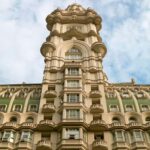

Just added in Buenos Aires
- Buenos Aires Tango Show and Dinner in El Querandi
★ 4.6 · 10 reviews - Buenos Aires: Classic Private City Tour
★ 4.7 · 11 reviews - Buenos Aires: Intimate Tango Experience
★ 5.0 · 11 reviews - Walking Tour: Buenos Aires bookstores
★ 4.3 · 12 reviews - 5hs Small Group City Tour of Buenos Aires with Street Food
★ 4.2 · 12 reviews
Porteño Palaces and Theatres, compared.
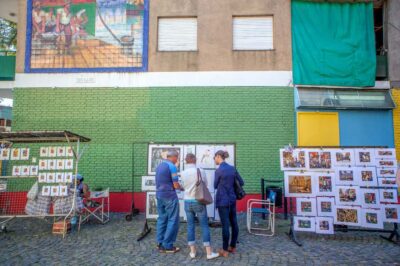 ★ 3.8Classic City Tour of Buenos Aires: Neighborhoods and EmblemsFrom $45282 reviews
 ★ 4.0Teatro Colon Guided Tour Admission TicketFrom $46208 reviews
 ★ 4.3Palacio Barolo Entry Ticket and Guided TourFrom $67193 reviews
 ★ 4.2Experience Teatro Colon : Secure your Tour today!!!From $4866 reviews
 ★ 4.4Palacio Barolo Guided Night Tour with WineFrom $9054 reviews
 ★ 4.9Historic Buenos Aires Landmarks & Icons TourFrom $2037 reviews
 ★ 4.9Walking City Tour with Colón Theater & MuseumsFrom $5814 reviews
Where this tour also appears