
REVIEW · PORTEñO PALACES AND THEATRES
Buenos Aires: Historic Buenos Aires Landmarks & Icons Tour
Buenos Aires tells its story on your feet. I love how Miguel turns stone and statues into real people and real choices, and I love the tight photo stops at Casa Rosada and the surrounding power blocks. The one caution is that it is a lot of outdoor walking, and it is not a good fit if you have mobility limitations.
You meet near the flagpole at Plaza de Mayo and spend the next 150 minutes working your way through the historic center’s big-name landmarks, plus a couple of spots that feel more lived-in than postcard-perfect. It is guided, not food focused, so bring water, wear comfortable shoes, and use that half day to get oriented fast.
Key takeaways before you go
- A guide like Miguel who explains with passion and adjusts when Spanish is tough
- Big landmarks with real context from Casa Rosada to Plaza de Mayo and the Cabildo
- Practical pacing for a 150-minute walk, with plenty of short stops and photo moments
- Historic layers close together including colonial-era buildings and government institutions
- A satisfying ending around the National Customs House and Comic Strip Plaza
- Outdoors the whole time, so sun and comfort matter more than you expect
Behind a few more velvet ropes in Buenos Aires
- Classic City Tour of Buenos Aires: Neighborhoods and Emblems★ 3.8 · 282 reviews
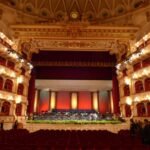
- Teatro Colon Guided Tour Admission Ticket★ 4.0 · 208 reviews
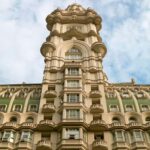
- Buenos Aires: Palacio Barolo Entry Ticket and Guided Tour★ 4.3 · 193 reviews
- Experience Teatro Colon : Secure your Tour today!!!★ 4.2 · 66 reviews
A 150-minute loop of power, church, and street icons
This tour is built for one main goal: help you understand central Buenos Aires without needing to plan a scavenger hunt. In just 150 minutes, you hit a stack of landmarks that explain how the city thinks, governs, and celebrates itself. You are not just looking at famous facades. You are learning what each place was for, who used it, and why it became important.
I like this structure because Buenos Aires can feel overwhelming on day one. You step into the historic center, and the guide gives you a mental map as you go. You will also get repeated “anchor” stops, which makes it easier to remember what you saw later when you are deciding where to wander on your own.
One more thing: the tour is designed around walking. That is the trade. If your feet are happy and the weather is reasonable, you get a focused highlights run at a budget-friendly price.
Where you meet at Plaza de Mayo, and why it matters
You start at Plaza de Mayo, meeting your guide near the flagpole. This location is smart because everything here is about Argentina’s public life. Casa Rosada, the surrounding government buildings, and the civic institutions are all within walking distance of one another. Starting at the square also helps you get your bearings fast, because you immediately see the city’s political center in context.
Practically, arrive a few minutes early so you are not rushing. The tour is guided in Spanish, but the best guides in Buenos Aires do more than recite facts. Miguel, in particular, has a reputation for working with the group and adapting when people struggle with Spanish, including adjusting his explanations when needed.
Central Bank building, from convent to landmark
Early on, you focus on the Central Bank of the Argentine Republic building. The big story here is that it was originally the San Ramón Nonato Convent. That kind of transformation matters in Buenos Aires because the city’s “old” buildings often served very different roles over time.
Why I think this stop is worth it: it trains your eyes. Once you notice how a former convent became a major financial institution, you start seeing the rest of the city differently. You stop treating landmarks like museum props and start understanding them as containers of changing power.
This is also a nice way to begin because it is close enough to the major civic area that you do not waste time traveling. You are in the thick of the historic center right away.
More of the century that built Buenos Aires

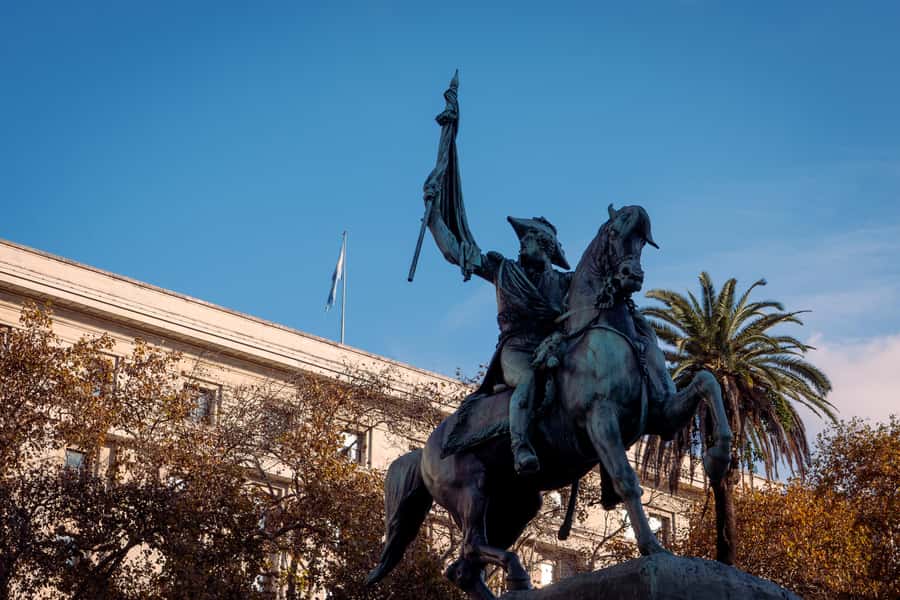
The Cultural Center and the postal palace view from Garay Monument
Next comes the Cultural Center, which used to be the grand post office palace. It is the kind of transformation Buenos Aires does well, turning a functional building into a cultural stop without erasing what it used to be.
From there, you reach Monumento a Juan de Garay. Even if you just take it as a photo stop, this area gives you a useful visual reference point for the historic center. You also get a sense of how the city expanded and how its early geography connects to what you see today.
If you like street-level history, you will appreciate this segment. A building like a post office explains commerce and connection. A monument ties the story to the people tied to the city’s founding chapter. It helps the rest of the day click into place.
Casa Rosada and Plaza de Mayo: the square that runs the show
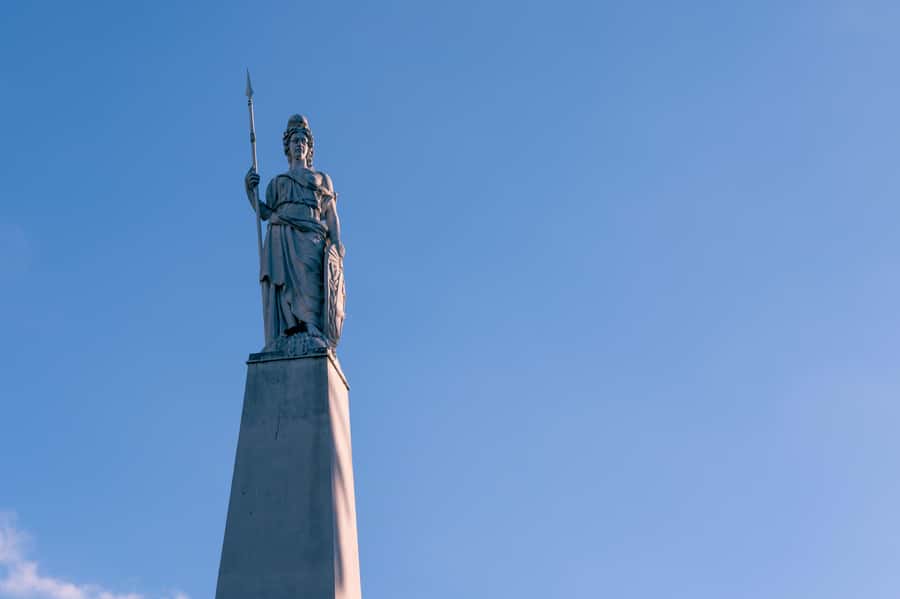
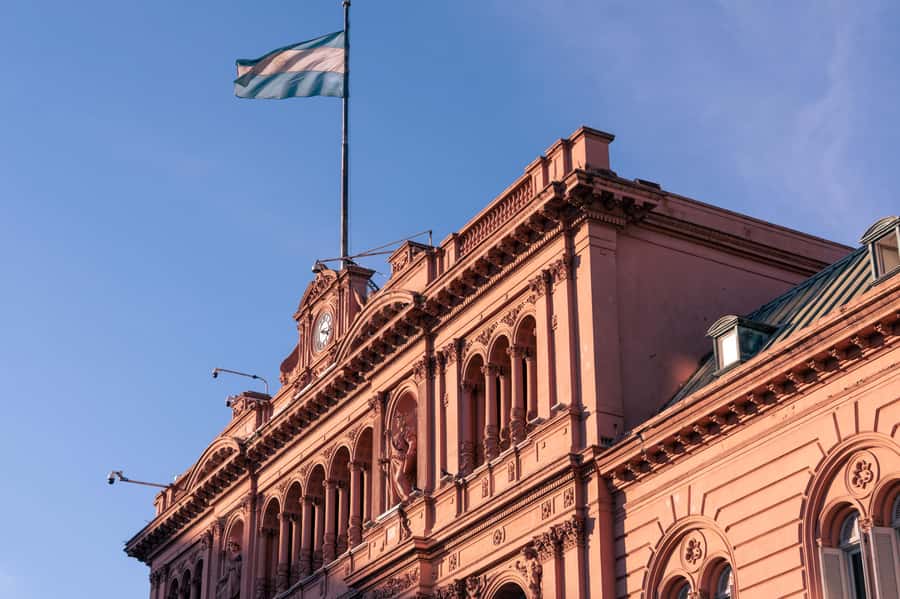
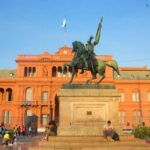
Casa Rosada is the headline, and the tour treats it that way. You get a photo stop, then a guided look that helps you understand why this building keeps showing up in Argentina’s political story. Even if you have seen pictures, seeing it in person changes the scale. It is one thing to recognize the pink facade. It is another to stand near it and understand how it relates to the rest of the square.
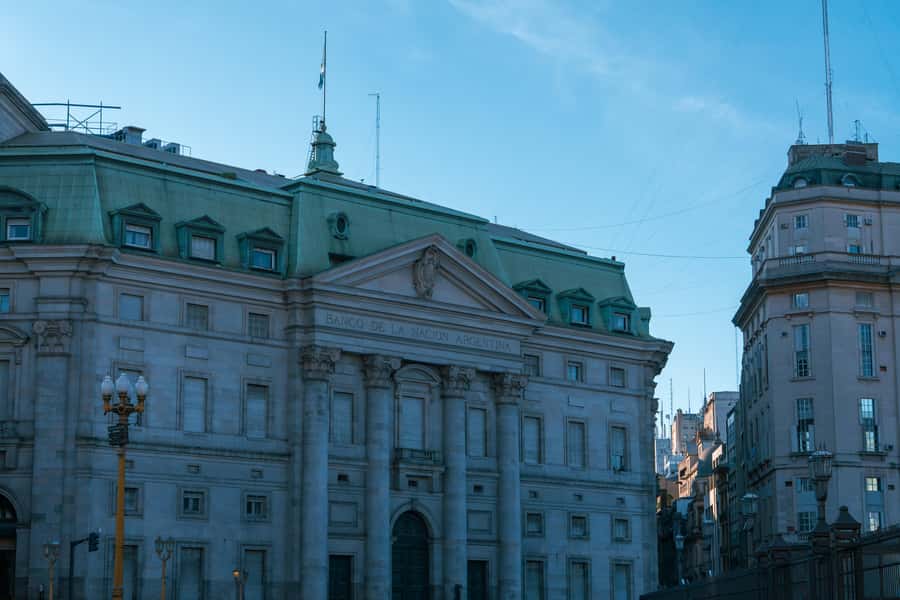
Plaza de Mayo is the heart of the experience. The guide points out the surrounding iconic buildings so you can read the square like a map. You will likely pass by or focus on key institutions nearby, including the Bank of the Argentine Nation building. These stops can feel “important” in a vague way until someone puts the pieces together for you.
One practical tip: bring your phone charger or plan for lots of photos. This is a place where you will want proof of what you learned, not just what you saw.
The Metropolitan Cathedral and Cabildo: where politics meets faith
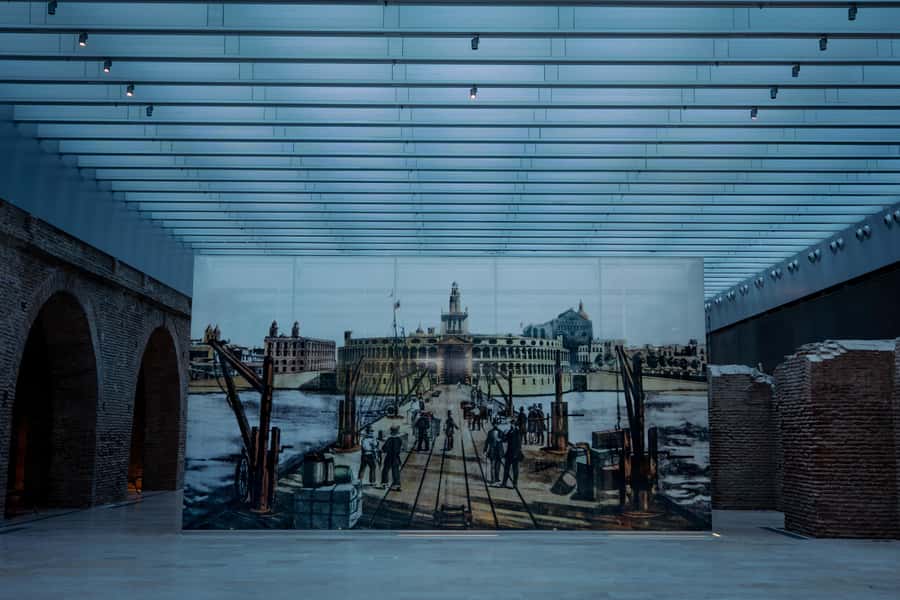
The Buenos Aires Metropolitan Cathedral is next, and the tour gives you both photo time and time to enter. With a guided visit, this is not just about architecture. You start to see the cathedral as part of the city’s public identity.
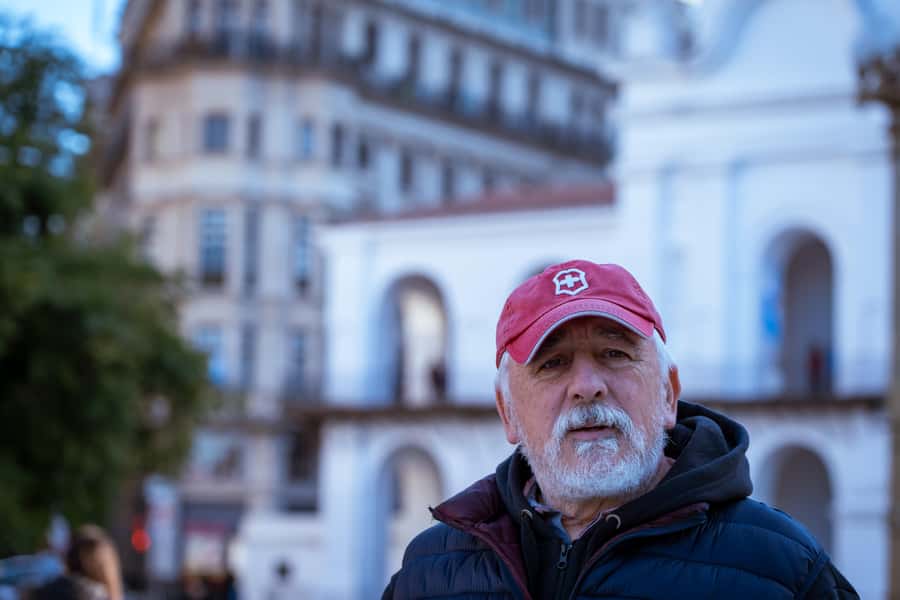
Then comes the Cabildo of Buenos Aires. This is a museum space that preserves the history of the city and nation. In plain terms, it gives you a place to slow down and absorb the story behind what you are seeing outside. The Cabildo stop also helps you balance the day. After government buildings and political squares, you get a structure that connects the civic story to broader historical context.
The big value here is pacing. If you tried to do these on your own, you might rush through or miss the why. With a guide, you can connect one stop to the next, so you leave with a thread you can explain later.
Manzana de las Luces: smaller streets, big historical clues
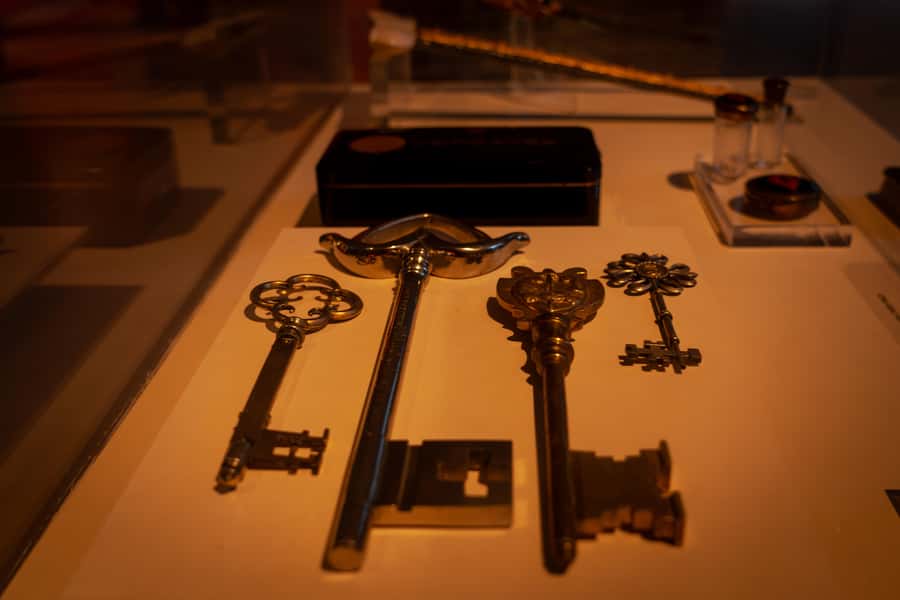
Manzana de las Luces is one of those stops that can feel easy to overlook if you are moving fast through the center. The tour gives it the time it deserves with photo stop and guided visit. You get a structured look at this area, plus guidance that helps you understand the significance of what you are seeing.
Why I like this stop in the context of the whole tour: it adds variety. The earlier parts lean toward major state institutions and the biggest squares. This is more about the city’s urban fabric, the kind of place where details matter and where history shows up in the way the blocks connect.
If you are the type who likes side streets and thoughtful context, this stop is a confidence boost. It feels like you are learning more than just the postcard front.
Bicentennial Museum and the role of presidents and art
Midway through, you reach the Museo del Bicentenario. The tour includes a visit with guided tour and sightseeing time. This museum setting matters because it shifts the day from civic landmarks to how modern Argentina tells its own story through relics and art.
You will see relics of past presidents and outstanding artworks, which gives your brain a different kind of evidence. Outside, you learn through architecture and public spaces. Inside, you learn through objects and curated displays. That contrast makes the tour feel complete rather than repetitive.
One caution: the tour includes museum time, but your guide is only one piece of the equation. Since the tour listing only guarantees a guided tour and does not specify what entry fees are included, you should double-check whether museum admission is covered or if you might need a ticket for certain stops.
Ministry of Defense views, plus towering institutions in the mix
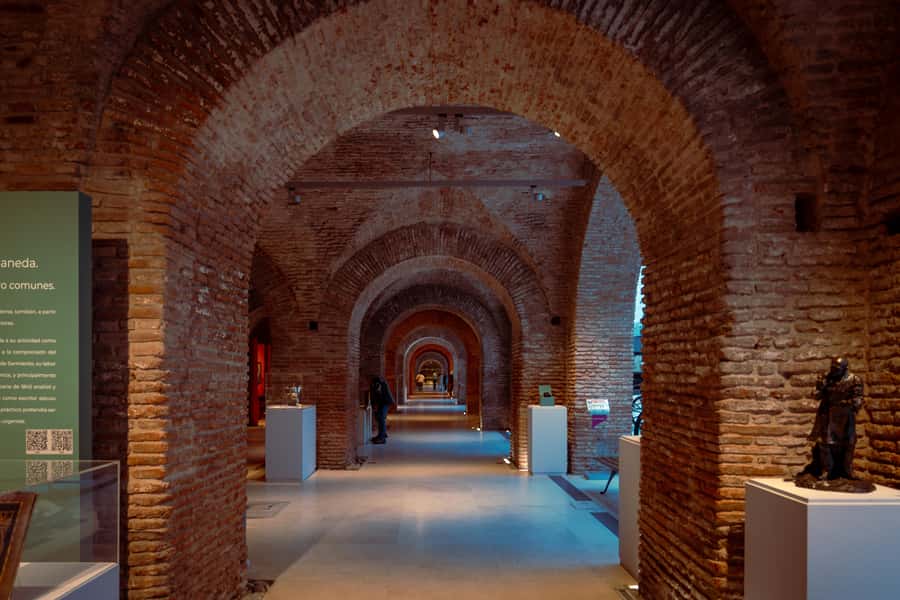
The tour also includes the iconic Ministry of Defense building, with its vast size and views. This is a stop that reminds you how much Buenos Aires runs on public power structures. You see the scale, the institutional presence, and you get help understanding why these buildings became part of the city’s identity.
In a half-day format, this type of stop can be either boring or fascinating, depending on the guide’s framing. Miguel’s strength, based on past groups, is linking what you see to what the institution represents. That makes even a “just a big building” moment feel useful.
National Customs House and Comic Strip Plaza to close the loop
You end at the National Customs House and the Comic Strip Plaza. Ending here is a smart balance. Customs is about trade, movement, and how Buenos Aires connects to the world. The Comic Strip Plaza adds a creative, lighter note to finish the walk.
I like endings like this because they give your memory a release valve. After absorbing politics, churches, museums, and major institutions, you get a space that feels more playful and more about culture. It is a nice way to keep your mental energy from fading right at the finish.
Guide Miguel style: why people keep praising this tour
The reviews show a clear pattern: Miguel’s explanation style is the reason the tour feels like more than just a checklist. People praise his passion for the city and his ability to make the stops make sense, not just sound like facts.
A couple of details stand out as practical. Several groups describe him as flexible, taking questions seriously and adjusting how he guides the group. One review notes he even adjusted his language when someone’s Spanish was limited, including switching to English for a group that had booked Spanish. Another mentions he showed how to drink mate. That kind of small cultural add-on can make the tour feel human, not scripted.
If you want to get the most out of this experience, do two things:
- Ask one or two questions early, then keep checking if you understand the bigger thread.
- If you need language support, say so at the start so Miguel can adapt while the day is still new.
Price and value for $20: what you really get
At $20 per person for 150 minutes, this tour is priced like a deal, especially for a route that touches major landmarks, multiple museum stops, and several guided visits. The key value is that you are paying for direction and context. You are not paying for a full-day itinerary full of surprises. You are paying to compress understanding into a short walk.
The only “value math” you should consider is this: the tour includes a guided tour, but food and drinks are not included. The tour also does not list hotel pickup and drop-off. So you are bringing your own water, and you are responsible for getting yourself to the meeting point.
If you already plan to explore the historic center anyway, this tour can save you time and reduce the chance you miss important context. If you prefer slow wandering and you hate guided groups, you might find the pace intense. But if you want structure and you like history explained in clear language, this price makes a lot of sense.
Who should book this Buenos Aires landmarks tour
This is a good match if you want:
- A guided orientation to the historic center in a short window
- Major landmarks with context, not just photos
- A guide who responds to questions and can adapt language needs
- A walking tour you can handle for about 150 minutes outdoors
I would skip it if you:
- Have mobility limitations or use a wheelchair, since it is not suitable for those situations
- Get uncomfortable in strong sun, because the tour takes place outdoors and you are expected to bring water and plan for walking
Also, because the live tour guide is Spanish, you should be comfortable following a Spanish-led experience. That said, past groups show Miguel has adapted when people were not confident in Spanish, so it may still work depending on your needs.
Should you book this tour?
Yes, if you are trying to understand Buenos Aires fast and you like your history explained while you walk. The combination of Plaza de Mayo power landmarks, church and civic institutions like the Cabildo and cathedral, plus museum time at the Museo del Bicentenario, makes the 150 minutes feel well used.
If you hate guided pacing, you might feel constrained. And if walking outdoors is a problem, look for a different format. But for most first-timers who want value and clarity, this one is easy to recommend.
FAQ
Where does the tour start?
Meet your guide near the flagpole at Plaza de Mayo.
How long is the tour?
The duration is 150 minutes.
Is the tour conducted in Spanish?
Yes. The tour has a live tour guide in Spanish.
What should I bring for this experience?
Bring comfortable shoes, a hat, sunscreen, and water.
Is food and drinks included?
No. Food and drinks are not included.
Is the tour wheelchair accessible?
No. It is not suitable for people with mobility impairments or wheelchair users.
Tour Reviews Around Buenos Aires
Buenos Aires in Marble
Just added in Buenos Aires
- Buenos Aires Tango Show and Dinner in El Querandi
★ 4.6 · 10 reviews - Buenos Aires: Classic Private City Tour
★ 4.7 · 11 reviews - Buenos Aires: Intimate Tango Experience
★ 5.0 · 11 reviews - Walking Tour: Buenos Aires bookstores
★ 4.3 · 12 reviews - 5hs Small Group City Tour of Buenos Aires with Street Food
★ 4.2 · 12 reviews
Porteño Palaces and Theatres, compared.
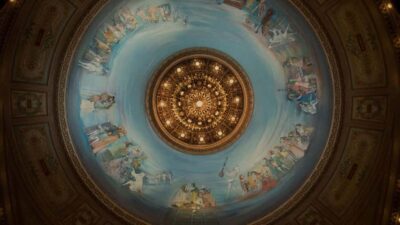 ★ 4.3Teatro Colon Guided TourFrom $49571 reviews
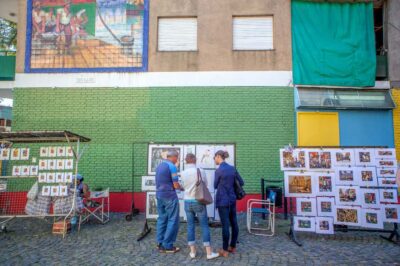 ★ 3.8Classic City Tour of Buenos Aires: Neighborhoods and EmblemsFrom $45282 reviews
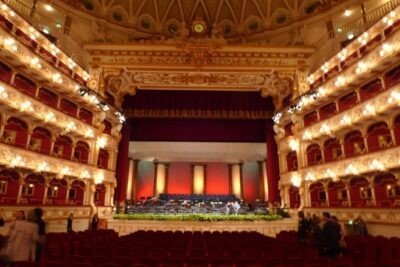 ★ 4.0Teatro Colon Guided Tour Admission TicketFrom $46208 reviews
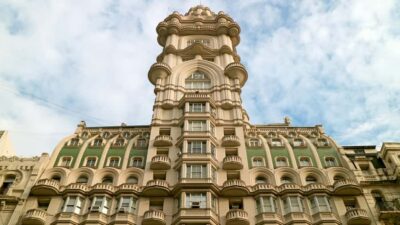 ★ 4.3Palacio Barolo Entry Ticket and Guided TourFrom $67193 reviews
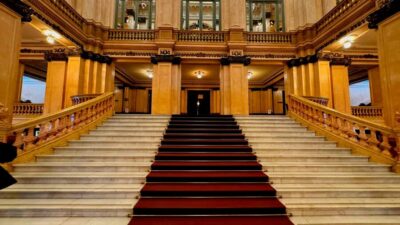 ★ 4.2Experience Teatro Colon : Secure your Tour today!!!From $4866 reviews
 ★ 4.4Palacio Barolo Guided Night Tour with WineFrom $9054 reviews
 ★ 4.9Walking City Tour with Colón Theater & MuseumsFrom $5814 reviews
Where this tour also appears