
REVIEW · BOCA JUNIORS AND RIVER PLATE TRIPS
Soccer Match in Buenos Aires with Transfers and Local Guide
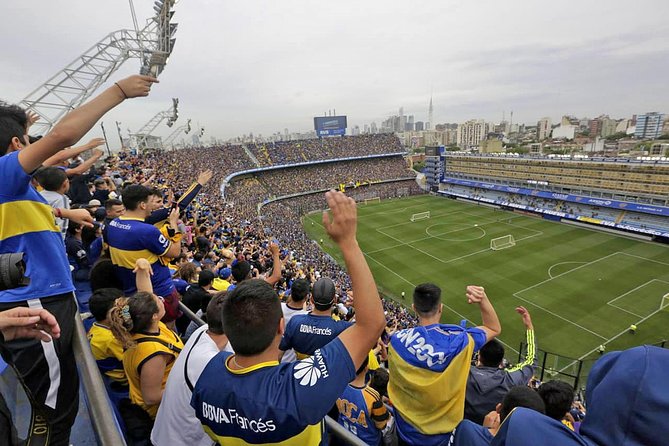
Football fans in one tight half-day, with a bilingual guide and stadium transfers to keep matchday simple. You get the kind of local explanation that turns a ticket into a story, plus an organized path into the stadium so you spend less time figuring out where to go and more time hearing the noise.
My favorite part is how this feels built for actual matchday: you’ll get seat access for a serious first-division game, and you’ll also pick up club context while you’re near the big stadiums around town. The one possible drawback is that schedules and entry requirements can be strict, especially if your match lands at River Plate, where a passport (not all foreign IDs) and Face ID registration can come into play.
Key highlights before you commit
- Small group size (max 15), which helps your guide keep everyone together during security checks and stadium walks
- Bilingual, football-dedicated guide, with standout praise for guides like Manuela, Gabi, Leandro, Andres, Matteo, and Pablo
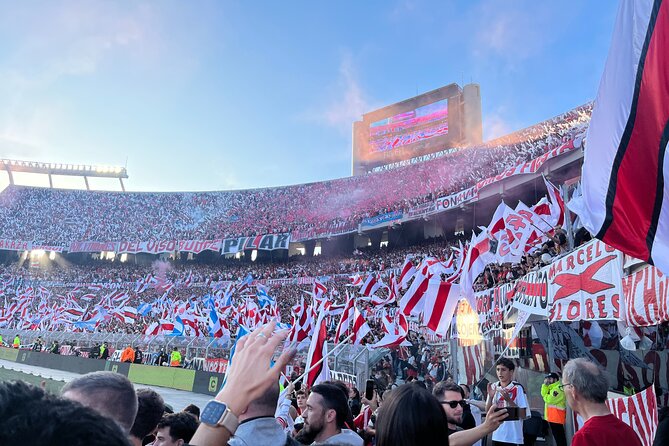
- Real Buenos Aires match energy, with time set aside for singing along and watching top-level play
- Included extras for day-of comfort, including transfers, bottled water, and a snack element
- Multiple famous stadium stops, so you get a sense of the city’s rivalries even if your specific match venue changes
- Serious entry rules, including ID or passport, no pro cameras, and strict documentation for some stadiums
Other football days in Buenos Aires
- Buenos Aires: Tickets to Boca Juniors Museum & Stadium★ 4.5 · 581 reviews
- Soccer Match in Buenos Aires with Transfers and Local Guide★ 5.0 · 103 reviews
- Buenos Aires: Boca Juniors and River Plate Football Tour★ 4.3 · 82 reviews
- La Boca, a collective creation: Port, immigrants, arts and football★ 5.0 · 58 reviews
From Defensa 831 to kickoff, without the travel headache
This is a half-day soccer experience built around one goal, getting you into the stadium and settled before the match momentum takes over. You meet at Tangol’s office at Defensa 831, then you head out with your bilingual guide and the group toward the game.
The time on the clock is about 4 hours total, but the bigger win is what you do not waste time doing. Buenos Aires stadium areas are busy, security lines can be tight, and the difference between arriving prepared and arriving confused is huge when you want to focus on the match. Here, your guide handles the run of the night, from getting you to the gates to keeping the group together so you do not end up sprinting while everyone else is already finding their seats.
Also, this is a good size for first-timers. With a maximum of 15 people, it stays personal enough for questions, and your guide can explain what you should watch for, where to keep your items, and how to behave in a crowd.
Club culture starts outside the pitch at each stadium stop
One thing I like about this tour is that it does not treat the stadium like a random building. It uses a sequence of stops around Buenos Aires’s major clubs to give you the “why” behind the “noise.” Even when you are only spending a short window near a venue, you’re learning how supporters identify with their club, and what songs and rivalries mean in real life.
Estadio Monumental (River Plate) and the 1978 connection
If the match-option includes River Plate, you’ll spend time at Estadio Monumental de River Plate, a major Argentina football site and the home where the national team has played. The tour framing also ties the venue to Argentina’s World Cup triumph in 1978, which is a nice anchor for your understanding of why this club and stadium carry weight.
Practical note: River Plate can have the strictest documentation rules. If your selected match is at River Plate, the tour data specifically says a passport is required, and foreign ID cards are not accepted. There’s also mention of Face ID registration for ticket confirmation. If you’re even slightly unsure, plan early. Bring the right document and follow the instructions they give you.
Other guided days in Buenos Aires
Estadio Libertadores de America (Independiente) and the King of Cups
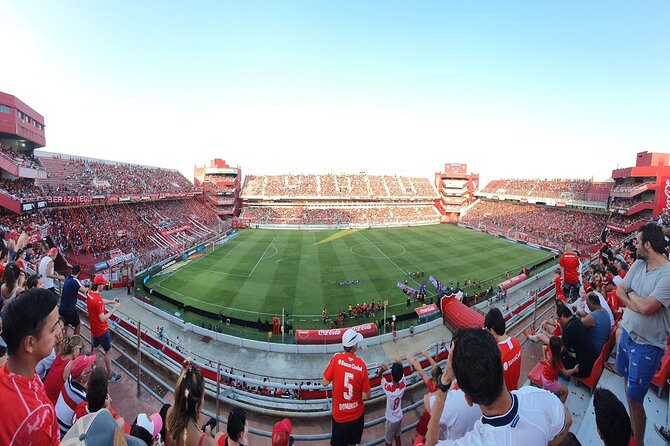
Another stop option is Estadio Libertadores de America, connected to Independiente, known as Rey de Copas (King of Cups) because the club is described as seven-time champion of America. That nickname matters because it signals a support culture built around continental success, not just domestic league drama.
Even if you only get a brief look, the guide’s job is to connect that nickname to what fans feel in match moments. Once you understand that supporters aren’t just cheering for goals, but for a club identity, the chants make more sense.
Pedro Bidegain (San Lorenzo), creativity, and a surprising link
Estadio Pedro Bidegain is associated with San Lorenzo, described as the club that’s considered the most “creative” because of the songs fans bring to the stadium. The tour also mentions a direct connection to Pope Francis, which adds an extra layer for people who like their sports history to cross into wider public life.
In practical terms, this type of stop is valuable because it prepares you for what you’ll hear. If you walk in knowing that a club’s songs are a big part of its identity, you’re more likely to join in instead of just standing there like a tourist with a program.
Presidente Perón (Racing), and 90 minutes of cheering
For Racing Club, the tour highlights the supporters’ fervor, noting they constantly cheer for 90 minutes, no matter the result. That’s a powerful concept if you want the full Buenos Aires experience: the stadium isn’t just reacting to the scoreboard, it’s performing all night.
When your guide explains that kind of supporter behavior ahead of time, it changes what you notice. You stop thinking in terms of “who’s winning” and start noticing “who’s driving the rhythm.”
Tomas Adolfo Ducó (Huracán) and neighborhood flavor
Huracán is framed as a traditional club with deep roots in a tango and bohemian neighborhood in the heart of Buenos Aires. This stop helps you understand that football in Argentina is also about place. The crowd energy is not just stadium theater; it’s tied to the city’s geography and daily life around the club.
Even if you are not trying to become a local scholar, this is the kind of detail that makes your match feel less like an event and more like a living tradition.
Amalfitani (Vélez Sarsfield) and the 1978 World Cup venue tie-in
Estadio José Amalfitani is connected to Vélez Sarsfield. The tour notes it is a world champion club and an “export club,” and it also says the stadium hosted the 1978 World Cup. That mix gives you two angles: a club known for producing talent and a stadium tied to a major global event.
If you care about football beyond just your own match, this stop is a reminder that Buenos Aires stadium culture stretches well past one rivalry.
Diego Armando Maradona stadium stop and Argentinos Juniors
Finally, Estadio Diego Armando Maradona relates to Argentinos Juniors, the club where Maradona played. That is the kind of fact that lands fast, even if you are not a die-hard Argentine football historian. It’s a shortcut into the “why this club matters” story that your guide can tie back to what you see in modern match culture.
Match time inside the stadium, what you’ll feel and what to watch for
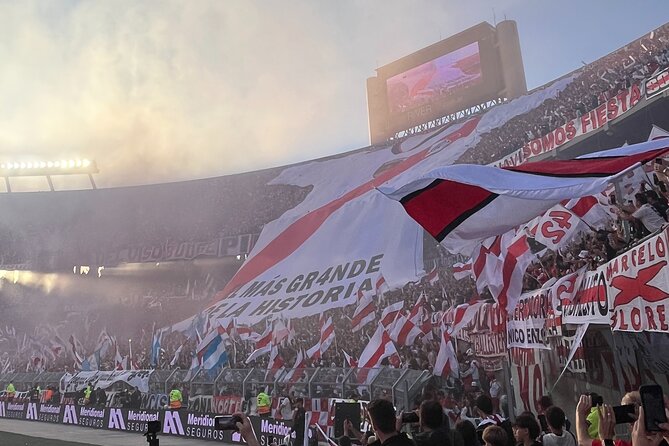
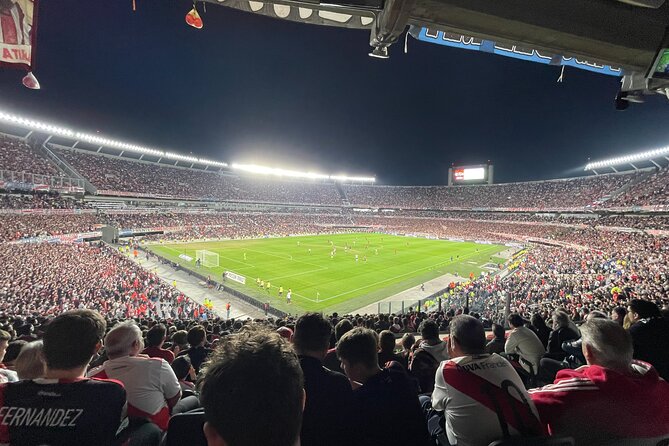
When matchday starts, the tour shifts from club context to crowd rhythm. You’ll make your way through the crowd to your seat, ready to watch one or more Buenos Aires first-division teams compete at a high level.
The atmosphere is described as electric and fan-driven, with locals singing and a packed stadium. That matches what you should expect at top-tier matches here: it’s not background noise. The chanting is part of the tactics in the sense that it affects energy in the stands, and it often changes how the game feels to watch.
Your guide is also there for the safety side, not just the history side. The tour info emphasizes security guidance, and multiple guide experiences praised how safe people felt during the event. For you, that means fewer moments of second-guessing, like where to stand with your phone, how to keep track of your group, and what not to bring.
Concessions are on you
A key practical detail: stadium concessions are for purchase at your own expense. The tour highlights mention snack included as part of the complete matchday experience, and one review specifically mentions the guide bringing cash to cover snacks. So yes, you may get help for basic food needs, but you should still treat other purchases as optional add-ons you pay for yourself.
One more rule to respect: it is not allowed to enter with food, drinks, or professional cameras. Keep your carry simple.
The snack and bottled water detail that actually matters
This tour includes bottled water, which is a small thing until you’re standing in stadium lines. It also includes a snack element as part of the matchday experience, and at least one guide reportedly helped cover snack needs with cash.
What I suggest for your planning is simple: treat the included snack as a baseline, not a full meal replacement. If you know you like a proper dinner before kickoff, do that. Then you can treat stadium food as a fun add-on, not an emergency plan.
Also, the tour data recommends bringing only essential items. That is smart here because stadium days are crowded, and the less you carry, the less you worry.
Tickets, IDs, and the River Plate gotchas
This is where you can save yourself stress. The tour data is very clear that you must present ID or passport or drivers license to enter the stadium.
The important twist is for River Plate. The tour states that for River Plate, a passport is specifically required, and foreign ID cards are not accepted. If you’re traveling with something else, make sure it’s the right document before you assume your ticket will work.
There’s also a technical step if your match is at River Plate: Face ID registration is required to confirm attendance, and the tour recommends contacting representatives to complete necessary steps in time. If that sounds annoying, it is still better than arriving and discovering your access is blocked.
Other rules also apply:
- No professional cameras
- No entering with food or drinks
- Match date and kickoff times can change, with confirmation happening the week before the game
- If your selected match date is rescheduled, you will be notified in advance
One more detail that’s worth caring about: this is a group tour, so even if you’re tempted to go your own way inside the stadium, follow your guide’s instructions so you do not miss the timing of entry or seat-walk.
Transfers and drop-off, the part that saves your evening
The tour includes transfers to the stadium. That matters in Buenos Aires because stadium areas are not the kind of place you want to navigate solo on your first night. Transfers also reduce the friction of finding the right meeting spot after the match, when crowds spill out and everyone’s looking for the exit.
Your group meets, you go together, and at the end the guide drops you back near where you started in central Buenos Aires. Reviews back this up with praise for pickup and drop-off being easy and organized, including cases where guides stayed with families and smaller groups through the whole process.
Even if you are comfortable using transit, this is one of those times where a guided transfer feels like paying to avoid chaos.
Price and value check for $172 per person
At $172 per person, you should look at what you’re getting beyond the ticket itself.
Included basics:
- Bilingual guide
- Entrance ticket
- Transfers
- Bottled water
- A snack element for matchday
That package is often what you end up paying for anyway if you go DIY, especially when you add a guide for club context and crowd navigation. The value is strongest if you:
- don’t want to fight for seats, entry timing, and messaging in a busy stadium area
- want history and culture explained so you actually enjoy the chants
- like the safety and pacing benefits of a group
Is it possible to feel it’s pricey? Yes. One lower rating raised the concern that in the stadium they received one drink and one food, and that it did not match expectations relative to the price. That doesn’t mean the tour is bad, but it does mean you should calibrate your expectations around the included snack and drink versus what you can buy on your own.
Also remember: match selection can shift due to rescheduling, and even the tour data says fixtures and kick-off times can change and are confirmed the week previous. If you are the type who needs a specific venue no matter what, you’ll want to pay attention to updates close to game day.
Who this soccer match tour is for
This is a strong fit for you if:
- you want to experience Buenos Aires football as a fan, not as a sightseeing project
- you like real stadium atmosphere and singing along
- you value being handled, especially around security and entry
- you’re traveling solo, as well as couples, and even families who want a guide-led experience (one review mentioned feeling safe with a 10-year-old)
It may not be ideal if:
- you dislike crowds or you are extremely budget-sensitive
- you want total control of every stop and purchase
- you are traveling with documents that might not meet strict entry rules for River Plate
Should you book this Buenos Aires matchday with Tangol?
I’d book it if you want the simplest path to a genuine matchday experience. The best part is how the guide turns a stadium ticket into context, and how the included transfers and bilingual support reduce the most stressful parts of the evening.
Before you hit confirm, do three smart checks:
- If there’s any chance you’ll go to River Plate, bring the correct passport and complete any Face ID registration steps they request.
- Pack light, since you cannot enter with food, drinks, or professional cameras.
- Mentally budget extra stadium snacks or drinks beyond the included basics, since concessions are typically for purchase.
If you want a first match in Buenos Aires that feels safe, organized, and alive with local football culture, this is a very reasonable choice.
Tour Reviews Around Buenos Aires
Match Days in Buenos Aires

Just added in Buenos Aires
- Buenos Aires Tango Show and Dinner in El Querandi
★ 4.6 · 10 reviews - Buenos Aires: Classic Private City Tour
★ 4.7 · 11 reviews - Buenos Aires: Intimate Tango Experience
★ 5.0 · 11 reviews - Walking Tour: Buenos Aires bookstores
★ 4.3 · 12 reviews - 5hs Small Group City Tour of Buenos Aires with Street Food
★ 4.2 · 12 reviews
Boca Juniors and River Plate Trips, compared.
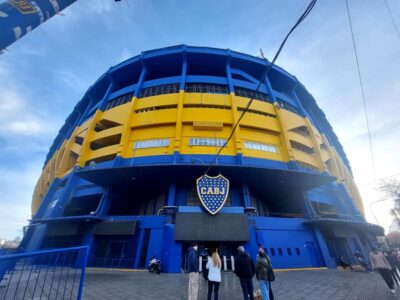 ★ 4.5Tickets to Boca Juniors Museum & StadiumFrom $38581 reviews
 ★ 4.3Boca Juniors and River Plate Football TourFrom $8982 reviews
 ★ 4.8Tickets to Soccer MatchesFrom $16258 reviews
 ★ 5.0La Boca, a collective creation: Port, immigrants, arts and footballFrom $6558 reviews
 ★ 4.3Hop-On Hop-Off Bus and Football MuseumsFrom $10539 reviews
 ★ 4.5River Plate Monumental Stadium and Museum Guided TourFrom $8239 reviews
 ★ 4.5Boca Juniors Game at La Bombonera with Local & TransportFrom $52733 reviews
 ★ 4.6Tickets to River Plate MuseumFrom $2732 reviews
Where this tour also appears