
REVIEW · PALERMO GRAFFITI AND MURAL WALKS
BA: Empanadas and Alfajores Cooking Experience in Palermo
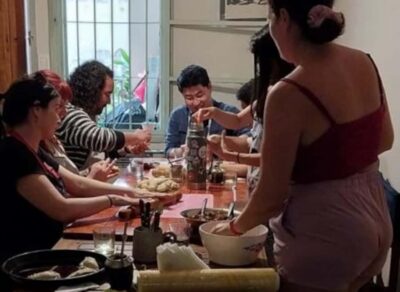
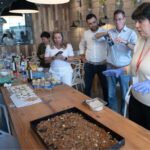
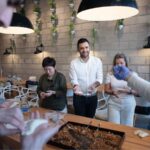
This is one of those Buenos Aires food stops where the learning feels personal, not performative, and you actually make the classics. I love the hands-on pace, and I especially like the moment you learn how empanadas change depending on the filling, then watch the alfajores come together with dulce de leche. One thing to keep in mind, some sessions can feel more active than others, so check what level of participation you want before you go.
You’ll also get a taste of Argentine food culture through mate tea and stories tied to kitchen traditions, not just recipes on a card. I like the small group size, up to 10 people, which makes it easier to ask questions while your hands are working. A possible drawback is that you might be served wine instead of coffee or tea in some cases, so it’s smart to plan around that and ask on arrival.
Key reasons this class is worth your afternoon
- Hands-on empanada folding: you learn how shape and sealing can vary by meat versus lentil filling.
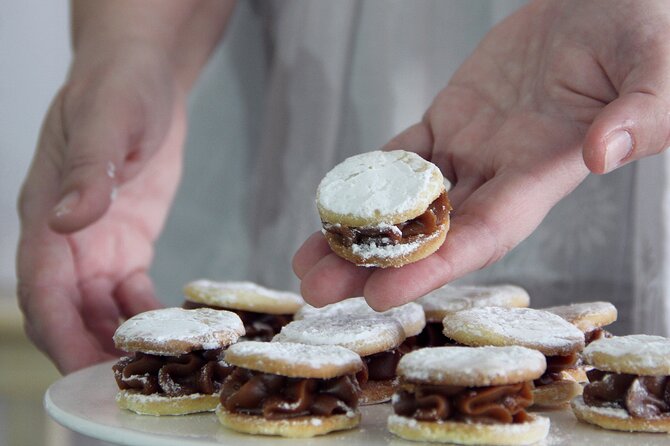
- Make alfajores from scratch: you mix, bake, and assemble cookies with creamy dulce de leche.
- Meat and vegan options: you can choose between classic fillings and a lentils-based vegetarian take.
- Small group, up to 10: you get time to work, not just watch.
- Argentina through food rituals: you’ll sip mate and hear kitchen stories while you cook.
Deeper into the Palermo murals
- Palermo: Graffiti and Street Art Guided Tour in English★ 4.8 · 684 reviews
- BA: Empanadas and Alfajores Cooking Experience in Palermo★ 5.0 · 112 reviews
- Buenos Aires Bike Tour: North Districts, Recoleta and Palermo★ 4.5 · 91 reviews
- Private Off the Beaten Path: Hidden Urban Art Bike Tour★ 5.0 · 62 reviews
Palermo empanadas and alfajores, in real life
Buenos Aires has plenty of ways to eat well, but this class is built for people who want the “how” behind the food. You start with Argentine empanadas, one of the country’s most iconic comfort foods, then you move to alfajores, the cookie-and-dulce-de-leche classic.
The venue starts in Palermo at Gorriti 4882, C1414BJN, and the experience ends back at the same meeting point. That simple round-trip setup is practical in a city where getting across neighborhoods can eat time, especially if you have other plans.
Group size is capped at 10, which matters. In a larger class, your hands can feel like an afterthought. Here, the layout is meant for everyone to take part, and you’re not stuck waiting your turn the whole time.
What you cook, meat empanadas and lentil empanadas
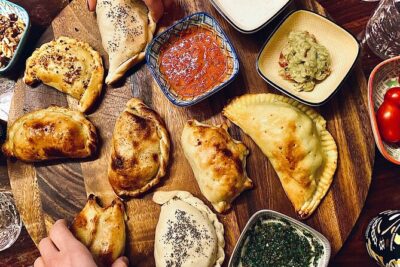
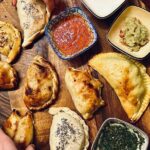
You’ll make a selection of empanadas during the session, with an option for meat or vegan. The meat version is typically beef, and the vegetarian choice often comes as a lentils filling option. The practical point: you get to compare textures and flavor directions, and you learn that the folding technique is not one-size-fits-all.
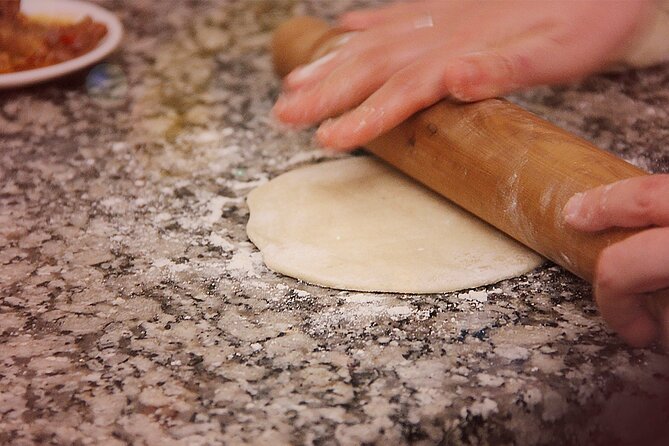
A really useful detail is that you’ll learn how to fold and shape empanadas based on the filling. That sounds minor until you realize most store-bought empanadas don’t teach you anything. In class, you’re shown what “standard” looks like, and you get corrections before it becomes a habit at home.
You’ll also handle ingredients in ways that feel more like cooking with locals than following a screen. Reviews note that chopping and cutting can involve sharp knives, so if you’re traveling with kids, plan on helping them or picking an approach where adults do the trickier prep.
Alfajores: the sweet finale with dulce de leche
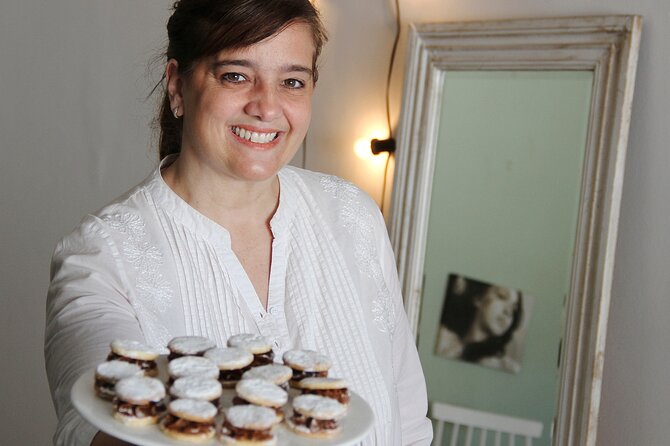
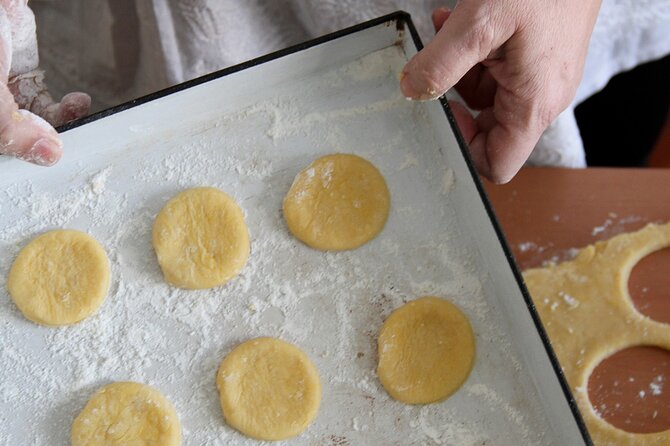
While the empanadas are working their way through cooking and cooling, the class shifts to alfajores. These are shortbread-style cookies filled with dulce de leche, and the sweetness is the point. In the session flow, you mix, bake, and then assemble the cookies with the filling once things are cool enough to work with.
A detail I like for home cooks: you’re not only assembling. You’re learning the rhythm of when to stop and let things cool, so the dulce de leche and cookie structure behave. Cookies can be fragile when you handle them, so the class emphasis is on gentle pressure and clean assembly.
Some sessions include a coating step, like rolling the finished alfajores in coconut. That’s the sort of finishing touch that makes the cookies look like what you’d buy, but you get to understand how it’s done instead of guessing.
Other kitchens worth an afternoon in Buenos Aires
The hands-on process: what actually happens during the 2 hours 30 minutes
The total time is about 2 hours 30 minutes. You’ll spend it moving between stations and steps, usually with a mix of explanation and active work. The exact flow depends on the instructor and the pace of your group, but the key idea is consistent: you work on dough, filling, shaping, and assembly.
For empanadas, you can expect:
- Ingredient prep like chopping vegetables and protein components
- Filling preparation
- Stuffing dough rounds or premade shells
- Shaping and sealing with guidance so the empanada holds its form
For alfajores, you can expect:
- Mixing dough for the cookies
- Baking (the wait is part of the process)
- Filling with dulce de leche
- Assembling and finishing, like rolling in coconut when offered
One practical note from experience-based feedback is that some classes may use partially prepared components, like premade empanada shells, which makes the session more doable for beginners. That is a plus if your goal is to learn the fold, not spend two hours wrestling dough.
Meet your host, Chef Valentino, Tomas, Carolina, and Catalina
One of the strengths here is the human side. You’re hosted by a professional native guide, and you’ll likely cook with an instructor who explains both technique and the small “why” behind it.
In different sessions, you may work with chefs and hosts such as Chef Valentino or Tomas, with guides including Catalina, Carolina, and Cata. Names change by day, but the shared focus stays the same: they show you how they learned, and they pass along the shortcuts and tricks that help you avoid the common mistakes.
A story that stands out from instructor style is the emphasis on how people learned in grandparents’ kitchens, sometimes with amusing rules like whistling so Grandma would know what you were up to. That kind of detail is more than entertainment. It’s a reminder that these recipes are family systems, not just food instructions.
If you get the chance to chat, you might even learn more about your chef’s other food projects. One instructor is described as an artisan aperitivo maker focused on vermouths and fernets, so it can lead to extra ideas for what to drink beyond a generic recommendation.
Mate tea, and the wine question you should ask
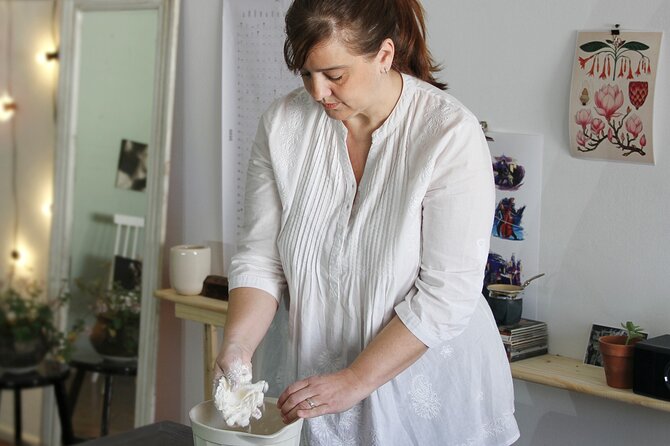
Food is only half of the Argentine experience here. The other half is drinks and the small cultural explanations that happen while you’re waiting for things to cook or cool.
The class includes coffee and/or tea, and it also features mate tea as the most authentic infusion. That’s a big plus if you want to experience mate beyond a tourist sip, because you’re drinking while you’re learning how Argentine comfort food is made.
That said, some sessions may serve wine instead. If you care about staying with non-alcohol options, ask when you arrive, or message ahead if your booking allows it. You can treat this as a “plan for either,” and your afternoon stays stress-free.
Small-group comfort: better for beginners and families
This is a class that works for beginners because the steps are guided and broken into manageable tasks. You’re not expected to know how to fold anything on day one. The goal is that you leave with technique, not just a full stomach.
Families are a common fit. The experience is described as ideal for you and your kids, and multiple families mention kids around ages 10 to 13. The catch is safety and support: chopping with sharp knives might be part of the process, so you should expect to help or choose how much your child can do safely.
For adults traveling solo or as a couple, the small group is also a social advantage. You’ll meet people while you cook, and it’s easy to exchange questions about neighborhoods and what to eat next, because everyone is focused on the same task.
Price and value: why $49 can be worth more than dinner
At $49 per person for about 2 hours 30 minutes, this is priced like an activity, not like a full restaurant meal. That’s the key to the value calculation.
You get:
- Ingredients for empanadas and alfajores
- Cooking tools
- A professional native host
- Coffee and/or tea, plus mate tea
- A small-group teaching format designed for participation
If you compare it to the cost of eating empanadas and alfajores plus a drink in Buenos Aires, the difference is that you’re paying for instruction and take-home ability. Many classes teach one dish. This one covers both savory and sweet, and you learn technique for folding and sealing empanadas, then baking and assembling alfajores with dulce de leche.
Also, you’re not spending all day in a long tour loop. A 2.5-hour block is perfect if you want something real without sacrificing your evening plans.
Participation reality: when it feels active, and when it doesn’t
Most feedback points to an experience where everyone can participate, including chopping, rolling, stuffing, and shaping. You should expect a lot of involvement because the whole point is learning how to fold empanadas correctly and assemble delicate alfajores.
Still, one caution from the overall feedback is that in some cases, the class may lean more toward watching than doing, with one person doing most of the work. That’s not always a deal breaker, especially if you’re there for the cultural stories and the food you’ll eat, but it matters if you want maximum hands-on time.
If you’re deciding and you care most about hands-on participation, look for a session that fits your comfort level. For example, if you want to do most steps yourself, plan to arrive ready to work and ask early how participation is handled.
What you’ll leave with: recipes and new skills
The biggest payoff is what you can make at home afterward. You’re taught the Argentine “how,” and you’re not just copying a meal, you’re learning technique that lets you recreate it.
There are also mentions of recipes being shared at the end, often via WhatsApp. That matters because you won’t remember every detail while you’re busy shaping empanadas and assembling alfajores.
And even if you never cook these at home, you still gain useful knowledge. You’ll start to recognize why different empanadas look different in shape and closure, and you’ll understand why alfajores taste the way they do, especially the dulce de leche portion.
Getting there in Palermo, and planning your afternoon
The meeting point is Gorriti 4882. It’s noted as near public transportation, which helps if you want to avoid the guesswork of taxis in busy hours.
Because the class ends back at the meeting point, you can plan your next stop without a long transfer. I’d treat it like an anchor activity: do this early or mid-afternoon, then let dinner be something flexible.
If you’re traveling with kids, build in a little buffer time before and after. Cooking activities can run a bit based on how quickly the group moves and how long fillings and baked cookies need to cool.
Should you book this Palermo cooking class?
If you want a real Argentine food experience where you learn hands-on and eat what you make, I think this is a strong choice. It’s especially good if you care about technique, like folding empanadas differently for different fillings, and if you’re excited by dulce de leche alfajores.
Book it if:
- You want meat and vegan options in the same format
- You like small-group classes that keep you involved
- You’re traveling with kids and your crew can handle some prep work
- You want a 2.5-hour activity that doesn’t swallow your whole day
Skip or reconsider if:
- You are very sensitive to the amount of oil used in cooking and you want a specific health preference
- You strongly prefer coffee and tea and want to avoid wine entirely, since beverage service can vary by session
- You need guaranteed maximum hands-on time and you’re worried some classes could feel more watch-heavy
FAQ
What is included in the Palermo empanadas and alfajores cooking experience?
The class includes empanadas ingredients, alfajores ingredients, a professional native host, coffee and/or tea (including mate), and cooking tools.
Are there vegan or vegetarian options?
Yes. You can choose between meat and vegan options, including a lentils option mentioned in the experience.
How many people are in the group?
The class has a maximum of 10 travelers, so it stays small.
How long does the experience last?
It lasts about 2 hours 30 minutes.
Where does the class start and end?
It starts at Gorriti 4882, C1414BJN Cdad. Autónoma de Buenos Aires, Argentina, and ends back at the same meeting point.
Is transportation included?
No. Transportation is not included.
Do I need to pay tips?
Tips are not included.
What is the cancellation policy?
You can cancel for free up to 24 hours in advance for a full refund. If you cancel less than 24 hours before the start time, the amount paid is not refunded.
Is coffee or tea provided?
Yes. Coffee and/or tea are included, and mate tea is part of the experience. Some sessions may offer wine, so it’s smart to ask when you arrive if that matters to you.
More Kitchens Worth an Afternoon
Palermo by the Wall

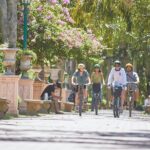
Just added in Buenos Aires
- Buenos Aires Tango Show and Dinner in El Querandi
★ 4.6 · 10 reviews - Buenos Aires: Classic Private City Tour
★ 4.7 · 11 reviews - Buenos Aires: Intimate Tango Experience
★ 5.0 · 11 reviews - Walking Tour: Buenos Aires bookstores
★ 4.3 · 12 reviews - 5hs Small Group City Tour of Buenos Aires with Street Food
★ 4.2 · 12 reviews
Palermo Graffiti and Mural Walks, compared.
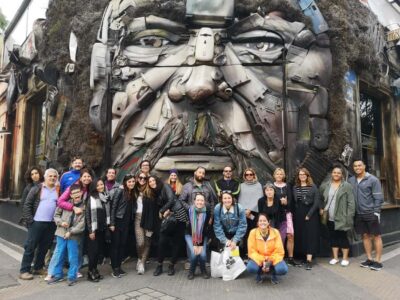 ★ 4.8Palermo: Graffiti and Street Art Guided Tour in EnglishFrom $13684 reviews
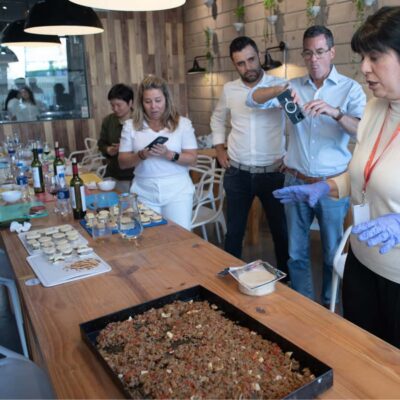 ★ 4.6Empanada & Alfajor Cooking Lesson in PalermoFrom $49186 reviews
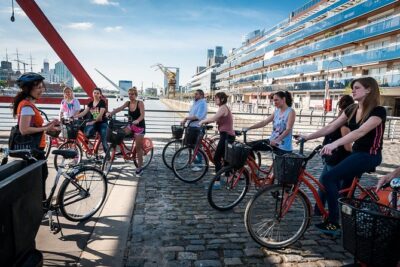 ★ 4.5Buenos Aires Bike Tour: North Districts, Recoleta and PalermoFrom $4591 reviews
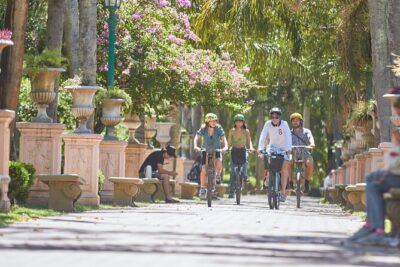 ★ 5.0Private Off the Beaten Path: Hidden Urban Art Bike TourFrom $11562 reviews
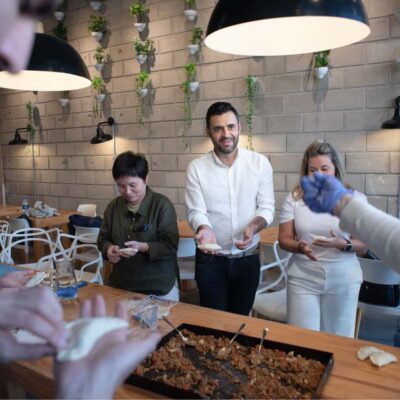 ★ 4.8Argentinian Empanadas Cooking Experience in Palermo, Bs AsFrom $4650 reviews
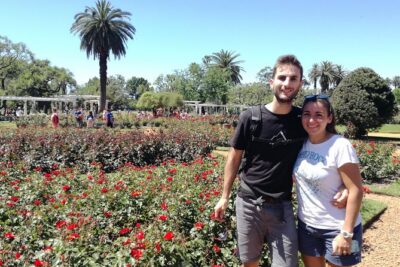 ★ 5.0Cultural Experience by Bike around Palermo and Recoleta Max 6 pplFrom $5444 reviews
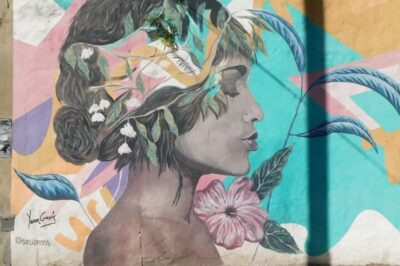 ★ 4.0Premium Argentinian Wine and Malbec Tasting & Urban Art TourFrom $6516 reviews
Where this tour also appears