
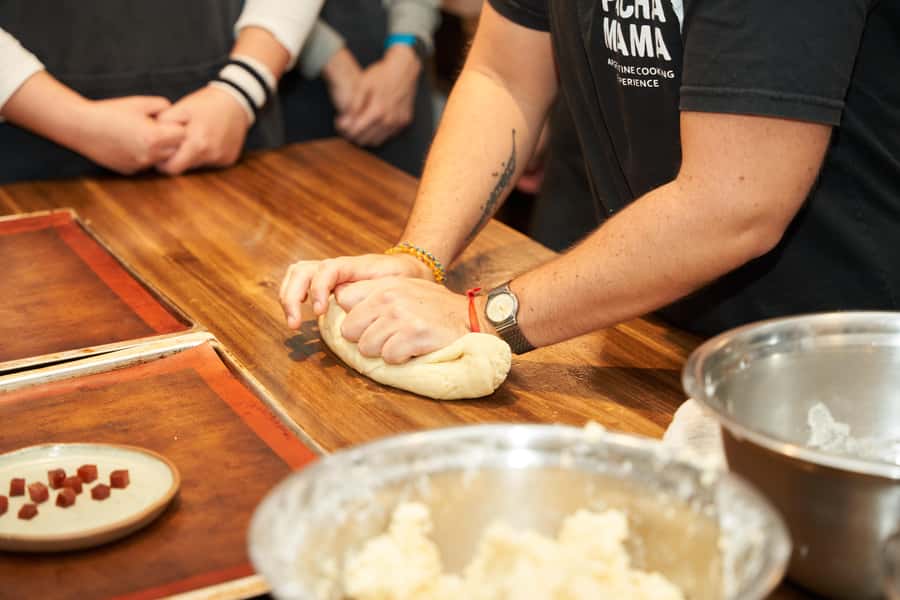
REVIEW · BUENOS AIRES COOKING WORKSHOPS
Pachamama – Argentine Cooking Experience in Buenos Aires
Argentine cooking gets hands-on quickly. In Pachamama, I like the cook-with-your-hands format and the cozy sit-down meal that follows, not just a tasting. One consideration: it is shared work, so you will take turns rather than fully cook every dish alone.
Another big plus is the pairing with Mendoza Durigutti wines. You get a welcome spread, multiple courses, and enough drinks to keep the evening feeling like a real Argentine table, not a rushed class.
Key points to know before you go
- A welcome picada first so you start eating while you learn the basics of Argentine cuisine.
- Four recipes you actively cook as part of a 5-step menu rhythm.
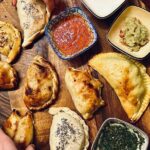
- Iconic dishes, not tourist-only plates like chipa, beef empanadas with chimichurri, and humita stew gratin.
- Durigutti Las Compuertas wine pairing paired through the meal, plus vermouth, water, and homemade lemonade.
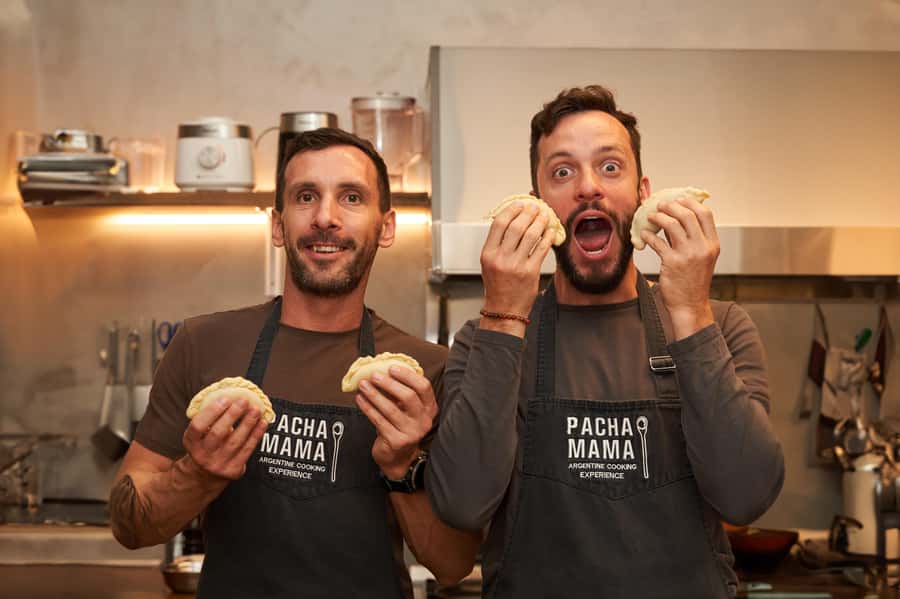
- Franco and his team keep things moving with a friendly, organized flow that still feels relaxed.
- Dietary changes are possible, including vegetarian, gluten free, and lactose free adjustments.
Other kitchens worth an afternoon in Buenos Aires
- Buenos Aires: Empanadas and Alfajores Guided Cooking Class★ 4.8 · 486 reviews
- Buenos Aires: Empanada & Alfajor Cooking Lesson in Palermo★ 4.6 · 186 reviews
- Buenos Aires Food Tour: Local Dishes, Steak, Empanada & More★ 5.0 · 118 reviews
- BA: Empanadas and Alfajores Cooking Experience in Palermo★ 5.0 · 112 reviews
A cozy Argentine kitchen, built for cooking at real speed
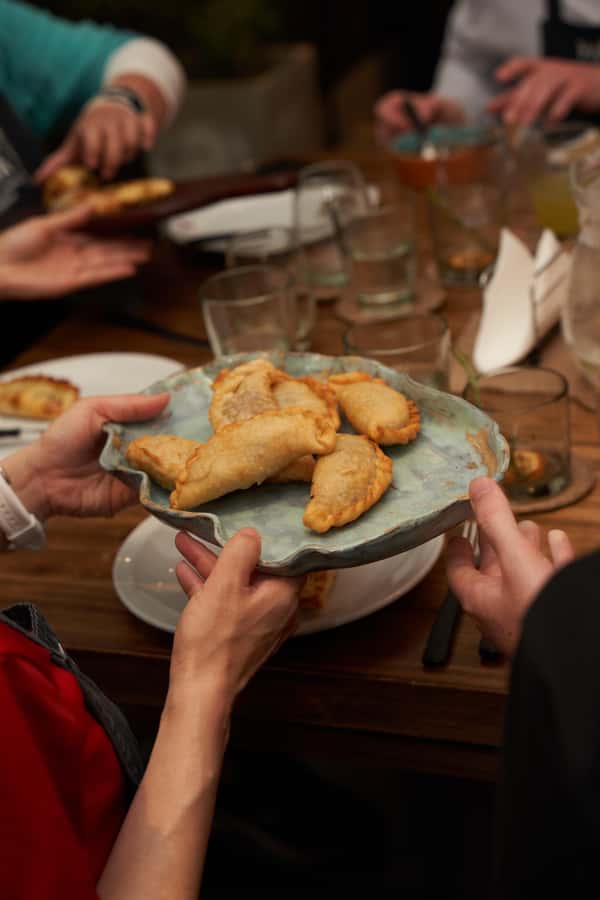
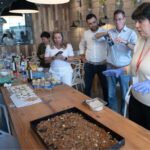
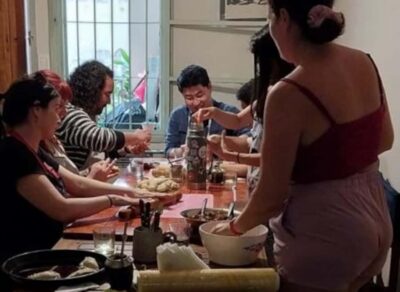
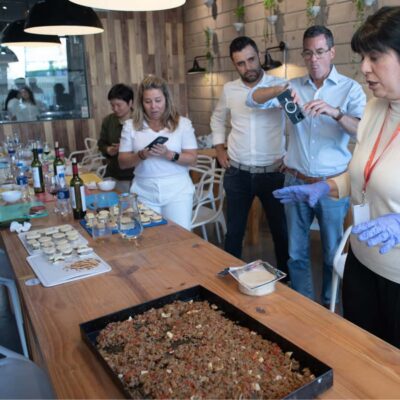
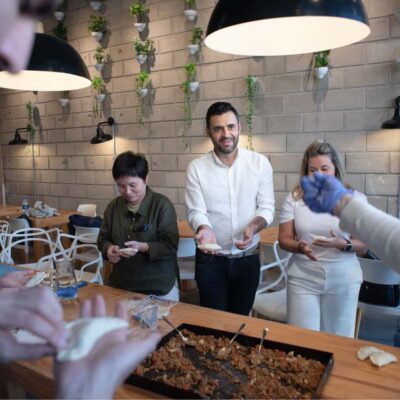
Pachamama is the kind of Buenos Aires activity that feels like you were invited into a home, not herded through stations. The setting is described as cozy and homey, and the whole lesson is designed around eating together at the end. You show up as a group, you cook as a group, and then you sit down as a group.
What makes this appealing is that it is not just about learning names of dishes. You practice core techniques, handle ingredients yourself, and then taste the results paired with wine. If you learn best by doing, this fits.
One more practical note: there is no hotel pickup or drop-off. So you need to plan your own ride to the venue and build in a little buffer time.
The warm-up: picada, vermouth cocktail, and a cuisine mini-lesson
Before the aprons really go on, the experience starts with a welcome homemade picada. You get preserves, pickles, and local bread. It is a classic Argentine way to start, light enough to settle in, but packed with flavors you will notice later when you cook.
Right away, the lesson includes context, including what mate is and how flavors like chimichurri show up in Argentine cooking. You also get a sense for what makes empanadas feel distinctly regional, including how spice smells lead you to the right expectations.
This warm-up matters because it sets your palate. When you later make chimichurri or shape empanadas, you are not doing it in a vacuum. You already know what those flavors should feel like in your mouth.
Your hands-on menu: 4 recipes, organized like a proper meal
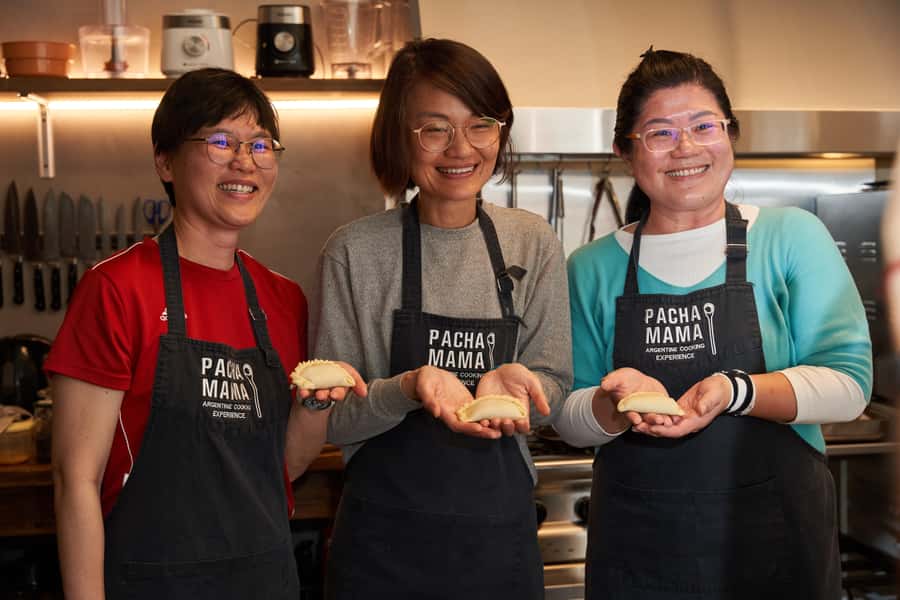
The format follows a simple logic: snack, appetizer, main, dessert. During the class, you roll up your sleeves and cook four local recipes. The fifth step is effectively built into the meal flow, so you end up with a full arc of courses rather than random bites.
Also, the class is structured for small groups. It is limited to 10 participants, even though the experience can handle up to 14 people in some formats. Either way, it should feel intimate rather than chaotic.
Chipá, BBQ sauce, and a spicy fermented kick
One of the first recipes is chipá, a cheesy, Argentine-style snack. You cook it with your own hands, then taste it with BBQ sauce and a fermented spicy sauce. That spicy fermented element is the kind of detail that makes the class feel thoughtful, not generic.
This course is a good warm start because it teaches you how Argentine snack flavors balance savory, tangy, and smoky notes. If you like street-food energy but want it taught clearly, chipá fits.
Beef empanadas and chimichurri
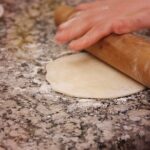
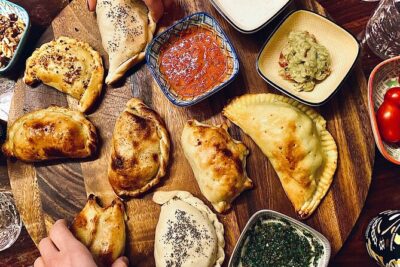
Then comes one of the most satisfying steps in the whole experience: beef empanadas with chimichurri sauce. You cook the empanadas and make the chimichurri element that people often talk about but rarely understand until they see how it is built.
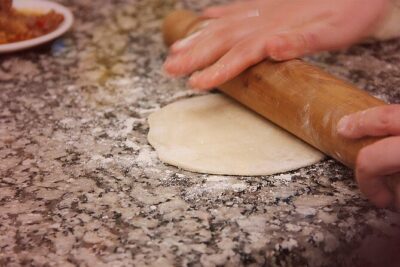
Empanadas are hand food, so you will be doing the work that matters. This is also where the earlier lesson about spices pays off. The kitchen isn’t just teaching you a recipe card, it is training your senses for the right direction.
Humita stew gratin, comfort-food style
Next is humita stew gratin. Humita is corn-forward and deeply comforting, and the gratin part suggests you get that baked, browned top finish. It is a great mid-course because it slows things down just enough to let your earlier spicy, herby flavors cool off.
This is the course that can win over picky eaters. Even if you are not a corn fan at home, humita in this format tends to feel like warm, savory satisfaction.
Flamed dulce de leche crepes, ice cream, and limoncello
For dessert you get flamed dulce de leche crepes with ice cream, plus homemade limoncello. Sweet, creamy, and aromatic, it is the kind of ending that feels celebratory without being complicated to enjoy.
The flamed touch is memorable, but the real value is that you finish the meal with a distinctly Argentine dessert, not a generic chocolate ending. If you love learning how dessert fits into local dining culture, this course lands well.
Wine pairing and drinks: Durigutti Las Compuertas through the meal
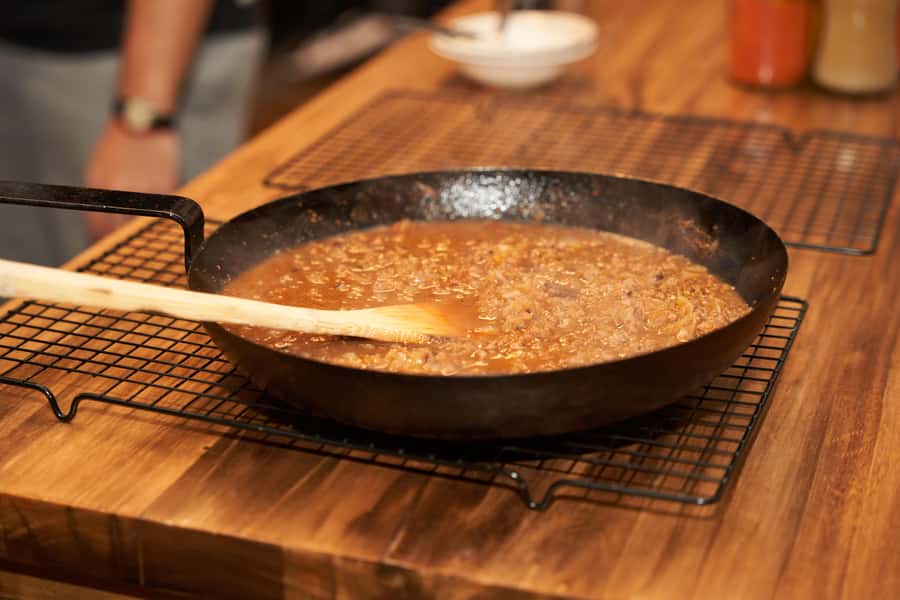
Food classes are only as good as what keeps you interested between courses. Here, the meal includes pairing with Mendoza Durigutti wines, Las Compuertas. You also get vermouth, water, and homemade lemonade as part of the experience.
This matters because pairing turns cooking into understanding. You are tasting how acidity, sweetness, and herbal notes can change the way you experience empanadas, chimichurri, and creamy desserts. Even if you are not a wine expert, you can still learn something practical: what to drink with what, and why.
And if you are the type who likes a social vibe, pairing helps. You are eating with the group, sharing table talk, and not waiting for the next course to arrive.
The Argentine flavors you’ll actually remember
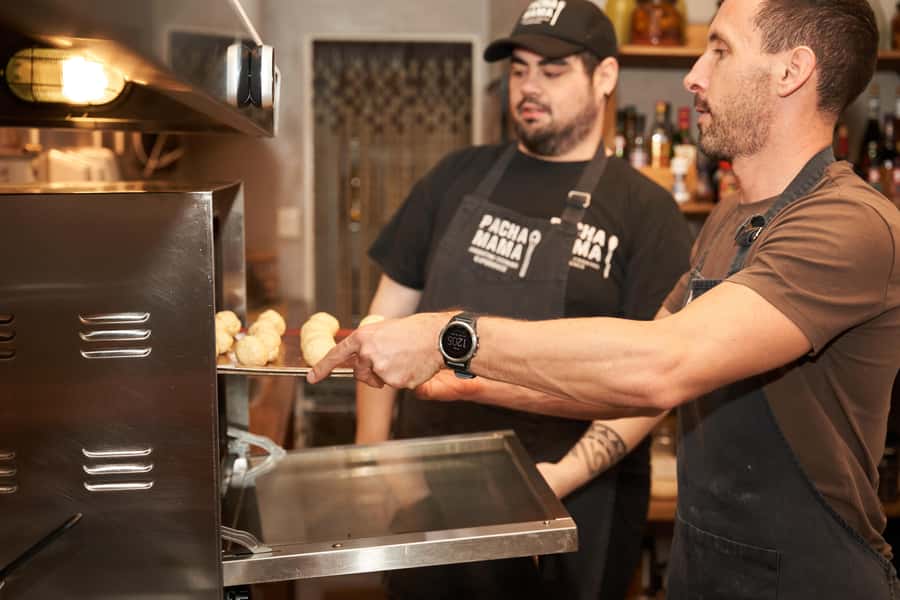
I like experiences that teach a few key taste anchors, not twenty random facts. Pachamama focuses on foods and flavors people associate with Argentina, then gives you a real path to remember them.
Expect clear emphasis on:
- Mate as a cultural touchstone
- Chimichurri and how it works with grilled or fried foods
- The spice atmosphere around empanadas
- How corn-forward comfort like humita shows up in everyday meals
- How dulce de leche sits at the center of Argentine dessert culture
This approach is practical. Instead of leaving with a vague idea of Argentine cuisine, you leave with a small set of dishes and techniques that you can recreate at home.
Recipes, photos, and tips you can use later
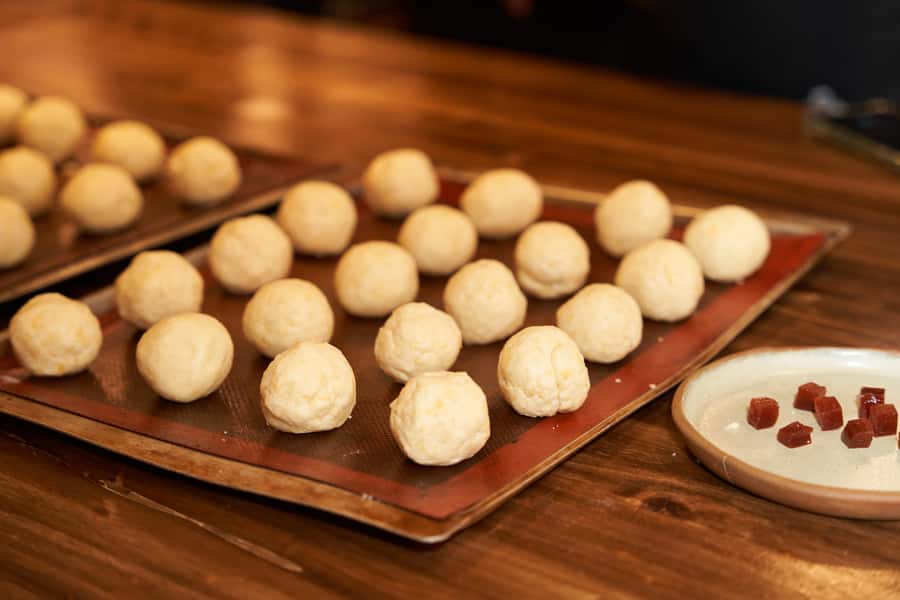
One of the best small touches here is that you receive recipe books in PDF format via QR code. That means you can recreate the dishes later without scrambling to take notes during the busiest part of the class.
You also get class pictures and local Buenos Aires recommendations tied into your take-home materials. It is a nice bonus for planning your next meals around the flavors you just cooked.
If you like doing one thing well during a trip, this helps. You do not waste time hunting for recipes after your week is over.
Group size reality check, and how the class keeps it fun
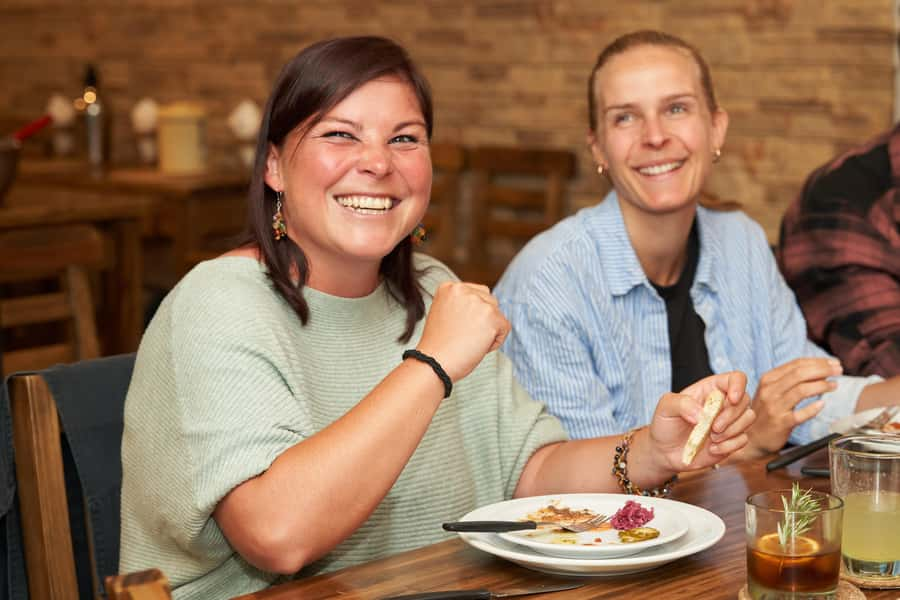
Pachamama is designed for small-group interaction. You will likely take turns assisting with prep and cooking, rather than owning a full station solo. That is not a problem, but it is the main trade-off if you were hoping for a personal, one-on-one cooking experience.
What helps is the way the team keeps things organized. In particular, the host Franco and his staff are described as friendly and professional, with an upbeat, capable rhythm that keeps everyone involved.
This style is ideal if you want to meet people and learn by doing. If you prefer quiet, independent cooking, you might find the shared format less satisfying.
Price and value: what $75 buys you in Buenos Aires terms
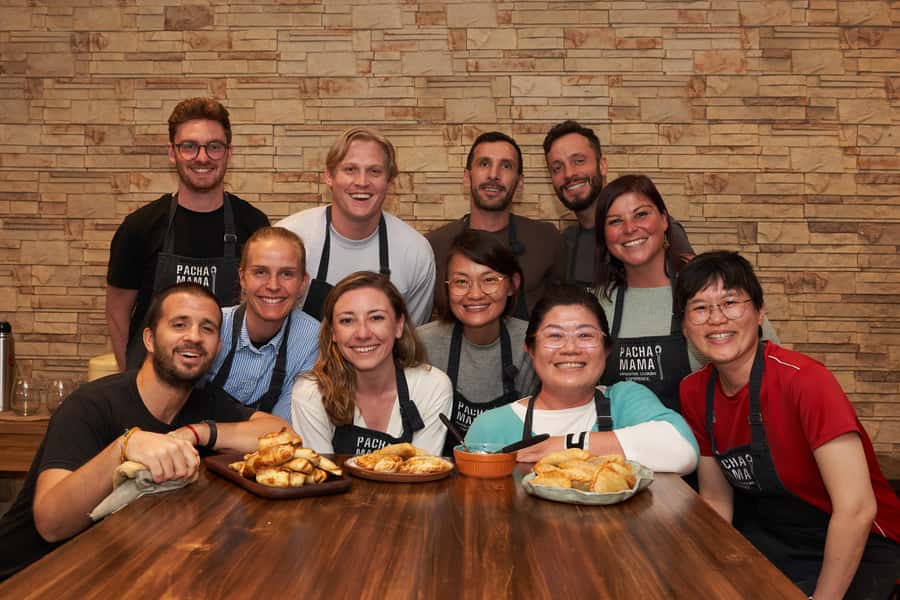
At $75 per person for about 3 hours, the value comes from the full meal structure. You are not paying for a few samples. You are paying for:
- A welcome picada
- A 5-step menu paired with Durigutti wine
- Multiple cooked recipes across snack, appetizer, main, and dessert
- Included drinks like vermouth, water, and homemade lemonade
- Recipe PDFs and class photos
It is also a good value because dietary needs are addressed. The class can be adapted for vegetarian, gluten free, and lactose free requirements. That reduces the risk of paying for an experience that you can only half enjoy.
If you are doing a Buenos Aires food plan anyway, this class functions like a built-in dinner. You can treat it as the meal anchor for that day.
Timing and logistics that affect your experience
The listed duration is 3 hours. The experience description also references a longer stretch of about 3.5 hours, and it notes it can be adapted to 2.5 hours for private groups. So your exact timing can depend on the group type.
Also, there is wheelchair accessibility. That is a big practical win because not every hands-on cooking experience is set up with accessibility in mind.
Finally, you will want to eat lightly before you go. You start with a picada, then you cook, then you sit down for the full pairing meal. It is an activity that fills you up in a good way, but you do not want to arrive starving or, worse, already overstuffed.
Who should book Pachamama?
This works best for you if you want:
- A hands-on Argentine cooking class with clear steps and a supportive team
- An evening that feels social, with a table meal at the end
- Argentine classics you can understand by cooking them yourself
- A wine and food pairing component, with Mendoza Durigutti included
It is also a smart pick if you have dietary restrictions like vegetarian or gluten free. The class can be adapted, which helps you stay included rather than watching everyone else eat.
You might choose something else if you need hotel pickup, or if you want a purely individual cooking session where you personally complete every step without taking turns.
Should you book Pachamama?
Yes, you should book it if you like learning through food and you want a Buenos Aires experience that ends with a real meal. The structure is built around action, then tasting, then sharing. You also get practical take-home materials through PDF recipes via QR code plus class photos.
If you are cautious about shared cooking, plan to embrace the group rhythm. You will cook and assist, but the experience is designed for collaboration, not solo ownership.
For most food-minded visitors, Pachamama is a high-satisfaction way to spend an afternoon, especially if you want chimichurri, empanadas, and dulce de leche in a format that teaches you how they fit together on a plate.
FAQ
How long is the Pachamama Argentine Cooking Experience?
The experience is listed as 3 hours. It can also be adapted to 2.5 hours for private groups.
What is included in the meal?
You get a 5-step menu paired with Mendoza Durigutti wines (Las Compuertas). Included courses include a welcome picada with preserves, pickles, and local bread, plus vermouth cocktail, chipá with sauces, beef empanadas with chimichurri, humita stew gratin, and flamed dulce de leche crepes with ice cream and homemade limoncello. Vermouth, water, and homemade lemonade are included as well.
Does the class accommodate dietary restrictions?
Yes. It can be adapted for vegetarian, gluten free, and lactose free needs.
Is hotel pickup or drop-off included?
No. Hotel pickup and drop-off are not included.
What language is the experience taught in?
The experience is given in English. For private groups, it can be held in Spanish.
Is it wheelchair accessible and how big are the groups?
It is wheelchair accessible. The experience is described as a small group limited to 10 participants.
Tour Reviews Around Buenos Aires

More Kitchens Worth an Afternoon
Just added in Buenos Aires
- Buenos Aires Tango Show and Dinner in El Querandi
★ 4.6 · 10 reviews - Buenos Aires: Classic Private City Tour
★ 4.7 · 11 reviews - Buenos Aires: Intimate Tango Experience
★ 5.0 · 11 reviews - Walking Tour: Buenos Aires bookstores
★ 4.3 · 12 reviews - 5hs Small Group City Tour of Buenos Aires with Street Food
★ 4.2 · 12 reviews
Buenos Aires Cooking Workshops, compared.
 ★ 4.8Empanadas and Alfajores Guided Cooking ClassFrom $37486 reviews
 ★ 4.6Empanada & Alfajor Cooking Lesson in PalermoFrom $49186 reviews
 ★ 5.0Buenos Aires Food Tour: Local Dishes, Steak, Empanada & MoreFrom $93118 reviews
 ★ 5.0BA: Empanadas and Alfajores Cooking Experience in PalermoFrom $49112 reviews
 ★ 4.8Argentinian Empanadas Cooking Experience in Palermo, Bs AsFrom $4650 reviews
 ★ 4.4Group tango class with mate and snacksFrom $2544 reviews
 ★ 5.0Private Argentine Cooking Class and Tango Lesson in Buenos AiresFrom $18237 reviews
 ★ 4.9Premium Empanadas Cooking Class & Wine Tasting ExperienceFrom $4935 reviews
Where this tour also appears