
REVIEW · WORKSHOPS
Buenos Aires – Private Tango lesson
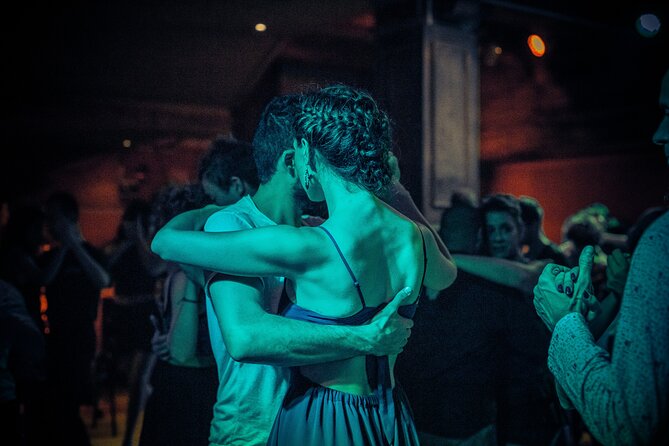
One hour of tango, right next to your hotel. This private tango lesson in Buenos Aires keeps things personal, not crowded, and the studio is picked as close as possible to where you’re staying. I like that setup because it makes tango feel like something you do with your body, not something you watch from a distance.
My favorite part is the teaching plan inside the hour. You’ll work the embrace, learn how to walk tango-style, go through the basic step, then add the fun moment most people recognize, the ocho, plus other moves depending on your level. Instructors such as Martín, Celeste, Joshua, and Gabriela show up in the same kind of coaching style, with clear guidance and a patient pace.
The main consideration is simple: 60 minutes goes fast. If you catch the tango bug, you’ll probably wish you had booked a second lesson.
Key things to know before you go
- Private, your group only: no mixing with strangers, and the pace stays focused on you
- Studio near your hotel: easier logistics than trekking across town
- All levels welcome: beginners get basics, and more experienced dancers get extra structure
- Core tango skills in one session: embrace, walking, basic steps, ocho, and more
- Coaching that adapts to your level: feedback is adjusted to your footwork and timing
- Bring comfortable shoes: you’ll be stepping a lot, and tango shoes can make it smoother
Other floors to learn the eight-count on
- Buenos Aires: Private Tango Lesson★ 4.9 · 244 reviews
- Tango Porteño Show with Optional Dinner and Tango Lesson★ 4.0 · 97 reviews
- Buenos Aires – Private Tango lesson★ 5.0 · 96 reviews
- Buenos Aires: Group tango class with mate and snacks★ 4.4 · 44 reviews
A private tango lesson that fits your day in Buenos Aires
Buenos Aires is tango country, but you don’t have to do it the hard way. This lesson is built for real learning, in a studio setting, with just your group. That matters because tango is partly technique and partly communication, and you need the time to feel both.
The biggest practical win is the location choice. The lesson takes place in a studio arranged to be as close as possible to your hotel area, whether you’re in Downtown, Palermo, and similar neighborhoods. That saves you from the classic Buenos Aires problem of “we meant to go, but the schedule fight got us.” You also avoid adding stress right before you start dancing.
It’s also designed to work for beginners and people with some dance background. If you’ve never danced before, you’ll still get the fundamentals and turn them into something coherent. If you already know some steps, the hour can still be technical, with corrections and progression.
Where the studio really is, and why that’s a big deal
The booking info comes with an important note: the studio location is not automatically the exact address you might see online. The provider arranges the closest studio to your hotel and confirms it with you. That’s not a problem, but it does mean you should send your hotel location so they can place you well.
In practice, I think the studio-near-your-hotel plan is what makes this kind of class feel doable. Tango lessons can be great, but only if you can arrive calm and ready. If you’re staying in Palermo, note that lessons in Palermo on weekends, or with less than 36 hours of notice, can be limited. If you’re eyeing a weekend slot, plan ahead.
You’ll also be close enough to public transportation that you can usually get there without a full transit plan. The class ends back at the meeting point, which helps keep the rest of your evening from turning into a guessing game.
How the 60 minutes is structured, from embrace to the ocho
This is a one-hour lesson, and the structure is the point. Instead of throwing random steps at you, the instructor builds a route through the basics and then connects them into dancing.
Here’s what you can expect the instructor to cover:
- The embrace: not just how to hold arms, but how to stay connected while moving
- How to walk: tango walking is its own skill, and it sets your balance and direction
- The basic step: the bread-and-butter pattern that lets you move confidently through music
- The ocho: the step many people want to learn first because it turns the dance from simple walking into recognizable tango
- More moves: depending on your level, you may add variations after the fundamentals click
The best part of this structure is that it gives you a feeling for tango rather than a checklist. Many people think tango is “just steps.” In reality, it’s posture, rhythm, and communication. When the instructor helps you correct your embrace, then applies that to walking and timing, your steps suddenly look less random and more intentional.
If you’re a complete beginner, the goal is to leave feeling like tango is something you can actually do. If you have dance experience, you’ll likely notice the lesson gets more technical, especially around posture, connection, and clean timing.
Other private days in Buenos Aires



Learning tango away from the tourist show vibe
Buenos Aires has plenty of tango options that focus on performance. This lesson takes a different approach: it’s about practice and coaching, in a studio environment where you can ask questions and get feedback.
That studio setting also tends to reduce the chaos factor. You’re not competing for attention, and you’re not trying to copy choreography you barely understand. The class is structured so you can repeat what you learn and start to feel the pattern in your own body.
A few instructors described by name in the feedback, like Martín and Celeste, also show up as patient and encouraging. People mention that the hour can feel both fun and informative, with instruction adjusted to your level rather than forced into one rigid track. That’s a big deal if your partner is a beginner too. In several cases, the lesson format helped at least one person who couldn’t really dance feel capable by the end.
Instructors, pacing, and clear feedback in understandable English
One of the strongest themes is instructor quality. The feedback repeatedly points to patience, clear explanation, and the ability to adjust the class to the group’s needs. Some instructors, like Joshua and Gabriela, are mentioned with English that’s easy to follow, which makes learning less frustrating and more enjoyable.
What I like about this is how it shows up in the lesson flow. You don’t just receive step instruction. You also get connection and posture cues, which are usually the part that trips people up. For example, several classes focus on walking and embrace details early, then add steps once your body can handle the basics.
Advanced dancers also have a path. One class described getting gentle feedback on fundamentals and then moving into more advanced steps. Another noted more technical work. That tells you the lesson isn’t only for beginners. It’s more like a training session that can scale.
One extra note from the feedback: some instructors take photos or videos during the class as a souvenir and try to share them. That can be a fun bonus, but it’s not something I would treat as guaranteed. If it matters to you, it’s worth asking at the start if you’ll actually receive the files.
Price and value: why $39 can be a smart tango move
At $39 per person for about an hour, this is in the category of “do it now, thank yourself later.” Tango tours can cost a lot more when you factor in show tickets, transportation, and the fact you might only watch rather than learn.
The private part is what drives the value. Even if you split the class cost with a partner, you’re paying for focused coaching. Group classes can be cheaper, but you often spend time waiting your turn instead of getting corrections in real time. Here, the lesson stays tailored to your level because it’s private.
Also, the “studio near your hotel” choice protects your time. Time in Buenos Aires can disappear quickly, and transportation delays can wreck your energy for a dance class. Paying $39 for a private lesson only feels good if you can actually get there smoothly, and the location plan helps.
If you’re debating between a tourist dinner and a tango lesson, I’d lean toward this kind of class. It’s hands-on, you leave with practice steps you can repeat, and you get feedback while learning. The hour might fly, but it’s more likely to leave you dancing instead of just entertained.
What to do before class so you don’t waste a minute
Don’t overthink it, just show up ready to move.
Here’s my practical prep checklist based on the info:
- Wear comfortable shoes: tango is all about foot placement and balance, so uncomfortable shoes can slow your progress
- Arrive a few minutes early: the studio address is arranged with you, so give yourself time to confirm you’re in the right place
- Share your hotel location: this helps them place you in the closest studio area
- Bring water if you plan to work more technical material: one of the lessons in the feedback suggested having water for intermediate moves
If you’re going as a couple, consider arriving with one simple goal: feel steady with the embrace and walk. Once you get that, steps like the basic and the ocho become way less intimidating.
If you’re going with a mixed group, the private format still helps. The instructor can slow down for beginners, while offering extra detail to someone with prior dance training.
Booking timing, hours, and planning for Palermo weekends
This lesson runs Monday through Saturday, roughly between 11:00 AM and 7:00 PM. Availability can be solid, but the booking pattern shows people tend to plan ahead, with an average booking window of about 34 days. If your dates are fixed, don’t leave it to the last minute.
If you’re hoping for Palermo on a weekend, note that studio selection can be limited in those cases, especially when booked with less than 36 hours of notice. If you want a specific neighborhood, book earlier or be flexible on the studio area they choose.
Confirmation is provided at the time of booking, so you should not be stuck wondering if your session is real. Still, keep an eye out for the final meeting details because the studio location is arranged.
Should you book this private tango lesson?
Book it if you want tango you can repeat. This is a private, coached class designed to take you from basics to recognizable steps in one hour, including the embrace, tango walk, the basic step, and the ocho.
Skip this type of lesson if you’re looking for a long party-like night or a full theatrical show. One hour is not a lifestyle change, even though you might wish it was.
My call: if you’re in Buenos Aires for just a few days, or you want a “do one real tango thing” moment that actually teaches you something, this is a strong pick. It’s well-priced for private instruction, the studio location plan makes logistics easier, and the teaching approach has a clear theme: patient coaching, practical steps, and a pace that keeps you moving.
FAQ
How long is the private tango lesson?
The lesson is about 1 hour.
Is this a private class or do I share with other people?
It’s private. Only your group participates.
Where does the lesson take place?
The instructor uses a studio arranged to be as close as possible to your hotel area (Downtown, Palermo, etc.). The exact location is arranged with you.
What are the lesson hours?
The class operates Monday through Saturday, roughly from 11:00 AM to 7:00 PM.
Do I need to book hotel pickup?
No. Hotel pickup and drop-off are not included. Transfers can be added for an additional fee if you contact them.
What should I bring?
Bring comfortable shoes so you can step and practice comfortably.
Is the lesson suitable for beginners?
Yes. Most travelers can participate, and the lesson is set up for learning basic tango steps, including the embrace and the basic step.
Are Palermo lessons always available?
Not always. Lessons in Palermo on weekends, or when booked with less than 36 hours of notice, can be limited.
What if the weather is bad?
If it’s canceled due to poor weather, you’ll be offered a different date or a full refund.
What is the cancellation window?
You can cancel for a full refund up to 24 hours in advance of the experience start time.
Tour Reviews Around Buenos Aires



More Floors to Learn On


Just added in Buenos Aires
- Buenos Aires Tango Show and Dinner in El Querandi
★ 4.6 · 10 reviews - Buenos Aires: Classic Private City Tour
★ 4.7 · 11 reviews - Buenos Aires: Intimate Tango Experience
★ 5.0 · 11 reviews - Walking Tour: Buenos Aires bookstores
★ 4.3 · 12 reviews - 5hs Small Group City Tour of Buenos Aires with Street Food
★ 4.2 · 12 reviews
Workshops, compared.
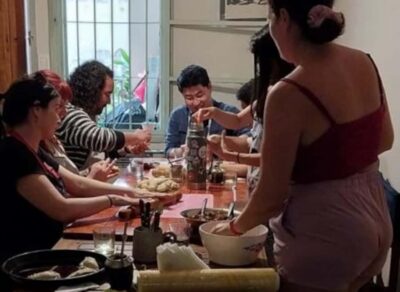 ★ 4.8Empanadas and Alfajores Guided Cooking ClassFrom $37486 reviews
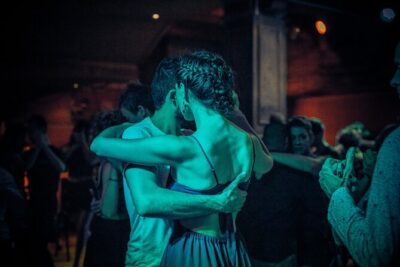 ★ 4.9Private Tango LessonFrom $39244 reviews
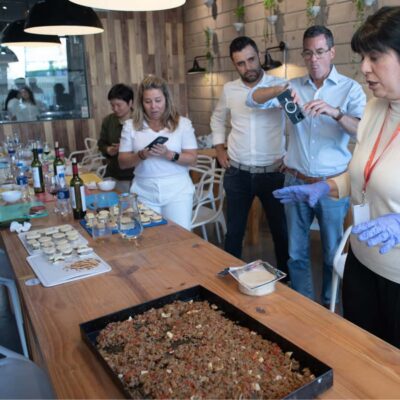 ★ 4.6Empanada & Alfajor Cooking Lesson in PalermoFrom $49186 reviews
 ★ 4.0Tango Porteño Show with Optional Dinner and Tango LessonFrom $3597 reviews
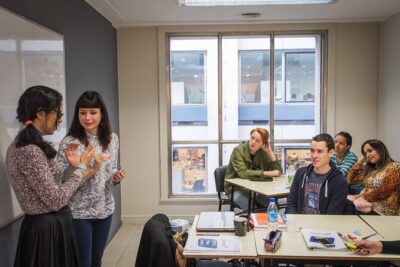 ★ 5.0Spanish Group Course in Buenos Aires, Argentina: 20 LessonsFrom $27572 reviews
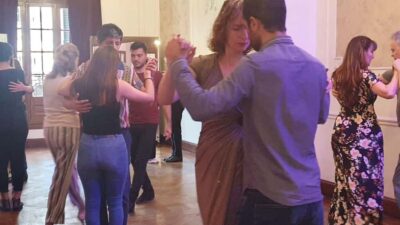 ★ 4.4Group tango class with mate and snacksFrom $2544 reviews
 ★ 5.0English Classes with Native TeachersFrom $2037 reviews
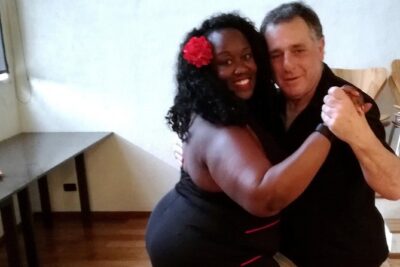 ★ 5.0Private Argentine Cooking Class and Tango Lesson in Buenos AiresFrom $18237 reviews
Where this tour also appears