
Death has style here. This two-hour, English-led visit turns Recoleta Cemetery into a story-driven art walk, not a gloomy stroll. I like how the guide brings emotions to the legends, and I also like the focus on sculpture and architecture over vague name-dropping. One thing to plan for: the cemetery entry ticket is extra and paid when you arrive.
You start at the door of Basílica Nuestra Señora del Pilar in Recoleta, with a quick 2-minute setup so the place clicks from the first steps. The guide, Gonzalo Escarguel, is clearly built for communication, with a mix of history, culture, and a little humor to keep the tone human. If you need fully accessible sensory input, note that this tour is listed as not suitable for hearing-impaired people.
The core experience is straightforward: you’ll visit around 35 mausoleums, while you pass many more of the cemetery’s nearly 5,000 vaults along the route. At $12 per person, the tour part is good value for structured guidance, as long as you budget the on-site ticket. If you dislike guided tours or just want silence, this may feel too talky for your taste.
Key things to know before you go
- Short, useful intro: you get about 2 minutes of background right at the entrance before you start walking.
- Pay the cemetery ticket on the spot: it is not included in the $12 tour price (current listed Sept 2024 fee is shown as 15 USD).
- Around 35 mausoleums up close: you do not try to see everything, you focus on major stops and real stories.
- High art emphasis: expect architecture, sculpture, and design details, not only biographies.
- English live guide: the tour is run in English, with an emphasis on expressing emotion and delivering stories.
- Wheelchair accessible: the activity is listed as wheelchair accessible, and you return to the same meeting point.
More marble and mausoleums in Buenos Aires
- Buenos Aires Bike Tour: North Districts, Recoleta and Palermo★ 4.5 · 91 reviews
- Recoleta Cemetery – Small Group Tour of History & Secrets★ 5.0 · 53 reviews
- Buenos Aires: Recoleta and Retiro Tip Based Walking Tour★ 4.7 · 50 reviews
- Cultural Experience by Bike around Palermo and Recoleta Max 6 ppl★ 5.0 · 44 reviews
Recoleta Cemetery as an open-sky museum, not a scary stop
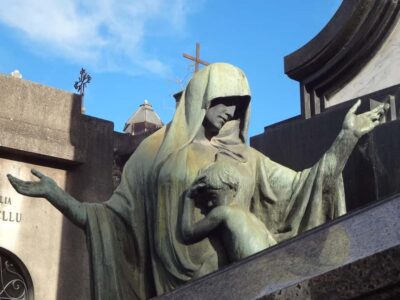
Recoleta Cemetery, Cementerio de la Recoleta, has a reputation for being dramatic. But what makes it work on a guided visit is how the art and design do most of the talking. You are walking through an outdoor gallery of mausoleums, where stonework, statues, and symbolic details shape the mood.
I especially like the way this tour frames the subject: “Beauty and art of death.” That sounds odd until you start seeing what’s actually there. You’ll hear legends and stories attached to notable people buried in the mausoleums, but you will also get enough context to read the architecture and sculptures as more than decoration.
The tone also matters. This tour is described as emotional, with a touch of humor. That balance helps you stay present with what you’re seeing, instead of treating it like a checklist of famous names. If you want a respectful visit that still feels alive, this approach fits.
Starting at Basílica Nuestra Señora del Pilar in Recoleta
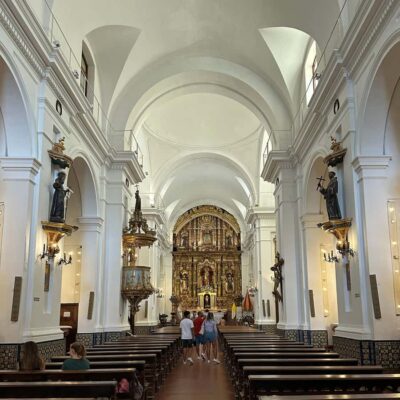
Your tour begins at a very clear place: the door of Basílica Nuestra Señora del Pilar in the Recoleta neighborhood. That helps because Recoleta can feel confusing at street level, with small lanes and busy pedestrian flows. Having a church door as the anchor is practical, and it also sets the cultural tone right away.
Before you move deep into the cemetery, you get a quick 2-minute background. It’s short on purpose. The goal is not to lecture you. It’s to give you the basic “how to look” lens so the first mausoleum stops land with meaning instead of just visual impact.
A useful human detail: you’ll be able to recognize the guide because their face appears in the tour photos. That sounds minor, but it can save you time at the start, especially if you arrive a bit early and want to avoid guessing who’s leading.
Ticket reality: the $12 tour price is only the guide experience
Let’s talk money honestly, because the cemetery adds a second cost. The tour price is listed as $12 per person, but the cemetery entry ticket is not included. As soon as you get in, you pay the ticket on-site.
The info you’re given for Sept 2024 shows the entry fee as 15 USD. Another line in the details also explains that the cemetery charges differently depending on ID status: foreign tourists show a rate listed as $14.320, while tourists with Argentine ID may be free of charge. Since the exact amount can vary by the cemetery’s current system, your best move is to treat the entry fee as an extra item you’ll pay when you arrive.
What about “skip the ticket line”? The tour description includes that benefit, and it’s worth taking at face value. You can still expect to pay the entry fee at the entrance, but you should have an easier path than a purely independent visitor.
From a value perspective, the math works best if you like structure. You’re paying for guided interpretation of art, stories, and architecture across roughly 35 stops. If you’re the type who would wander on your own for the same time, the value is more personal. If you want context so each mausoleum feels meaningful, the guide cost makes more sense.

The guided walk through about 35 mausoleums
This isn’t a “see everything” tour. The plan is to visit around 35 mausoleums and go deep enough to actually understand what you’re looking at. That matters in a cemetery this size. With nearly 5,000 mausoleums in total, trying to cover everything would turn into rushing, and you would miss the point.
As you move along the route, the guide also points out many other mausoleums you pass without stopping. That’s smart. You get the thrill of scale without losing your focus, and you start noticing patterns: styles, sculptural themes, and how families expressed status, faith, or memory through stone.
The storytelling component is central. You’ll hear legends and stories tied to the illustrious people buried in the mausoleums. But the tour doesn’t treat stories as trivia. It connects them back to architecture and sculpture, so you can look at a facade and think, This is how someone wanted to be remembered.
I also like the way this tour is described as designed to express and communicate emotions. Recoleta can feel cold if you treat it like a photo spot. Here, you’re guided into a more thoughtful pace, with a respectful but human tone.
Reading mausoleum architecture like a map
One of the biggest practical benefits of a guided cemetery tour is learning how to look. When the guide focuses on architecture and sculptures, you start noticing features you would likely miss alone.
As you visit the mausoleums, you’ll be listening for:
- How the building massing frames the viewer, like how a structure announces itself within the cemetery lanes.
- How sculpture placement works, statues as focal points rather than random ornaments.
- How symbols and stylistic choices connect to the stories you’re hearing.
This matters because Recoleta is visually dense. Without a guide, you might spend time trying to figure out which mausoleums are “important.” With the tour, “important” becomes clearer because you’re given a reason for paying attention.
The guide’s background also helps explain the lens. The description says Gonzalo Escarguel is from the heart of the city and loves architecture, history, and culture. That local passion typically shows up as more than facts. It shows up as knowing what details deserve attention and how to keep the pacing comfortable.
Legends and stories that keep the mood from turning stiff
A cemetery tour can drift into two extremes: overly solemn, or overly casual. This tour aims for something more balanced, with emotion and a little humor. That is a good combo for a place where the subject is death, but the material is art.
You will hear legends and stories connected to people buried here. The value is not only who they were, but how the stories clarify why certain monuments look the way they do. When you link narrative to sculpture and architecture, the visit stops being just “pretty stone.”
Another practical upside is that stories create a rhythm. Instead of walking from one mausoleum to the next with no anchor, you get a thread. That helps you enjoy the walk even if you’re not a hardcore cemetery fan.
And if you want to hear lots of stories, this is positioned as the right option. It’s not pretending every moment will be deep and intense. It’s designed to make you feel the legends rather than just list them.
Passing the almost 5,000 mausoleums without getting lost
You might wonder why the tour stops at around 35 mausoleums. The answer is the scale. With almost 5,000 mausoleums in the cemetery, the place is too big to “complete” in two hours.
What you get instead is a guided route that creates a sense of the whole. On the way, you’ll watch many other mausoleums pass by. That helps you grasp the atmosphere and the density of the collection, even if you are not reading every inscription.
This approach works well for most visitors because it keeps your time focused. You come away with both:
1) real interpretation at multiple key stops, and
2) the feeling of standing inside a much larger open-air world.
So you still get that wow factor of scope, without the burnout of trying to do everything.
How long the tour really is, and how to pace yourself
The tour duration is listed as 2 hours, with start times depending on availability. Two hours is a sweet spot for Recoleta. Long enough to cover a meaningful chunk of highlights, short enough that you are not exhausted before the best mausoleums.
Since you’ll be guided through architectural and sculptural details and listening to legends, give yourself mental permission to go a bit slower than you would on your own. The best part of cemetery art is in the small stuff: the way a statue is framed, the way a facade is built, the way symbolism shows up in stone.
One consideration: the tour is live and described as not suitable for hearing-impaired people. That suggests you should rely on clear audio during the guide’s storytelling. If you have hearing needs, plan accordingly.
Price, value, and what you’re paying for
At $12 per person, the tour price covers the guided experience, including historical context of the city and country and stories and legends connected to the mausoleums. It also explicitly emphasizes high art content: sculpture and architecture, plus emotion and a little humor.
Is it worth it? It usually is if you care about meaning, not only images. Recoleta is photogenic, but many visitors miss the “why.” This tour helps you translate stone into story, and it helps you translate story into visual detail.
The extra cost is the cemetery entry ticket. The tour data sets expectations clearly: you pay on entry, and Sept 2024 guidance shows a 15 USD figure. Foreign entry also appears tied to ID status, which can change the exact amount. For budgeting, treat the total as tour cost plus entry cost.
If you’re the kind of traveler who hates structured walking, then the guide might feel like the wrong match. If you want a guided route that prioritizes standout mausoleums and explains what you’re seeing, you’re paying for time and interpretation. That’s the value.
Who should book this Recoleta Cemetery tour
This is a great fit for you if you:
- like architecture, sculpture, and symbolism
- want legends and stories that connect to what you see in stone
- enjoy guided pacing, with emotion and a bit of humor
It may not be the best fit if you need a quiet, self-guided experience. You’ll hear stories and discussion, and the tour is geared toward communication and expression.
Wheelchair accessibility is listed, so mobility should not be a major barrier for most wheelchair users. Still, you’ll be walking through cemetery paths, so plan for a steady pace and time outdoors.
Practical tips to get more out of the 2-hour walk
Here are a few ways to make this visit land better, based on how the tour is designed.
- Arrive a little early at the Basílica Nuestra Señora del Pilar door. You’ll start with a short background, and you don’t want to miss the beginning.
- Budget for the cemetery entry ticket right away. The tour data is clear that the ticket is paid as soon as you get in.
- Bring a phone or camera, but don’t spend the whole time shooting. The most useful moments come when the guide points out architecture and sculpture details, then you look again with new context.
- Be ready for stories. This isn’t only visual. You’ll get legends tied to who’s buried here, so hearing the explanations is part of the product.
Should you book this tour?
Book it if you want Recoleta Cemetery to feel like an art-and-story experience, not just a photo stop. The big strengths are the guide’s emphasis on emotion and strong focus on architecture and sculpture, plus a route that covers around 35 mausoleums within 2 hours without trying to do the impossible.
Skip it if you prefer total silence, or if you need a tour style that works better for hearing-impaired participants. Also budget for the extra cemetery entry ticket, since the $12 price does not include that cost.
If you’re in Recoleta anyway, this is one of the better ways to turn a famous cemetery into something you actually understand.
FAQ
How long is the Recoleta Cemetery guided tour?
The tour lasts 2 hours.
Where do we meet?
You meet at the door of Basílica Nuestra Señora del Pilar in the Recoleta neighborhood, and the tour ends back at the same meeting point.
Is the cemetery entry ticket included in the $12 tour price?
No. The cemetery entry ticket is not included. You pay it as soon as you enter the cemetery.
How much is the cemetery entry fee?
The information provided lists a Sept 2024 price of 15 USD. It also notes that foreign tourists may have a fee listed as $14.320, while tourists with Argentine ID may be free of charge.
What language is the tour guide?
The live tour guide speaks English.
What does the tour cover inside the cemetery?
You visit around 35 mausoleums with guided talk about legends, stories, architecture, and sculptures, and you also see many other mausoleums along the way.
Is the tour wheelchair accessible?
Yes, the activity is listed as wheelchair accessible.
Does the tour skip the ticket line?
The tour description says it includes skipping the ticket line, though you still pay the entry ticket on-site.
Is it suitable for hearing-impaired visitors?
It is listed as not suitable for hearing-impaired people.
Tour Reviews Around Buenos Aires




More of Recoleta and Chacarita




Just added in Buenos Aires
- Velez Sarsfield Football Match
★ 5.0 · 3 reviews - Tango Show at El Querandi with optional Dinner
★ 4.2 · 3 reviews - Guided tour Boca Juniors Museum & Stadium + Caminito
★ 3.3 · 3 reviews - Tango Show at: MichelAngelo
★ 4.5 · 3 reviews - Buenos Aires: Rojo Tango Show with Optional Dinner
★ 3.4 · 3 reviews
Recoleta and Chacarita Cemeteries, compared.
 ★ 4.5Buenos Aires Bike Tour: North Districts, Recoleta and PalermoFrom $4591 reviews
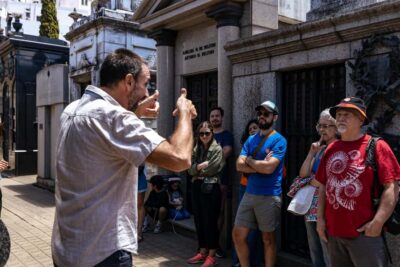 ★ 5.0Recoleta Cemetery – Small Group Tour of History & SecretsFrom $4953 reviews
 ★ 4.7Recoleta and Retiro Tip Based Walking TourFrom $150 reviews
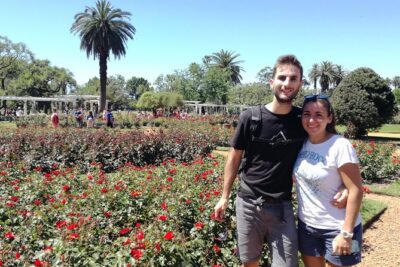 ★ 5.0Cultural Experience by Bike around Palermo and Recoleta Max 6 pplFrom $5444 reviews
 ★ 4.7Recoleta Neighborhood Walking TourFrom $9337 reviews
 ★ 4.6Discover Recoleta, Buenos Aires’ Little ParisFrom $5733 reviews
 ★ 4.9Recoleta & Cemetery for curious peopleFrom $3424 reviews
 ★ 4.5Full Day City Tour Buenos Aires, Recoleta Cemetery and TigreFrom $28515 reviews
Where this tour also appears