
REVIEW · WALKING TOURS
Buenos Aires: Recoleta Neighborhood Walking Tour
Recoleta feels like Paris without the flight time. This guided walk strings together the neighborhood’s most famous façades, art stops, and the Eva Perón crypt in a way that actually makes the city easier to read. My favorite part is how you get a plan and context fast, not just photos. The main consideration is that it is still a walking tour, so comfortable shoes matter.
You will meet right in front of the Cementerio de la Recoleta and then spend the first big chunk focused on the “mini-marble city” of mausoleums, where the stories are the point. Guides such as Anahi, Veronica, Micaela, Barbi (Barbara), and Florencia are repeatedly praised for being friendly, adaptable, and strong with English, so you are likely to get clear explanations and chances for questions. The day is designed for about two hours end-to-end, which is ideal when you are also juggling tango shows, neighborhoods, and long Buenos Aires lunches.
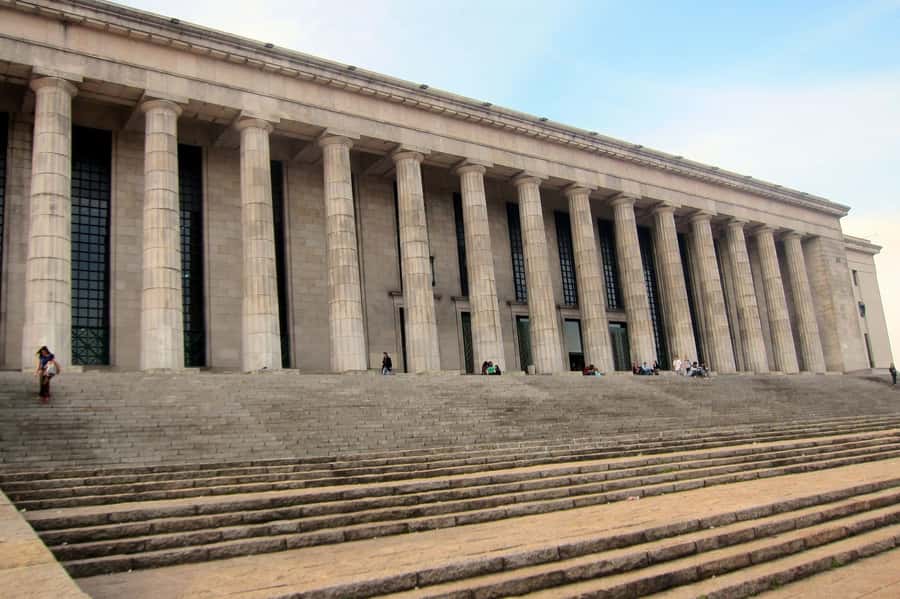
The walk then continues north to iconic architecture and landmarks, including Floralis Genérica, the Law school area of UBA, and the turn toward the museum district, ending at MALBA. You get a good taste of Recoleta’s aristocratic vibe, plus a practical route that keeps you moving without feeling rushed.
Key things that make this Recoleta walk worth your time
- Recoleta Cemetery with guided context, including where Eva Perón is laid to rest
- Skip-the-line entry, so you do not lose time to queues
- Floralis Genérica and Belle Epoque style architecture in one route
- Art stops built into the walk, from MALBA to Museo Nacional de Bellas Artes
- Short, focused street time at major landmarks, like UBA Law (Facultad de Derecho) and Palais de Glace
- Small-group feel in some sessions, which means more back-and-forth with the guide
More marble and mausoleums in Buenos Aires
- Buenos Aires Bike Tour: North Districts, Recoleta and Palermo★ 4.5 · 91 reviews
- Recoleta Cemetery – Small Group Tour of History & Secrets★ 5.0 · 53 reviews
- Cultural Experience by Bike around Palermo and Recoleta Max 6 ppl★ 5.0 · 44 reviews
- Buenos Aires: Recoleta Neighborhood Walking Tour★ 4.7 · 37 reviews
Recoleta start point: meeting by Cementerio de la Recoleta (and why it matters)
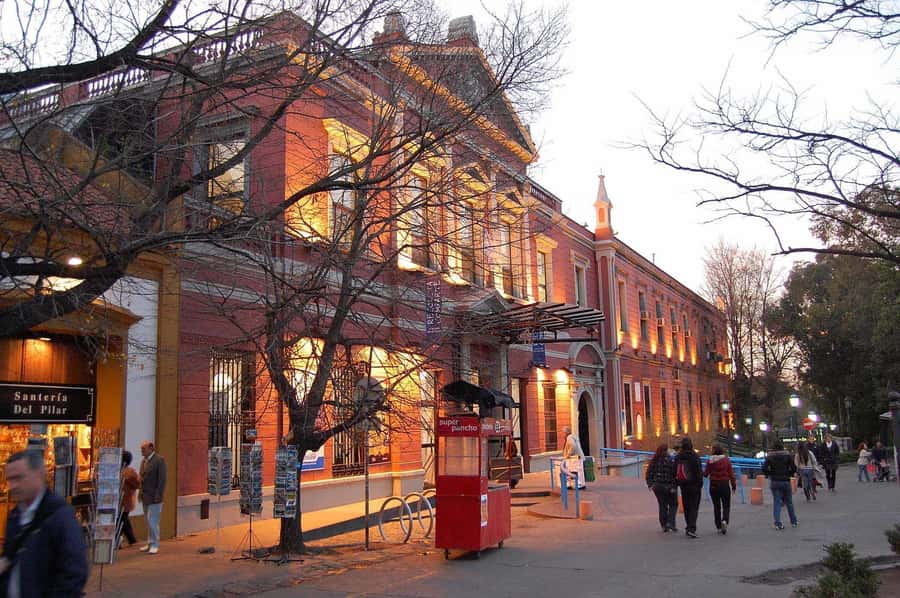
Your tour begins where Recoleta’s story is easiest to understand, outside Cementerio de la Recoleta. This is a smart setup because the cemetery is not just a stop, it is the neighborhood’s backstory machine. Before you even walk, you get a short orientation from the guide to help you spot patterns in the architecture and understand why these families wanted to build such lasting monuments.
From there, the tour keeps a steady rhythm. You do not hop randomly between far-apart places, you move along a logical corridor of Recoleta’s identity: elite residences, European-influenced buildings, and then the institutions and museums that give the area its present-day prestige. Even if you only have a short stay in Buenos Aires, this kind of guided structure is what turns a neighborhood from confusing to readable.
If you are arriving from elsewhere in the city, plan extra buffer. The meeting location is specific, and the tour starts on time. In one experience with Micaela, the guide was understanding when someone arrived late, but that is not something you should count on. Get there early, take a quick look around the entrance area, and you will start calmer.
The Recoleta Cemetery visit: skipping the line and learning the symbolism
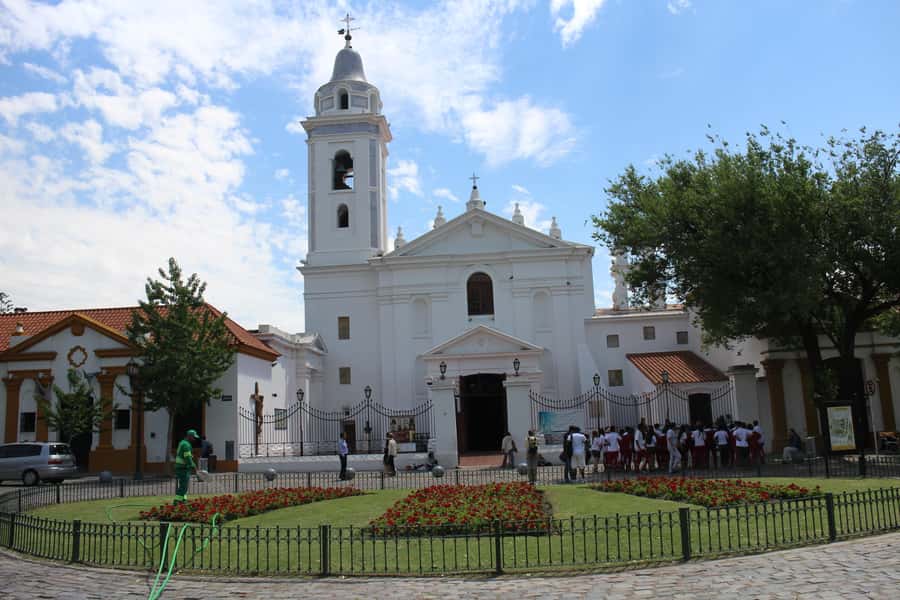
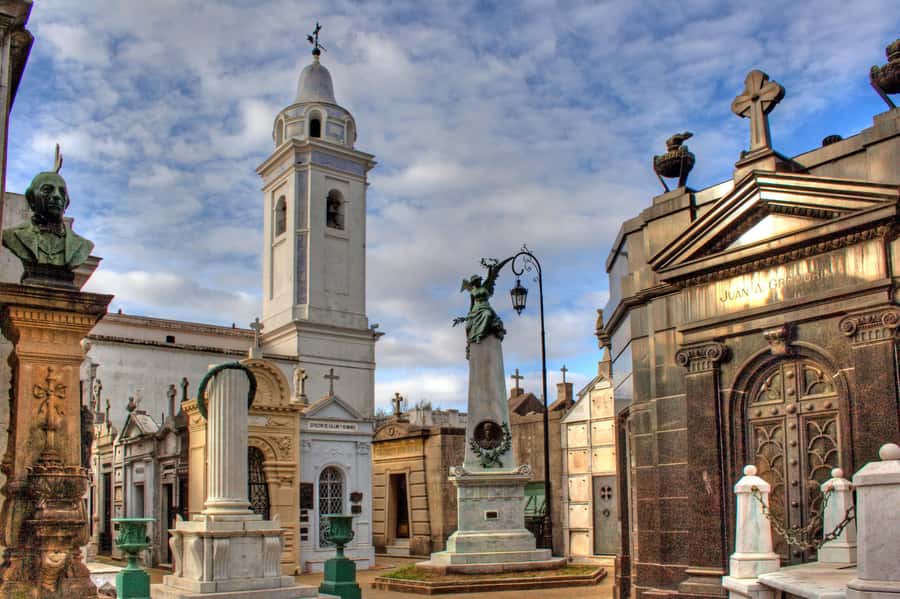
Once inside, the cemetery can feel like a city within a city. The guide-led format is what makes it work. Instead of wandering aimlessly among hundreds of tombs, you get a path, and you learn how to read what you are seeing: materials, styles, and the very intentional messages people placed in stone.
The tour includes a visit that centers on the most famous crypt, with the guide explaining the context around Eva Perón’s resting place. This is the kind of detail that changes the whole visit. You stop seeing mausoleums as just ornate decoration and start understanding them as a language, one built for memory, status, and belief.
You should also expect a decent time block in the cemetery. The plan calls for roughly a 45-minute visit before you continue on. That is long enough to see the major highlights without turning it into a sprint. If you like history that is tied to real places you can stand in, you will enjoy how the guide connects the cemetery to the neighborhood outside the walls.
And yes, there’s a practical bonus: the tour is designed to skip the ticket line, which helps a lot in a place where waits can easily eat into your schedule.
Eva Perón’s crypt: why it is the emotional center of Recoleta
Eva Perón is not a small footnote here. The tour specifically points you to where she is laid to rest on an ornate crypt, and that focus gives the cemetery visit a clear emotional anchor. When you know who you are looking for, you also understand why people come in the first place, and why Recoleta earned its reputation for aristocracy and spectacle.
What I like about this approach is that it does not treat the crypt like a quick photo stop. The guide frames it as part of a bigger story about Argentine society, memory, and public life. Even if you are not a hardcore political history person, the explanation helps you connect the names to the architecture.
You will see plenty of elaborate monuments during the cemetery walk, but the Eva Perón element gives you a way to anchor the rest of what you notice. It turns a confusing collection of stone into something you can follow, one scene at a time.
More of Buenos Aires on foot
From mausoleums to monuments: Floralis Genérica and the park feel
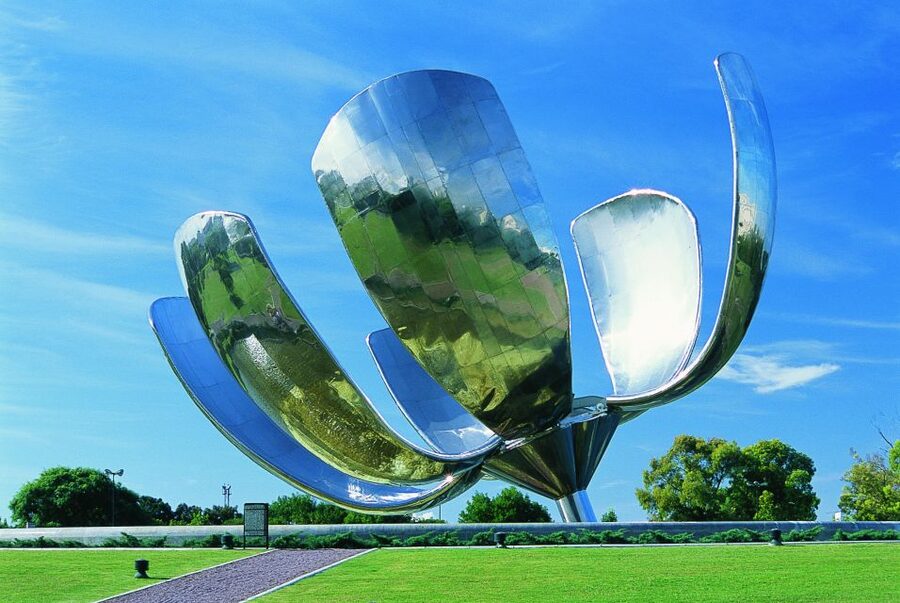
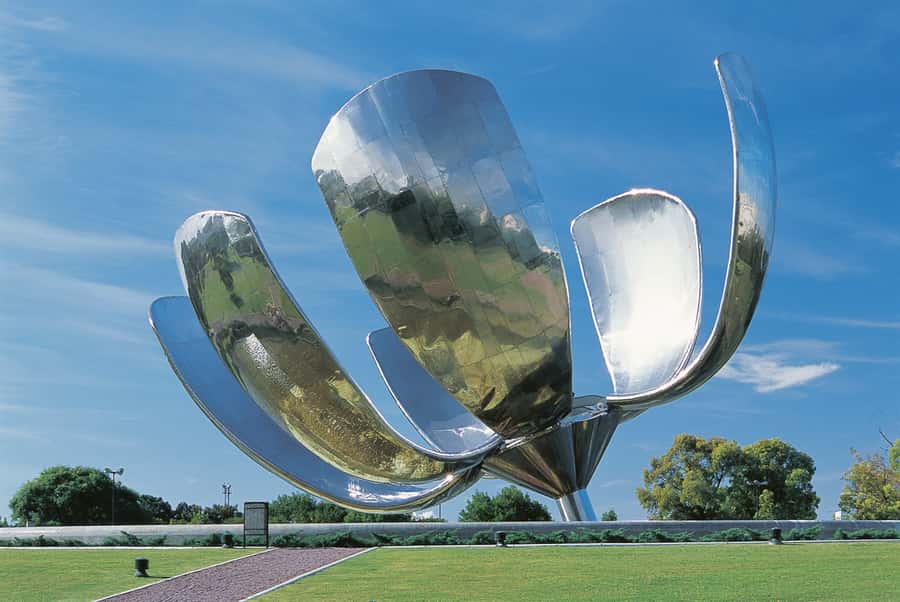
After the cemetery, the walk shifts from marble solemnity to the more open, public-facing side of Recoleta. Floralis Genérica is one of those landmarks that feels almost too photogenic, but it works because it sits in a larger urban environment. The guide helps you connect it to the surrounding park space and the feeling of planned city elegance.
You get a short, guided stop at Floralis Genérica, designed to be quick but meaningful. It is not just a picture, it is a moment to recognize how Buenos Aires mixes formal architecture with public sculpture. And because the tour keeps the walking segments controlled, you do not feel like you are dragging yourself across long distances.
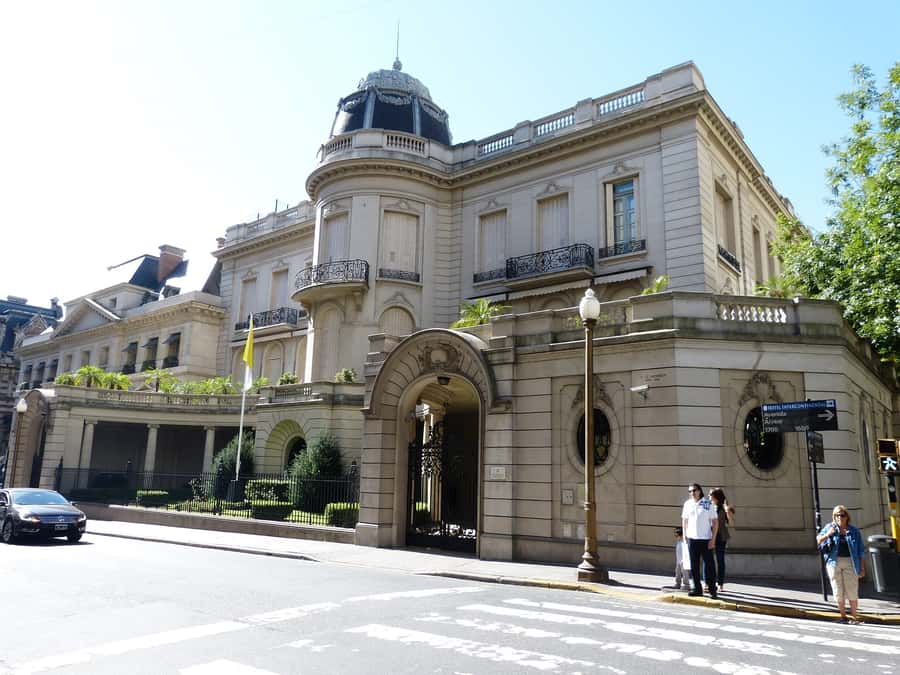
This is also where the tour’s Recoleta identity starts to click. The area has that French-influenced look, with grand building fronts and careful streetscapes. If you have been to Europe, you will see the references. If you have not, you will still understand the vibe instantly, like the city is borrowing from the Belle Epoque style world.
Art and museums on foot: MALBA and Museo Nacional de Bellas Artes
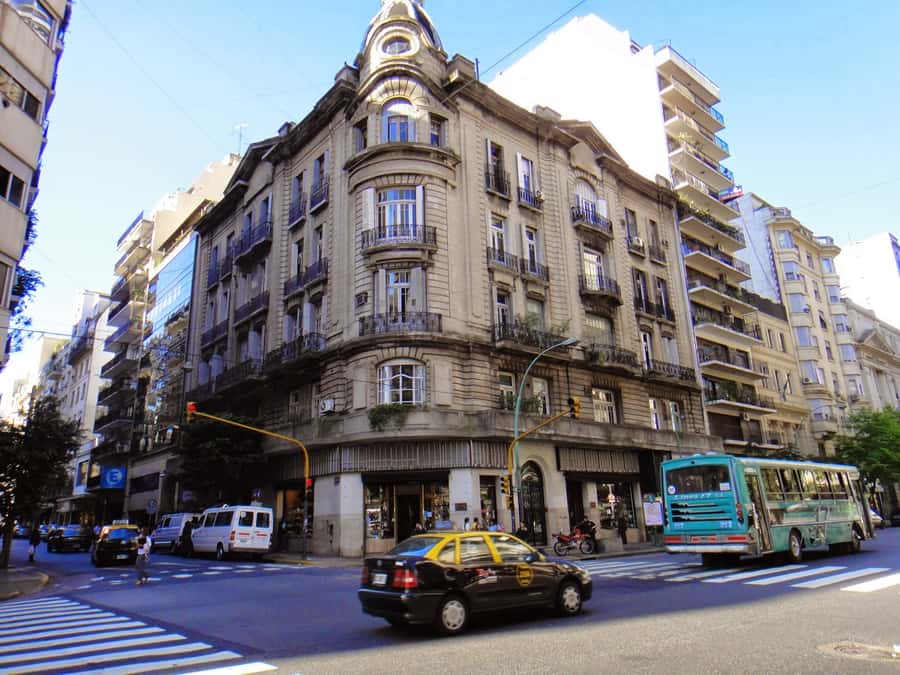
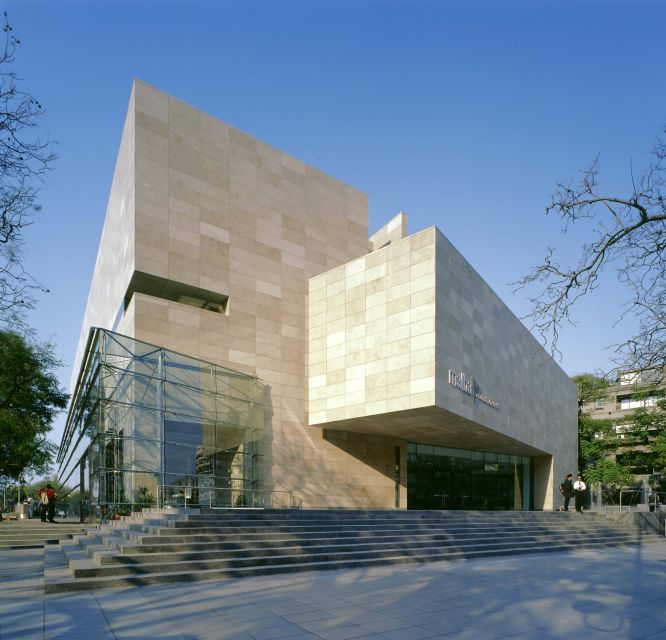
The tour folds in major art institutions without requiring a separate museum day. First up is MALBA, the Museum of Latin American Art of Buenos Aires, with a guided visit time built into the route. Then later you also visit Museo Nacional de Bellas Artes. Together, they give you two angles on the neighborhood: one focused on Latin American art history and the other on a more classical national art collection.
The practical value here is time. Instead of trying to pick one museum and risk missing the other, the tour gives you a planned taste of both. Even with short guided visits, you come away with a better sense of what each museum stands for and what you might want to see later if you return.
A possible drawback: if you are the type who likes to linger in galleries for an hour at a time, you might feel the museum stops are brief. That is not a flaw, it is the nature of a 2-hour walk. Think of these as guided samplings, then you decide later if you want a longer, self-guided return.
Still, if your goal is to get oriented fast and leave with a map in your head, these art stops are a win.
Belle Epoque architecture and institutions: UBA Law (Facultad de Derecho) and Palais de Glace
One of Recoleta’s tricks is that it is not only private elegance. It also has public prestige, and the tour makes sure you see that. The route includes the Facultad de Derecho (UBA), highlighting the impressive Law school structure and connecting it to the broader architectural mood of the area.
The time here is intentionally short but specific, and you can use it to spot why Recoleta looks the way it does. Large institutional buildings, formal facades, and carefully designed open spaces are part of the same system of status. The guide helps you connect the dots so you are not just staring at pretty stone, you are understanding what kind of power and planning shaped the streets.
Palais de Glace is the other major stop in this institutional zone. It is visited for a short window, enough to appreciate the structure and then move on. If you like architecture as a language, these quick points are satisfying because they add meaning without exhausting you.
La Recoleta Cemetery to La Biela: finishing the loop with a clearer mental map
The tour end point brings you back toward La Biela, which is a helpful detail for your timing and logistics. Once you have done this loop, you will have a better mental map of how Recoleta’s key sites connect. That matters because Buenos Aires can feel like a patchwork of distinct neighborhoods, and Recoleta is one of the most visually “European” ones.
La Biela gives you an easy landmark to regroup, and from there you can plan your next step. Many people use this kind of endpoint to continue exploring independently, grab a snack, or pivot to a museum visit they want to linger in longer.
In the end, this tour works because it does not leave you with a pile of random stops. It builds a route where each location explains the next. Cemetery to parks and sculpture, then to museums and institutions, then back to a recognizable meeting point.
Price and value: what $93 buys you in Recoleta time
At $93 per person for about two hours, the value depends on what you care about most. If you want an efficient orientation plus a guided interpretation of major sights, you are paying for someone to translate the city in real time. The tour includes a professional guide and is set up to skip ticket lines, which can save stress and time.
You also get bilingual support, with Spanish and English available. And the guide-led structure is a big deal at places like Recoleta Cemetery, where you can easily feel lost without context. The emotional and historical focus around Eva Perón is another reason this format feels worth the money compared to a DIY walk.
If your travel style is purely self-guided, you might prefer a map and a slower day. But if you have limited time and want Recoleta to make sense quickly, this price often feels reasonable.
Who this walking tour suits best (and who might want a different day plan)
I think this tour is a strong fit for:
- First-time visitors to Buenos Aires who want Recoleta fundamentals fast
- People who care about history and symbolism, not just photos
- Art lovers who want a guided taste of MALBA and Museo Nacional de Bellas Artes
- Travelers who like a light walking pace, since it is not described as an intense slog
You might want a different plan if you want long museum time in depth, or if walking for the full 2 hours feels like a stretch. Also, if your main interest is only one single site, like the cemetery alone, you might prefer a specialized visit so you can spend more time inside without the rest of the stops.
A few practical tips so your Recoleta walk feels easy
Bring your standard walking-day setup, comfortable shoes are non-negotiable in Recoleta’s sidewalks. If you visit in warmer months, add water and a hat, since you will be outdoors between stops. Cameras help, but keep your attention on what the guide is describing, especially during the cemetery segment. The beauty is obvious, the meaning is what takes practice to notice.
One small behavior tip: ask questions early. With guides like Barbi (Barbara) and Florencia mentioned as strong communicators, you are likely to get clearer explanations once the guide knows what you are curious about. If you are traveling as a pair or in a smaller group, you may even have more room for conversation than you expect.
Should you book this Recoleta walking tour?
If your goal is to understand Recoleta, not just pass through it, I would book it. The combination of Recoleta Cemetery with Eva Perón’s crypt, park landmark stops like Floralis Genérica, and art-and-architecture structure gives you a rounded picture in only about two hours.
Book it especially if you want:
- A guided plan that reduces decision fatigue
- Meaningful context at the cemetery, where DIY visits often feel confusing
- A walk that ends near a landmark you can use immediately after
Skip it if you are the kind of traveler who wants to linger for hours in one place. This is a moving, guided overview. Done well, it makes your later independent exploration far better, because you will recognize what you are seeing and why it matters.
FAQ
How long is the Buenos Aires Recoleta neighborhood walking tour?
It lasts 2 hours.
Where do I meet the tour guide?
You meet in front of the Cementerio de la Recoleta.
Where does the tour end?
The tour ends back at the meeting point area, near La Biela.
What is included in the tour price?
The tour includes a guide and a walking tour. It also includes skipping the ticket line.
What sights are part of the walk?
You visit key Recoleta area spots including the Museum of Latin American Art of Buenos Aires (MALBA), Floralis Genérica, Museo Nacional de Bellas Artes, Facultad de Derecho (UBA), Palais de Glace, and Recoleta Cemetery with the Eva Perón crypt.
What languages are offered?
The live guide is available in Spanish and English.
Is hotel pickup included?
No hotel pickup and drop-off are included.
Tour Reviews Around Buenos Aires



More of Recoleta and Chacarita


Just added in Buenos Aires
- Buenos Aires Tango Show and Dinner in El Querandi
★ 4.6 · 10 reviews - Buenos Aires: Classic Private City Tour
★ 4.7 · 11 reviews - Buenos Aires: Intimate Tango Experience
★ 5.0 · 11 reviews - Walking Tour: Buenos Aires bookstores
★ 4.3 · 12 reviews - 5hs Small Group City Tour of Buenos Aires with Street Food
★ 4.2 · 12 reviews
Walking Tours, compared.
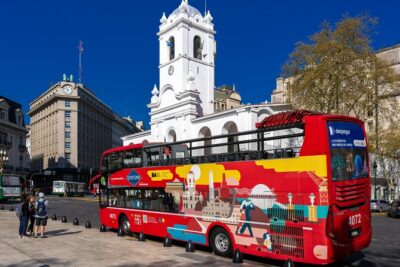 ★ 4.5Buenos Aires Hop-On Hop-Off Bus, Free Walking Tours & DiscountsFrom $392,218 reviews
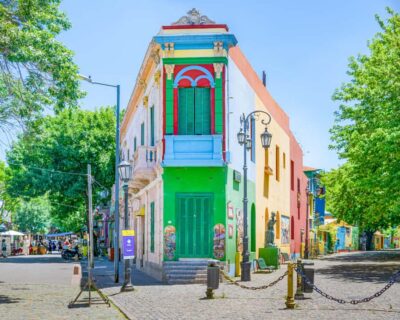 ★ 4.8La Boca Guided Walking Tour in EnglishFrom $131,587 reviews
 ★ 4.9Nazis in Buenos Aires: a historical walking tourFrom $25193 reviews
 ★ 4.7Personalized 2 to 8-Hour Private Walking TourFrom $37149 reviews
 ★ 4.8San Telmo and Market Guided Walking TourFrom $13102 reviews
 ★ 4.5Buenos Aires Walking Tour with Local Guide and Optional RooftopFrom $11187 reviews
 ★ 4.5Best of Buenos Aires Private Walking TourFrom $10973 reviews
 ★ 5.0Full Day Private Walking Tour of Buenos Aires NeighborhoodsFrom $13555 reviews
Where this tour also appears