
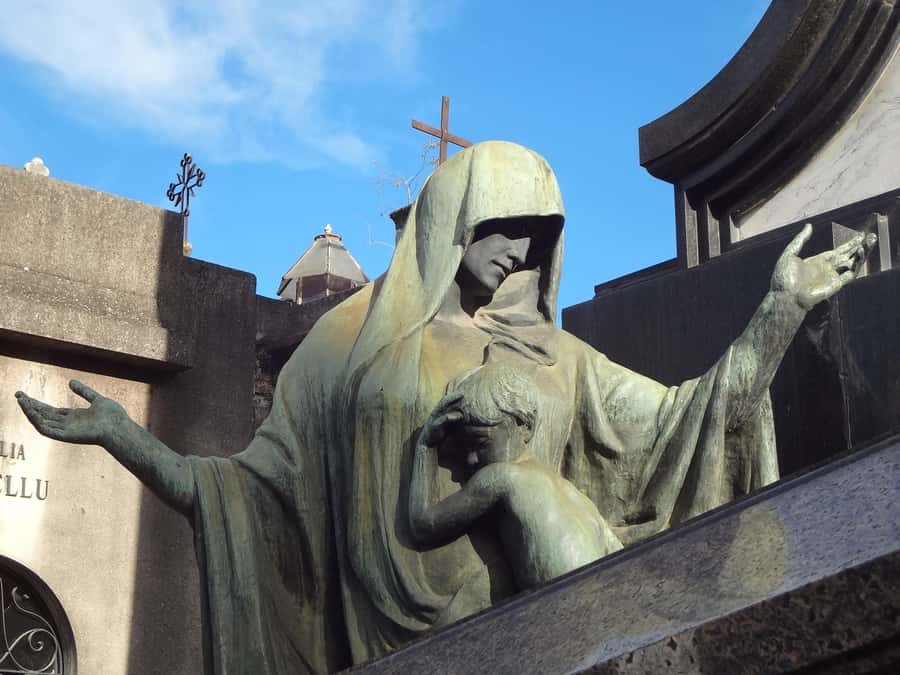
REVIEW · RECOLETA AND CHACARITA CEMETERIES
Recoleta & Cemetery for curious people
Dead quiet. Then the stories start.
This interactive Recoleta walk turns Buenos Aires into a living textbook, connecting Recoleta Cemetery with the city’s Gilded Age ambition. You move on foot from Plaza San Martín through high-society buildings, then end where memory is literally carved into stone.
I especially like the anthropological, question-driven approach. It is not just facts, it is discussion, with you nudged to think about who gets remembered and why. I also like the small-group energy and the way the guide keeps circling back to your interests.
One thing to consider: the cemetery entry is optional, and the ticket is not included, so you may need to plan one quick purchase if you want to go inside.
Key things to know before you go
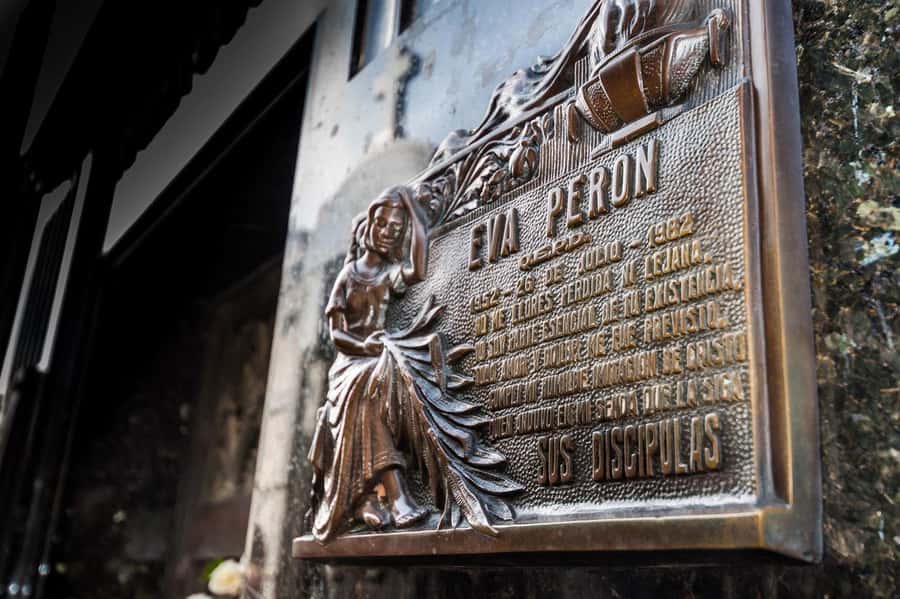
- Recoleta Cemetery from the outside in, then (if you choose) inside with a guided look at who is memorialized
- A walk timed to real landmarks, starting at Plaza San Martín and threading through famous buildings in Recoleta
- Three big themes, the Parisian illusion, the rise and fall of elite power, and the city of the dead
- Guides who handle individual questions, with humor and patience showing up again and again
- A manageable length (about 150 minutes), with a short break for water or snacks
- Cemetery tickets are separate, bought at the entrance or in advance
More marble and mausoleums in Buenos Aires
- Buenos Aires Bike Tour: North Districts, Recoleta and Palermo★ 4.5 · 91 reviews
- Recoleta Cemetery – Small Group Tour of History & Secrets★ 5.0 · 53 reviews
- Cultural Experience by Bike around Palermo and Recoleta Max 6 ppl★ 5.0 · 44 reviews
- Buenos Aires: Recoleta Neighborhood Walking Tour★ 4.7 · 37 reviews
Recoleta, where architecture becomes a clue trail
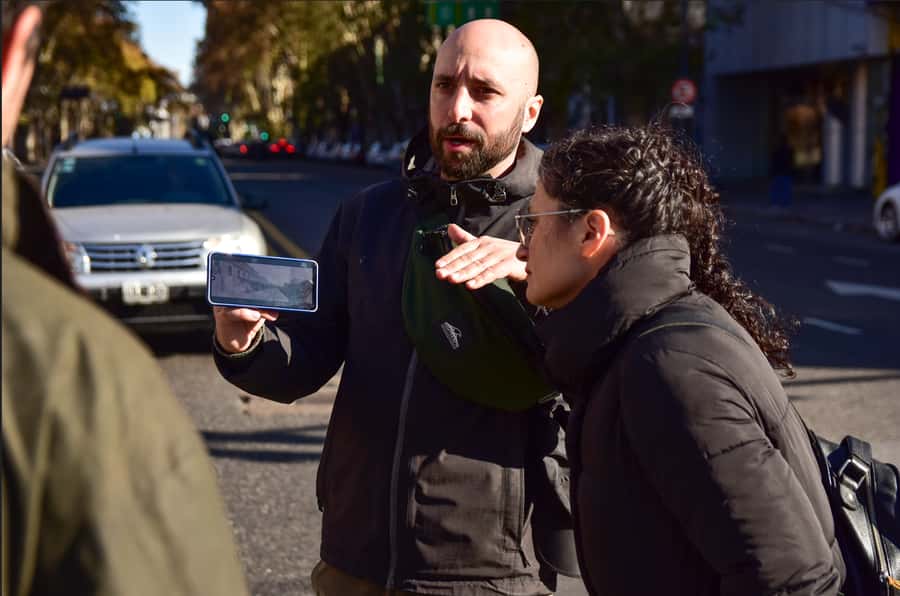
Recoleta is the kind of neighborhood that looks effortless at first glance, then starts talking once you know what to look for. I like how this tour gives you a simple way in: you begin near the Rapa Nui Store meeting point and quickly shift into a guided route where the buildings are not scenery, they are evidence.
You start in the Plaza San Martín area, where you get an orientation before the route tightens. The early minutes matter because you are not just wandering. The guide frames what you will see, then you build understanding as you go, with plenty of time to ask questions instead of rushing from one photo stop to the next.
From there, the walk turns into a series of contrasts, wide-open public space, then the more private world hinted at by grand façades and gated prestige. That contrast is one of the best parts of Recoleta, because it sets up the tour’s main idea: the city’s elite did not only build houses, they built stories about power, taste, and belonging.
Plaza San Martín to the cemetery route: how the walk stays interesting
This is a guided walk that moves at a human pace. You are not on a cramped bus, and you are not stuck standing in one spot. The format is built around short, guided stops, followed by a bit of walking, so the day stays light even when the topics get serious.
Along the way, you spend time around several recognizable landmarks in Buenos Aires. Depending on the pace of your group, you may see the kinds of details that most people miss, like how the elite clustered their institutions and prestige addresses, and how the city’s identity got shaped by wealth and aspiration.
You also get a short break, around a Carrefour Express stop, so you can reset before the cemetery portion. It is practical, and I like that it is built into the route instead of hoping you find a café on your own.
The final stretch leads you to the area where the neighborhood’s public face fades into the cemetery’s quiet focus. The route helps you arrive ready, not just curious.
Edificio Kavanagh, Torre Monumental, and the rest of the elite circuit
One reason this tour works so well is that it keeps you looking outward. You are not only learning about Argentina, you are learning how to read the city’s signals through architecture and placement.
At stops like Edificio Kavanagh and Torre Monumental, you get a chance to think beyond the postcard view. The guide’s approach is to decode what these landmarks say about ambition, modernity, and status. Even if you are not an architecture person, you can still follow the logic because the commentary stays tied to the same big themes.
The same idea continues with stops such as Mansión Estrugamou (Casa Basavilbaso) and Palacio San Martín. Here you start seeing Recoleta as a kind of map of influence. The grand homes and institutions are not random, they reflect how a small slice of society carved out space for power and display.
Then the tour threads through prestige landmarks like the Embassy of France, the Jockey Club, and the Palacio Duhau – Park Hyatt Buenos Aires area. The point is not that these places are famous, it is what fame signals in a city built by inequality and ambition. You start noticing how elite spaces and public narratives overlap, and how that overlap shaped Buenos Aires’ identity over time.
The Parisian illusion: why Buenos Aires wanted to look European
This tour’s first theme is the Parisian illusion, and it is a smart one for curious visitors. You will talk about how wealth and aspiration helped earn Buenos Aires its famous nickname, and how the elite used style and symbolism to project a European image.
What I like about this theme is that it makes the neighborhood make sense. Recoleta becomes less about individual buildings and more about a mindset. People were not only building homes, they were building legitimacy, and they were trying to link Buenos Aires to the cultural authority they believed came with Europe.
The guide keeps it interactive, meaning you are encouraged to question the story instead of swallowing it whole. You might find yourself asking, why Paris, why that look, and what did that choice cost the wider society? That is the kind of thinking that turns a walk into an actual learning experience.
Rise and fall: landowners, world-power dreams, and Argentina’s rollercoaster
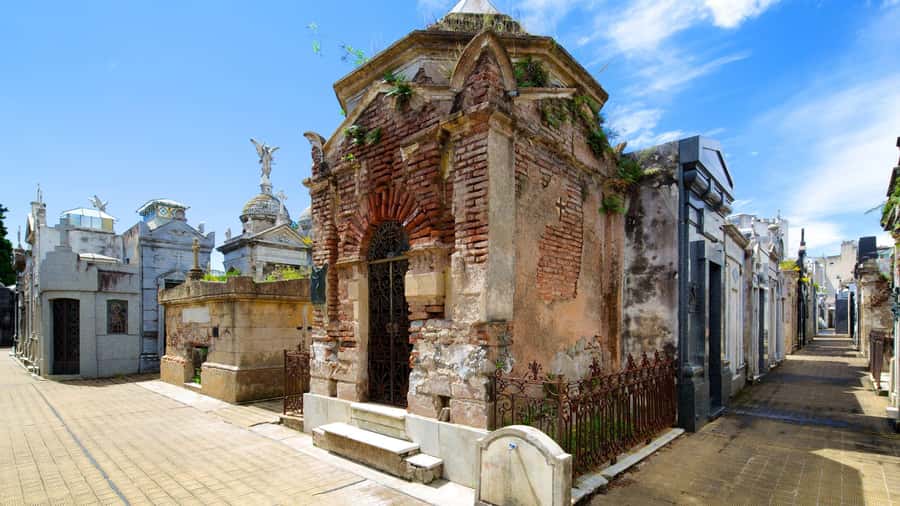
The second theme is Argentina’s rise and fall, tied to vast landowners and the country’s rollercoaster path toward world power. This is where the tour shifts from aesthetics to stakes, because the city’s fancy buildings connect to real economic and political force.
You discuss how power concentrated, how the elite shaped national direction, and why the dream of global prominence did not stay stable. The guide also keeps the conversation open, so when you ask a question, you usually get a grounded answer rather than a quick, vague summary.
I like that the tour does not treat Argentina’s story as a straight line. It presents it as cycles, ambition followed by stress, prosperity paired with inequality, and choices that echoed into the present. Even if you only remember one thing, the big takeaway is useful: modern Buenos Aires did not appear out of nowhere. It grew out of decisions made by a small group, then got interpreted by everyone else.
City of the dead: understanding Recoleta Cemetery as a social mirror
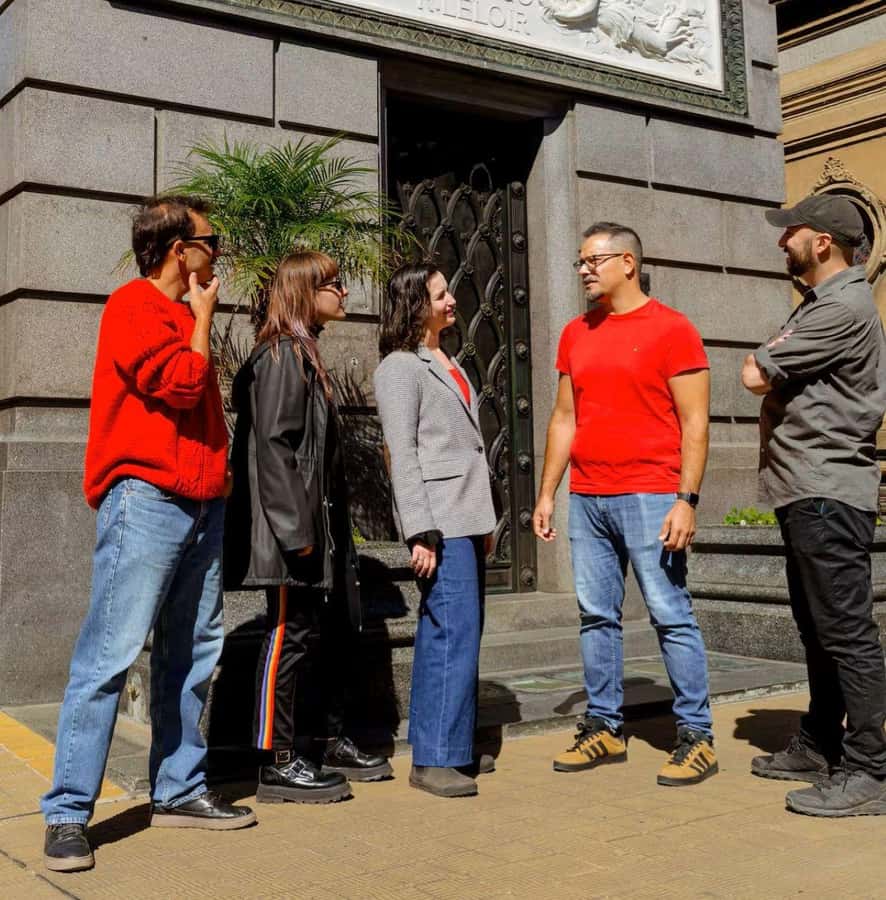
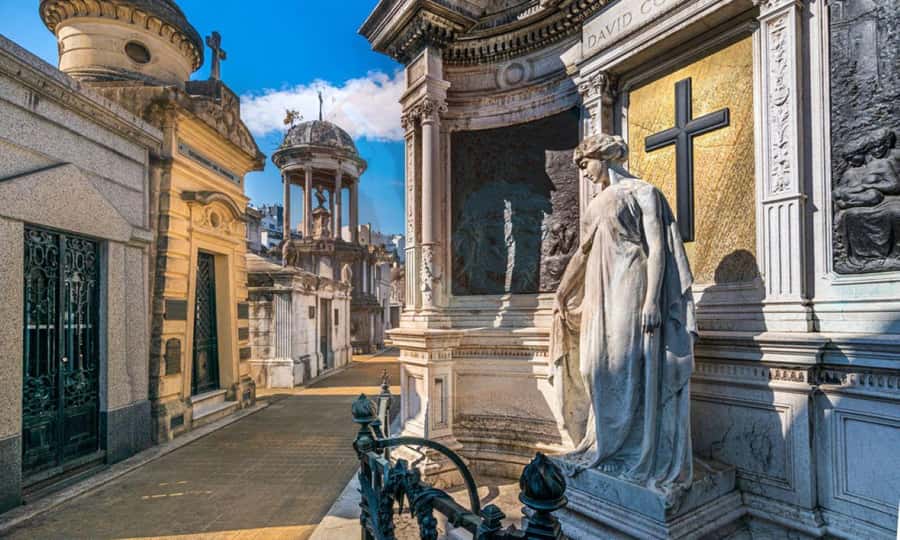
The cemetery portion is where the tour earns its name. Recoleta Cemetery can feel like a stop people rush through, or a place they visit for one famous person. This tour uses it differently, as a mirror of society.
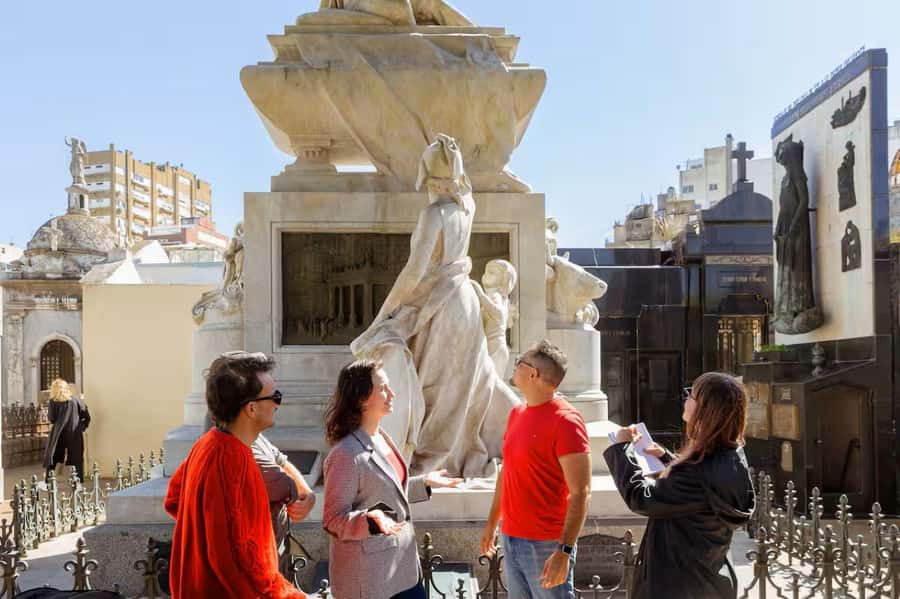
You are guided through the cemetery area for about 45 minutes. Actual entry is optional, and that choice can change your day. If you decide to go inside, you will want a cemetery ticket, which you can buy at the entrance or in advance online.
What you get from the guided portion is not just atmosphere, it is interpretation. The guide helps you look at questions like who is remembered, who is forgotten, and how the elite tried to control legacy. It is a careful way to talk about death without making it morbid, because the focus stays on social memory.
You will also talk about past, present, and future in Argentina’s capital, using the cemetery as the anchor point. That contrast is powerful. One minute you are learning about buildings and influence, the next minute you are seeing how influence survives through stone.
Guides who make the conversation feel personal
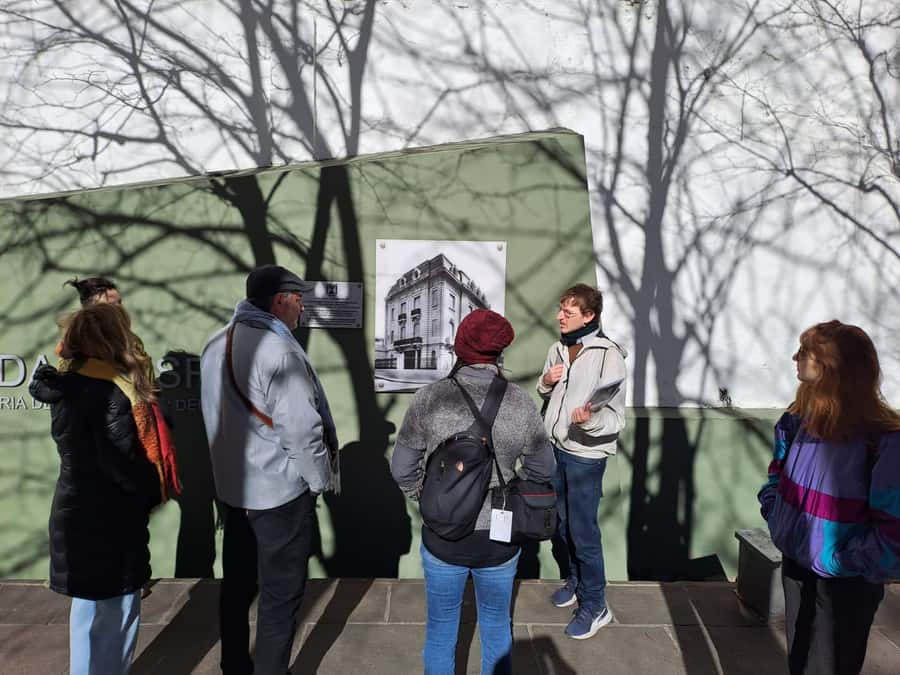
This tour is at its best because the guide can adapt to your interests and keep the group moving. In the reviews, names like Nicolas, also called Nico, and Ignacio show up as standouts. The common thread is humor mixed with real research, plus a willingness to answer individual questions instead of forcing everyone through the same script.
I also like that the guide seems to give you some control over pacing. In practice, that means if your group is curious about one theme, you are not automatically cut off. If the group wants to slow down for the cemetery atmosphere, the guide can adjust, within reason.
The tour runs in Spanish, English, and French, and the guide is described as having a university degree. That matters because you get discussion, not just a lecture voice. You are asked to think, and the guide is ready to explain why certain narratives are tempting, and why they might be incomplete.
Price and logistics: why $34 feels fair here
At $34 per person for about 150 minutes, this tour prices itself for people who want real guidance, not just a casual walk. The big value is that you get both city walking and guided discussion, with themes tying the route together.
One item to plan for: the cemetery ticket is not included. The tour covers the guided experience and the walk leading to the cemetery, but entry depends on whether you buy a ticket separately. That is a small added step, but it gives you flexibility, especially if you are not sure how long you want to spend inside.
The good news is that you can choose your level of commitment. If you are mainly here for the architecture and the themes, you can still enjoy the conversation. If the cemetery is the main reason you came, you will likely want to grab the ticket so you do not feel rushed.
You also have options for flexibility: free cancellation up to 24 hours in advance, and reserve now, pay later. Groups can be private or small, and the walk is wheelchair accessible.
Who should book this walk-and-cemetery combo?
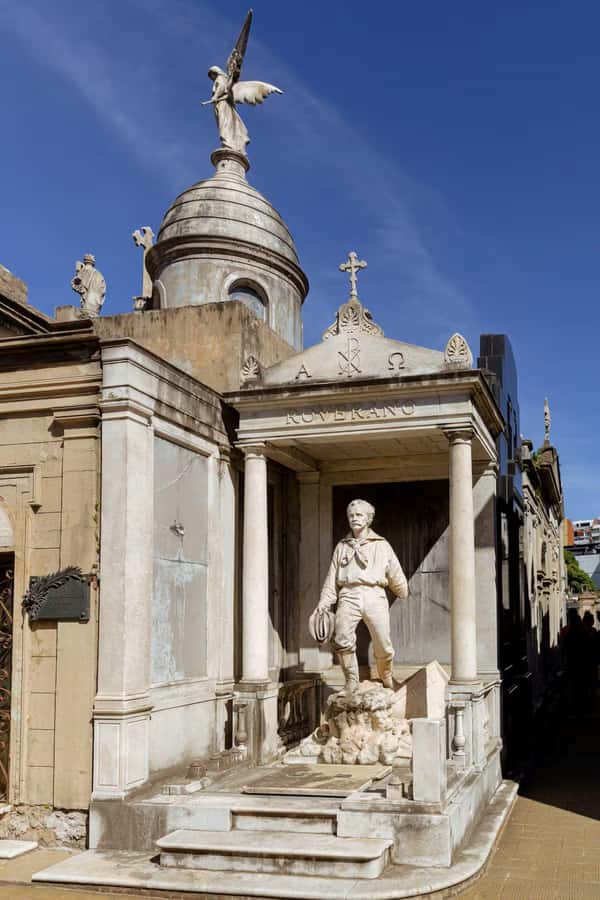
I think this tour fits best for three types of travelers.
First, it is perfect if you enjoy history but you do not want a lecture. You get dialogue, and the guide keeps you thinking about social power, memory, and symbolism.
Second, it is great if you want to see Recoleta beyond the obvious highlights. The route through Plaza San Martín and landmarks like Edificio Kavanagh and Torre Monumental gives you context, not just a photo.
Third, it works well if you are the kind of person who likes asking questions. The guides are praised for handling those questions with humor and patience, and that makes the experience feel more personal than a standard group tour.
If you dislike walking, or you want a strict, head-down pace with no conversation, you might find this format less appealing. But if you enjoy people talking and learning together, you will probably feel at home.
Should you book Recoleta & Cemetery for curious people?
If you want a Recoleta visit that connects buildings to big ideas, book it. This is not a checklist tour. It is a guided interpretation of Argentina’s elite world, and it uses the cemetery to raise questions about legacy that linger after you leave.
I would especially recommend it if your time in Buenos Aires is limited and you still want depth. In about 150 minutes, you get a clear route, multiple landmark stops, and a cemetery experience that explains what society was trying to preserve.
The only reason to skip is if you know you will not want to buy a cemetery ticket or spend time in a thoughtful guided setting. Otherwise, the price-to-experience ratio is strong, and the guide quality is a real selling point.
FAQ
Where does the tour start?
The meeting point is the Rapa Nui Store.
How long is the experience?
The duration is 150 minutes.
How much does it cost?
The price is $34 per person.
Are tickets for Recoleta Cemetery included?
No. Cemetery entry is optional, and the ticket is not included. You can buy it at the entrance or in advance online.
What happens if I choose not to enter the cemetery?
You still get the guided experience leading you toward the cemetery and the discussion themes, but actual entry into the cemetery is optional.
What languages are available?
The live guide speaks Spanish, English, and French.
Is the tour suitable for people who need wheelchair access?
Yes, the tour is listed as wheelchair accessible.
Is this tour private?
You can choose private or small groups available.
What is included in the price?
You get a guided walk through Buenos Aires plus discussion and interaction with a university degree guide.
Can I cancel for a refund?
Yes. You can cancel up to 24 hours in advance for a full refund.
Tour Reviews Around Buenos Aires



More of Recoleta and Chacarita



Just added in Buenos Aires
- Buenos Aires Tango Show and Dinner in El Querandi
★ 4.6 · 10 reviews - Buenos Aires: Classic Private City Tour
★ 4.7 · 11 reviews - Buenos Aires: Intimate Tango Experience
★ 5.0 · 11 reviews - Walking Tour: Buenos Aires bookstores
★ 4.3 · 12 reviews - 5hs Small Group City Tour of Buenos Aires with Street Food
★ 4.2 · 12 reviews
Recoleta and Chacarita Cemeteries, compared.
 ★ 4.5Buenos Aires Bike Tour: North Districts, Recoleta and PalermoFrom $4591 reviews
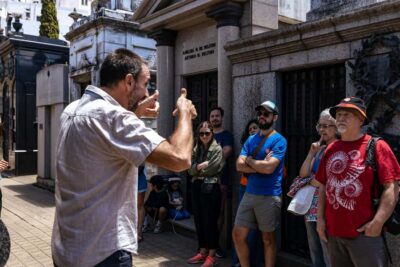 ★ 5.0Recoleta Cemetery – Small Group Tour of History & SecretsFrom $4953 reviews
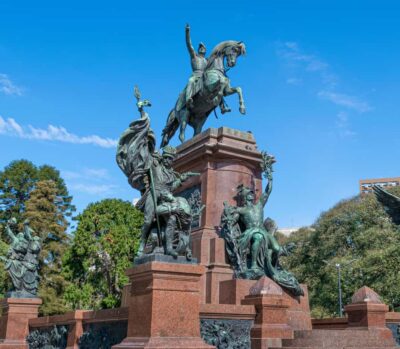 ★ 4.7Recoleta and Retiro Tip Based Walking TourFrom $150 reviews
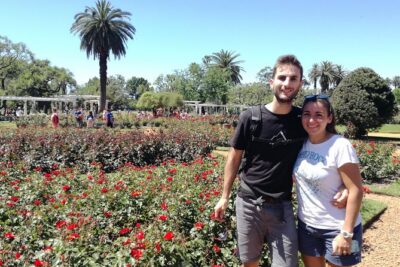 ★ 5.0Cultural Experience by Bike around Palermo and Recoleta Max 6 pplFrom $5444 reviews
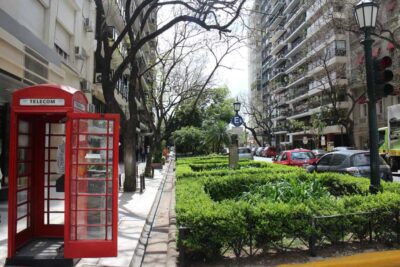 ★ 4.7Recoleta Neighborhood Walking TourFrom $9337 reviews
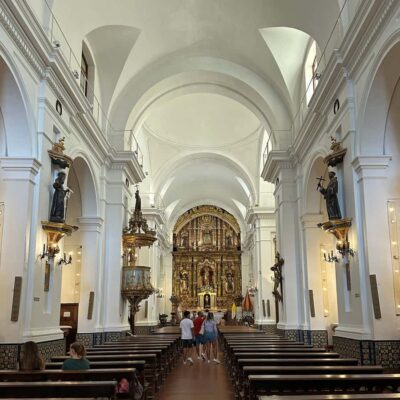 ★ 4.6Discover Recoleta, Buenos Aires’ Little ParisFrom $5733 reviews
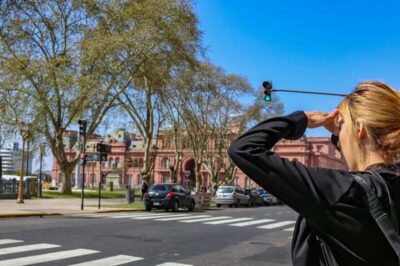 ★ 4.5Full Day City Tour Buenos Aires, Recoleta Cemetery and TigreFrom $28515 reviews
 ★ 4.6Private Recoleta Cemetery Walking Guided TourFrom $6913 reviews
Where this tour also appears