
REVIEW · PORTEñO PALACES AND THEATRES
100% History and architecture of Buenos Aires
Walking Buenos Aires, you hear politics in stone. This 2-hour guided experience focuses on Buenos Aires architecture and Plaza de Mayo landmarks, moving from the city’s historic center toward the Congreso de la Nación Argentina. You get a street-level, story-first route that makes the facades feel less like wallpaper and more like evidence.
Two things I really like: the way the walk ties buildings to big moments, and the fact that you get an included visit with entrance to the Cathedral and Chapter. It also helps that the guide is both friendly and well-prepared, which matters when you are trying to make sense of a lot of architecture in a short time.
One consideration: the tour guide is Spanish only, and the meeting relies on finding your guide at the start. I’ve seen at least one account where the guide did not show up at the agreed time, so I’d plan to arrive a bit early and be ready to message or call if you have that option.
Key highlights you will feel right away
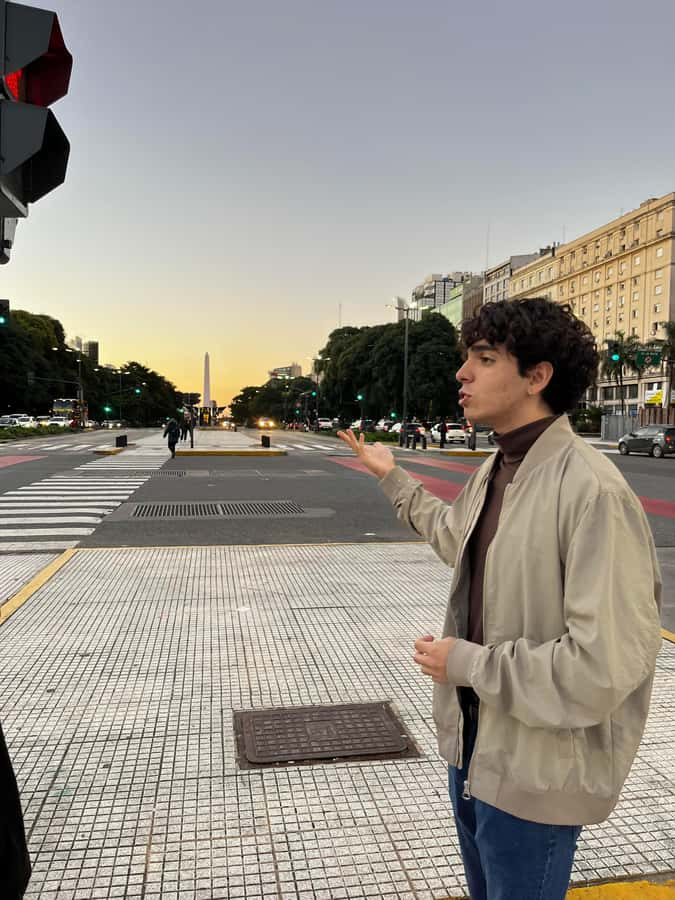
- Plaza de Mayo as your anchor for Argentine history and major political events
- Avenida de Mayo’s European street feel, with centuries-old buildings to interpret
- Cathedral and Chapter entrance included, so you get inside heritage rather than just looking
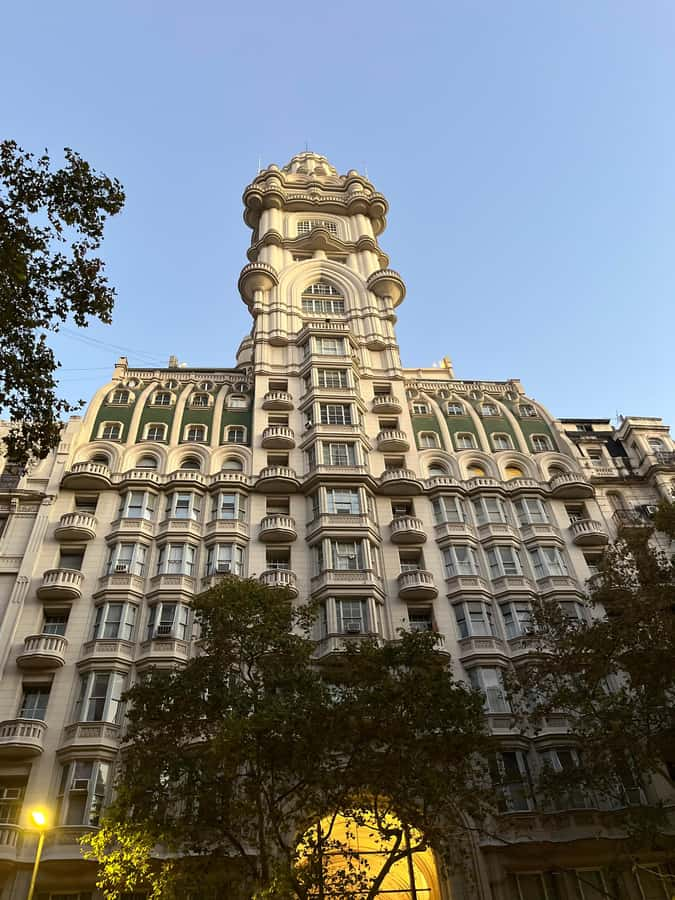
- Cafe Tortoni and Barolo Palace stops, great for spotting signature details as you walk
- A clear endpoint at the National Congress, a strong architectural and civic finale
- Private group format, which usually means you can ask questions without shouting over the crowd
Behind a few more velvet ropes in Buenos Aires
- Buenos Aires: Teatro Colon Guided Tour★ 4.3 · 571 reviews
- Classic City Tour of Buenos Aires: Neighborhoods and Emblems★ 3.8 · 282 reviews
- Teatro Colon Guided Tour Admission Ticket★ 4.0 · 208 reviews
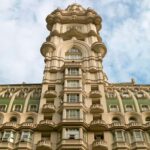
- Buenos Aires: Palacio Barolo Entry Ticket and Guided Tour★ 4.3 · 193 reviews
Buenos Aires in 2 hours, from Plaza to Congress
If you only have a short window in Buenos Aires, this kind of architecture and history walk is a smart use of time. The route is built around three big ideas: start where the nation’s story hits the pavement, walk along one of the city’s most impressive avenues, then finish at a building designed to look like democracy in stone.
The pacing also makes sense. You spend dedicated time around Plaza de Mayo and then shift to Avenida de Mayo for about an hour. That split matters because the neighborhoods around those streets each have their own visual “language.” Plaza de Mayo is official and symbolic. Avenida de Mayo is more like a grand promenade of façades, with a more European flavor.
And since it is a guided tour, you are not stuck trying to “get it” by yourself. You can look at a building and understand why it looks the way it does, and what the city was trying to project when it was built.
Plaza de Mayo: where the city turns official
Plaza de Mayo is the obvious start for a reason. It has the kind of gravity that makes the rest of the center feel organized around it. You begin at the Pyramid of May, and that spot is an instant visual clue that you are in the political and historical core of the city.
From there, you get a guided focus on the area’s landmarks and what they represent. You will spend time here both at the start and again later on the route, which is helpful because Plaza de Mayo can feel like a lot at first glance. With the guide’s narration and time to look, you start noticing patterns: the way important buildings face the square, the sense of “ceremony” in the layout, and how the surrounding streets funnel you back into the center.
What you should watch for in the square
You will likely see architectural signals that point to authority and continuity. Keep your eye on:
- Monumental massing, meaning buildings that look solid and permanent on purpose
- Symmetry and repetition, common in civic architecture
- How the square’s edges frame sightlines, almost like the city is directing your attention
If you like history that feels physical, Plaza de Mayo is where that happens.
More of the century that built Buenos Aires

The Cathedral and Chapter entrance: worth more than another photo stop
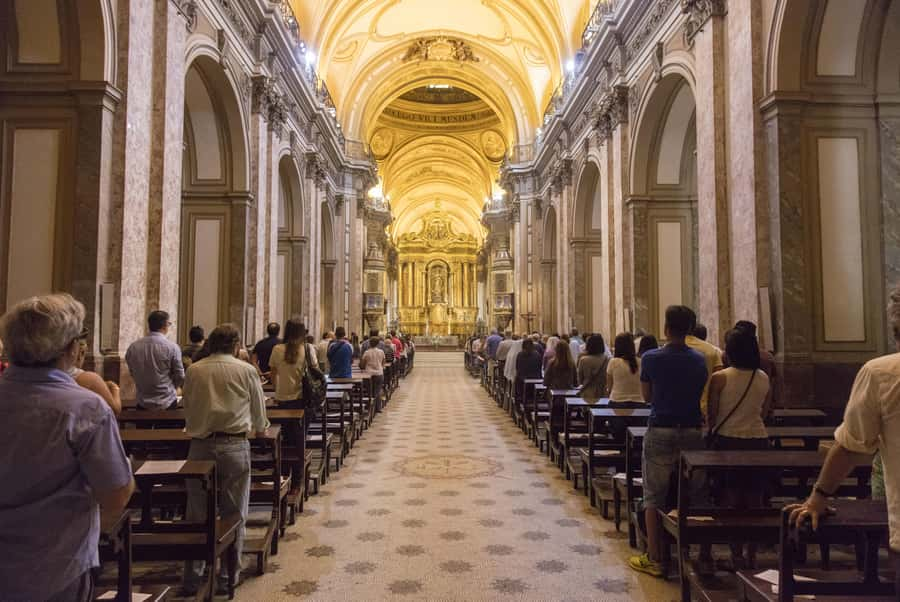
One of the most practical perks here is that the tour includes entrance to the Cathedral and the Chapter. That turns the experience from “walk and point” into “walk and actually go inside.”
Why does that matter? Because architectural storytelling gets real when you can experience scale and materials up close. From the outside, most big religious and civic buildings read as impressive blocks. Inside, you start to understand the craftsmanship and the design logic.
Even if you are not a church-history superfan, it is still a chance to:
- Slow down for a set amount of time
- See the contrast between exterior form and interior space
- Learn what the guide thinks are the key details worth noticing
A tip that will save you time
Wear comfortable shoes, because even a “short” architecture tour can mean steady walking plus stop-and-stare time. If you want photos, take them quickly at a glance, then let the guide talk while you look with your eyes, not your camera.
Avenida de Mayo: European charm, Argentine ambition
After the plaza time, you move to Avenida de Mayo for about an hour of guided walking. This is the part where Buenos Aires can feel like it is wearing a fancy coat. The street has that grand-avenue rhythm: tall façades, formal buildings, and a strong sense of planned urban style.
The guide’s job in this stretch is especially valuable. Without context, it is easy to just say, “Nice buildings.” With context, you can connect architectural choices to the city’s aspirations during the period when these streets were becoming showpieces.
Avenida de Mayo is also a perfect street for noticing how architecture can be a mood. You get a change from the symbolic openness of Plaza de Mayo to a more linear experience, where each block is like a page in the same chapter.
Cafe Tortoni and Barolo Palace: details to spot while walking
The tour highlights include Cafe Tortoni and Barolo Palace. You may not spend hours inside places like these on a 2-hour route, but you can still get real value by treating them as “detail stops.”
Cafe Tortoni
Cafe Tortoni is one of those Buenos Aires institutions people talk about for a reason. Even if you only glance at it during the walk, focus on the façade and the street presence. In places like this, the building’s role is part of the story, not just the architecture.
If you are a coffee-and-people-watching person, this stop also gives you an optional next step. Once you are there, you can decide whether you want a break afterward.
Barolo Palace
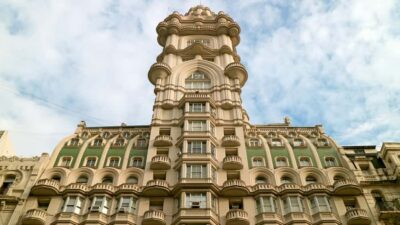
Barolo Palace is the kind of building that makes you want to look up. For this tour style, the best move is to keep your attention on how the building’s design communicates identity. Without needing a long explanation, you should leave with a clearer sense of what makes it distinctive, visually and historically.
If you love architecture that rewards observation, these two highlights are your “payoff” moments between major squares and civic landmarks.
Back to Plaza de Mayo: second look, better understanding
You return to Plaza de Mayo for another guided hour. That sounds like repetition until you think like a visitor. The square is not a museum room. It changes in meaning depending on what you have just learned walking toward it.
This second pass helps you connect the architecture you saw on Avenida de Mayo back to the official heart of the city. You start to see the square as more than a backdrop. It becomes a reference point for why certain buildings and streets matter.
How to make your second hour more useful
Try this simple approach:
- Pick one building to understand deeply, not ten to skim
- Let the guide explain, then compare what the guide said with what you see
- When you leave, you will remember fewer things, but they will stick
That is the best way to make a short tour feel longer in your memory.
Congreso de la Nación Argentina: the civic finale
The walk ends at Congreso de la Nación Argentina. Finishing at a national landmark is smart, because it gives the history story a clear last chapter. The Congress building is about civic identity, and it is hard not to feel that when you reach the structure.
By this point, you have already been trained to “read” architecture. So the Congress is not just a landmark you pass by. It becomes a capstone: the idea of democracy translated into design.
Take a moment at the end to look around instead of snapping one final photo and rushing off. This is your best chance to absorb the scale and the setting.
Price and value: why $12 can work (if your expectations fit)
At $12 per person for a 2-hour experience, the value can be solid, especially because entrance to the Cathedral and Chapter is included. For many city walks, you only get narration. Here, you also get at least one structured interior component.
That said, you should match your expectations to the format. This is not a multi-hour museum day. It is a guided walk with focused stops and interpretation. If you want hours of indoor exploration, you will still want a separate plan for museums. But if you want orientation plus context fast, this price point can feel fair.
Also, it being a private group matters. In theory, it gives the guide more room to answer questions and keep your experience on track. In practice, it can also mean you are less likely to feel like you are being carried along with a crowd.
Meeting point reality: the black umbrella system
The meeting point is specific: in front of the Pyramid of May, with a black umbrella. The provided note includes WE ARE SWELL, which is basically your clue that the guide will be easy to spot if you look for the umbrella and the group.
Here is the practical way to handle this:
- Arrive a few minutes early so you are not scanning the square while anxious
- If your guide does not appear quickly, use any contact method you were given at booking time
- Keep an eye out for the umbrella first, then the faces
Because the start is that identifiable, you can reduce stress a lot. Still, I’d take the caution seriously about a no-show report I’ve seen in an account tied to this activity. That one problem is enough to justify extra preparation on your end.
Timing and pace: what 2 hours feels like on foot
The total duration is 2 hours, with guided time across Avenida de Mayo and Plaza de Mayo. That means you should expect steady walking plus structured stops.
This pace is best for visitors who:
- Like history, but do not need to read every plaque
- Enjoy architecture when someone points out what to notice
- Prefer guided orientation over self-guided wandering
If you move slowly due to fatigue, consider planning lighter activities the rest of the day. It is short, but it still adds up physically.
Language and group format: who it suits best
The live guide is Spanish. If you do not speak Spanish, you might still enjoy the architecture, but you will lose the story layer. This tour seems designed for people who want the guide’s explanations to guide what they see.
The tour is wheelchair accessible, and it is a private group. That is good news if you want a more controlled pace or you travel with mobility needs. The private format can also help if you are traveling with family or want to ask questions without feeling rushed.
Who should book this tour
I think this works especially well if you:
- Are visiting Buenos Aires for the first time and want a fast orientation
- Want history explained through buildings and city planning
- Like classic Buenos Aires landmarks such as Cafe Tortoni and Barolo Palace
- Want a short, guided plan instead of piecing together multiple stops alone
It might not be your best fit if:
- You only travel in English and cannot follow Spanish narration
- You want lots of time inside many sites beyond the Cathedral and Chapter
- You dislike meeting points that depend on visually spotting a guide at street level
Should you book 100% History and Architecture of Buenos Aires?
If your goal is to understand Buenos Aires quickly, this is a strong option. The combination of Plaza de Mayo, a guided walk on Avenida de Mayo, and an end at the Congress gives you a satisfying arc, not just a random list of sights. Add entrance to the Cathedral and Chapter and the $12 price starts to look practical for what you get.
My one “be smart” recommendation is about the meeting point. Show up on time or early, watch for the black umbrella, and have a backup plan to contact your guide if something goes sideways.
Book it if you want a short, story-led architecture walk with clear landmarks and good value. Skip it if you need English-only guidance or want long indoor time at multiple attractions.
Tour Reviews Around Buenos Aires
Buenos Aires in Marble

Just added in Buenos Aires
- Velez Sarsfield Football Match
★ 5.0 · 3 reviews - Tango Show at El Querandi with optional Dinner
★ 4.2 · 3 reviews - Guided tour Boca Juniors Museum & Stadium + Caminito
★ 3.3 · 3 reviews - Tango Show at: MichelAngelo
★ 4.5 · 3 reviews - Buenos Aires: Rojo Tango Show with Optional Dinner
★ 3.4 · 3 reviews
Porteño Palaces and Theatres, compared.
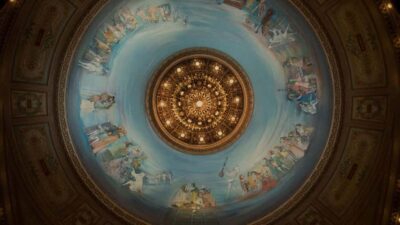 ★ 4.3Teatro Colon Guided TourFrom $49571 reviews
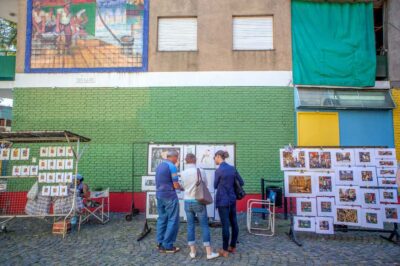 ★ 3.8Classic City Tour of Buenos Aires: Neighborhoods and EmblemsFrom $45282 reviews
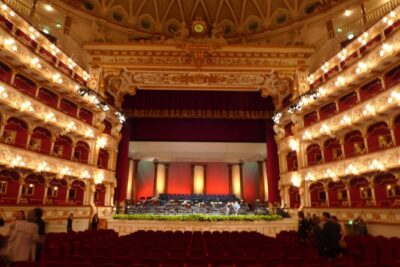 ★ 4.0Teatro Colon Guided Tour Admission TicketFrom $46208 reviews
 ★ 4.3Palacio Barolo Entry Ticket and Guided TourFrom $67193 reviews
 ★ 4.2Experience Teatro Colon : Secure your Tour today!!!From $4866 reviews
 ★ 4.4Palacio Barolo Guided Night Tour with WineFrom $9054 reviews
 ★ 4.9Historic Buenos Aires Landmarks & Icons TourFrom $2037 reviews
 ★ 4.9Walking City Tour with Colón Theater & MuseumsFrom $5814 reviews
Where this tour also appears