
REVIEW · PALERMO GRAFFITI AND MURAL WALKS
Palermo SoHo for curious people
Soho in Buenos Aires has a secret agenda. This walking tour uses an anthropologist-style approach to Palermo SoHo, so you spend 2 hours asking questions, not just collecting photos. I like that it moves beyond the trendy facades and keeps the focus on why this neighborhood turned into the city’s tastemaker.
Two things I especially like: you get real conversation about gentrification, plus how economic forces show up in rent, cafés, and daily life. You also get an immigration story that you usually miss, with stops tied to Ukrainian, Polish, and Armenian community history. A possible drawback: the format is interactive and talk-forward, so if you want a quiet walk with zero back-and-forth, this may feel too chatty.
Key highlights to look for on the walk
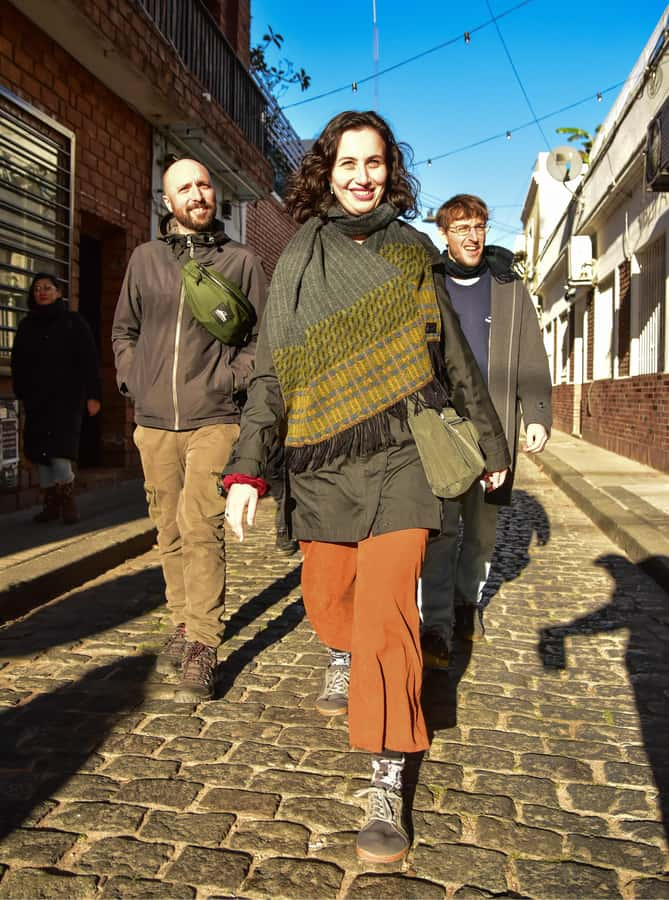
- Anthropologist-led Q&A that connects streets to social change, not just sightseeing
- Gentrification explained on location, with the Argentine peso and real estate speculation as the thread
- Immigration history stops tied to Ukraine, Poland, and Armenia
- Transit clues about trains and trams, linked to the neighborhood’s origin
- A practical mid-walk break at Helados Italia, so you can keep energy up
Deeper into the Palermo murals
- Palermo: Graffiti and Street Art Guided Tour in English★ 4.8 · 684 reviews
- Buenos Aires: Empanada & Alfajor Cooking Lesson in Palermo★ 4.6 · 186 reviews
- BA: Empanadas and Alfajores Cooking Experience in Palermo★ 5.0 · 112 reviews
- Buenos Aires Bike Tour: North Districts, Recoleta and Palermo★ 4.5 · 91 reviews
What makes this Palermo SoHo walk different from a regular wander?
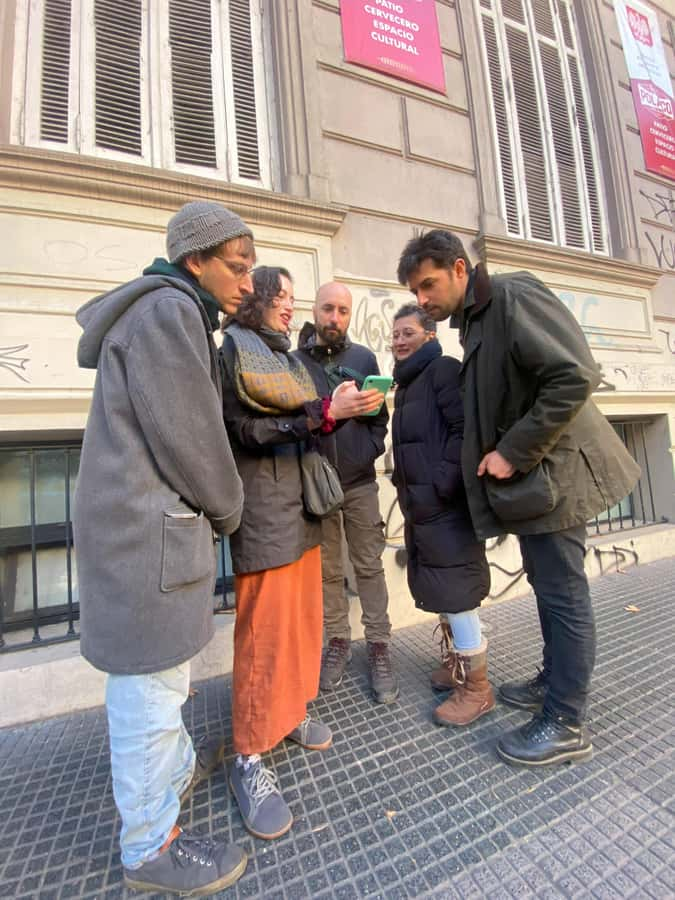
Palermo SoHo is the kind of place where you can walk for hours and still not understand what you are seeing. This tour tackles that problem with a simple method: you stop, look closely, and then the guide frames it as a social story.
The guide is an interaction-first kind of teacher. When you ask why one block feels different from the next, you are not shut down. You are pulled into the bigger idea. That is why the experience feels like a street-level lesson, not a headset lecture.
I also like the honesty of the focus. You will talk about the “cool” reputation of Palermo SoHo, but you will also connect it to displacement pressure and change over time. It is not just nostalgia. It is cause and effect.
Price and timing: $25 for 2 hours of neighborhood meaning
At $25 per person for a 2-hour walk, the value comes from the guide format. You are paying for a real back-and-forth discussion with a university degree guide, not for a long list of monuments. That matters in neighborhoods like Palermo SoHo, where the story is in the mix of people, businesses, and economics.
Also, this tour has a natural rhythm. It is not one long slog. You get multiple short guided moments, then quick visits, then a break for ice cream. That pacing helps you stay sharp for the last half, when the conversation usually turns more analytical.
Start at Montagne near Distrito Arcos: get your bearings fast
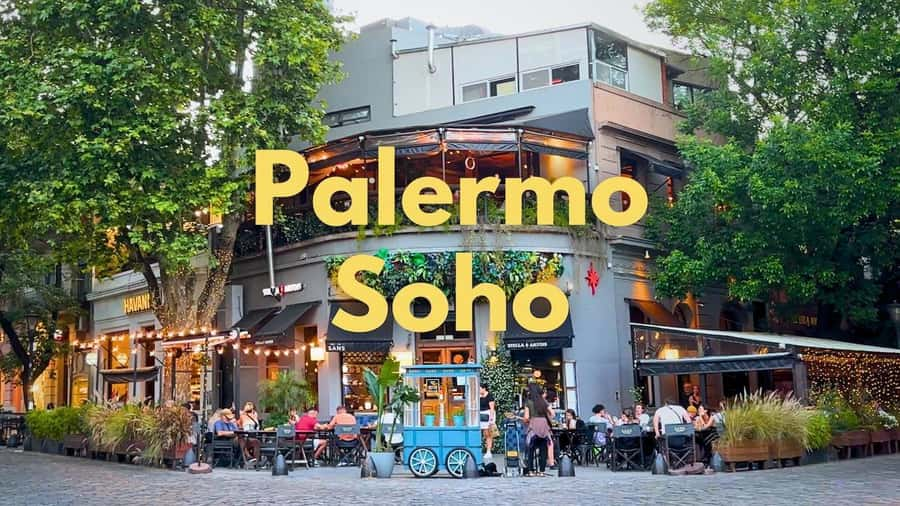
You meet at the amphitheater of Distrito Arcos, right next to the Montagne store. This location is practical because it sits near the start of the walk, so you are not drifting around central Palermo trying to match a vague meeting point to a random street.
One small tip, learned the easy way: give yourself a little extra time to arrive early. In one experience with the guide named Nico, the meeting point was hard for some people to spot, and Nico was accommodating when they needed help finding it. If you are even slightly unsure, arrive a few minutes early and check the exact spot by the amphitheater.
Once you are gathered, the tone is clear. You will be encouraged to chat, ask questions, and react. The guide is not looking for silent agreement. You are part of the process.
Puente Pacífico: the transit story that explains why the neighborhood grew
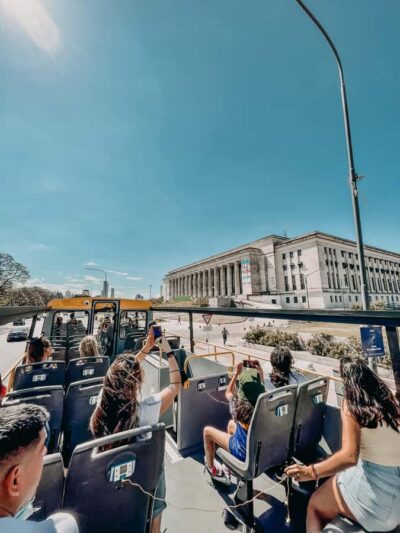
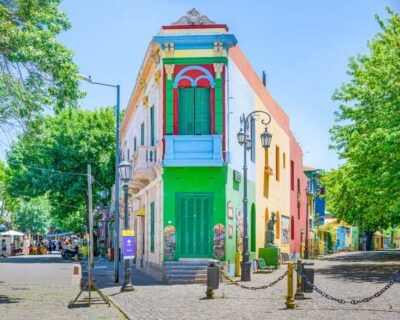
The first guided stop is Puente Pacífico (about 15 minutes). This is where the tour starts connecting Palermo SoHo to the city’s larger movement patterns, including the idea that trains and trams have something to do with how neighborhoods develop.
Even if you have visited Buenos Aires before, this kind of framing changes the way you read streets. You stop thinking of growth as random, and you start thinking of it as infrastructure and timing. A pass-by landmark becomes a clue to how people traveled, where development made sense, and what types of communities showed up.
What you should watch for here is not just the physical setting. Watch for the guide’s method. They use transit and access as the bridge between the past and the present.
Polo Científico Tecnológico: where the future talk shows up in plain sight
Next comes Polo Científico Tecnológico (about 20 minutes). This stop keeps the tour from getting stuck in “then vs now” storytelling only. Instead, it uses the idea of science and technology spaces as a lens for change.
You are basically being trained to ask better questions. Why would different kinds of institutions cluster in certain areas? How does that clustering affect surrounding streets, prices, and who feels welcome?
If you are into city planning or just enjoy understanding why “trendy” neighborhoods don’t happen by accident, this section gives you the thinking tools. It is still a walk, but it is also a framework.
Pasaje Emilio Zola: small corridors, big clues
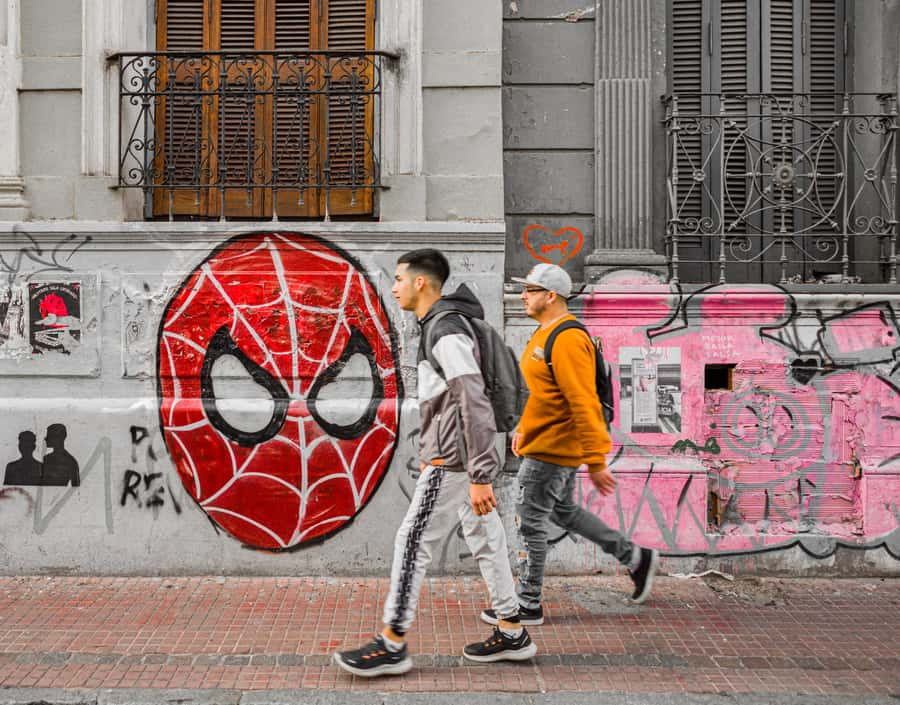
Then you visit Pasaje Emilio Zola (about 10 minutes). A passage like this is where the tour shines, because narrow or semi-hidden spaces often reveal how neighborhoods actually function.
These kinds of places tend to attract the curious and the regulars. That is exactly why they are useful for a discussion about Palermo SoHo’s identity. The tour does not ask you to romanticize it. It asks you to notice how the built environment supports new habits, new businesses, and new expectations.
As you walk, keep an ear open for how the guide links these micro spaces to broader patterns, like gentrification and shifting demographics.
Ukrainian culture on the route: Asociación Ucrania de Cultura PROSVITA
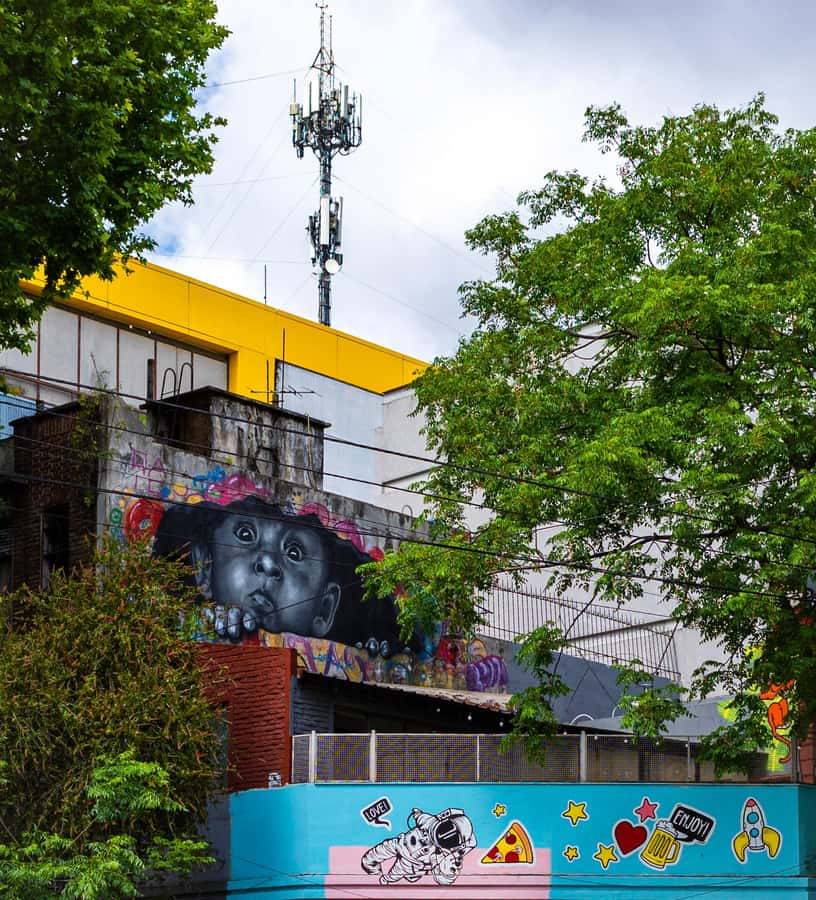
One of the most meaningful guided stops is at Asociación Ucrania de Cultura PROSVITA en la Republica Argentina (about 15 minutes). The name alone tells you this is about community life, not just architecture.
This is where the immigration thread becomes personal. You learn how immigrant communities leave cultural markers that can survive long after the original settlement wave. And you also learn why those markers matter when a neighborhood becomes “the place to be.”
I like that the tour does not treat immigration as a one-time background detail. It treats it as a living part of the neighborhood’s identity, and it helps you understand what changes when new money arrives.
El Preferido de Palermo, Don Julio, and Klub Polaco: old institutions amid new style
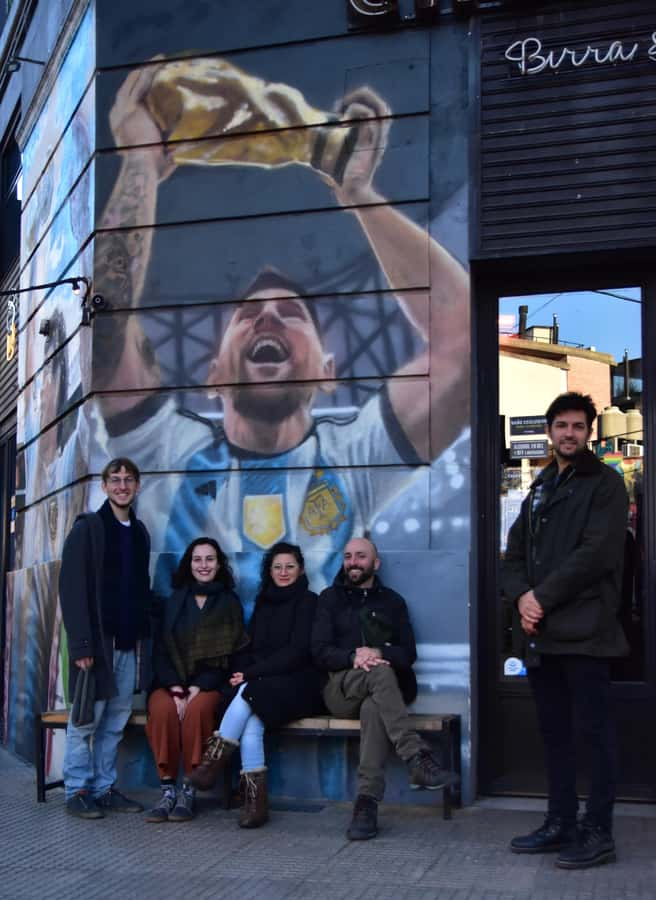
You will have a cluster of short visits, each about 5 minutes:
- El Preferido de Palermo
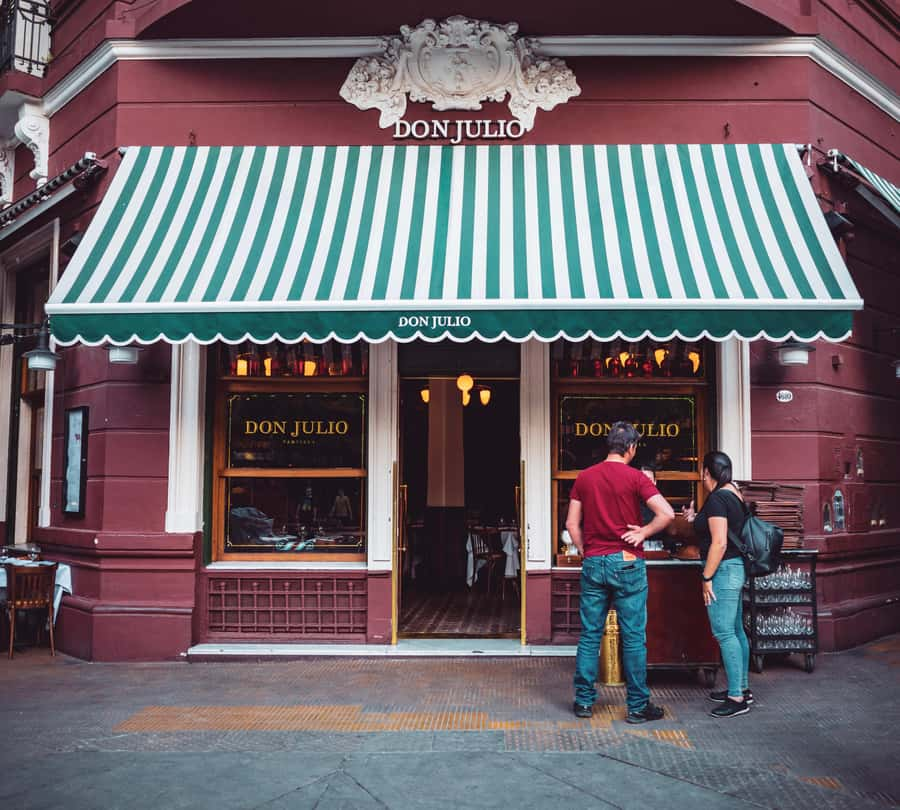
- Don Julio Parrilla
- Klub Polaco
These stops are quick by design. They let you sample the neighborhood’s variety without turning the tour into a restaurant crawl. But they still carry weight in the story.
The guide uses these places as conversation triggers. You get to talk about what people come for, how local or community-linked spots compete with new trend-driven businesses, and how “Palermo SoHo” branding can rewrite how a street is perceived.
Also, this is a nice reminder that gentrification is not only about housing. It is also about who gets to set the vibe and who loses influence.
ACILBA pass-by: the business angle of neighborhood power
At ACILBA, you will pass by (about 3 minutes). This is not a long stop. It is a quick moment that supports the larger theme: how local business networks and economic pressure shape what happens next.
Even with limited time here, the tour connects the dots between culture, commerce, and the financial logic that changes streets. If you like understanding why some blocks feel stable while others flip quickly, this tiny pass-by is still useful.
Plaza Inmigrantes de Armenia: immigration history you can actually see
Next is Plaza Inmigrantes de Armenia (about 10 minutes), with a guided moment. This is one of the stops that makes the whole tour feel worth it, because it puts the immigration story into a specific location you can point to.
This is not abstract history. You are walking through a space that signals memory and community presence. And you are learning how these signals are affected when Palermo SoHo becomes a destination for visitors, students of trends, and the restaurant-and-bar crowd.
It is also where the tour helps you see time. Neighborhood identity is not static. It shifts with economics, and it shifts with who gets to stay.
Helados Italia break: 15 minutes to recharge and keep thinking
You get a break at Helados Italia (about 15 minutes). This is practical, because 2 hours of walking and conversation can run your brain fast. Ice cream is also a Buenos Aires cliché done right, it gives you a chance to reset and then come back focused for the final segments.
During the break, I recommend you use the time to ask any lingering questions. If the guide is speaking about gentrification, peso dynamics, or who the first inhabitants were, this is the moment when you can get direct answers without rushing.
Pasaje Russel and the wrap-up: how to read the last blocks
Then you visit Pasaje Russel (about 10 minutes). Pasajes are a good final stop because they force you to look sideways and behind the main streets.
By now you have the tour’s mental map: transit and origin, immigration markers, institutions, and then the modern twist of tourists, trend businesses, and price pressure. The guide helps you assemble those pieces so the last stretch feels like it clicks.
Even if you are not a history person, you will likely feel the difference between seeing and understanding. You start noticing patterns instead of just surfaces.
Finishing at Plaza Serrano: what to do once you’re done learning
The walk ends at Plaza Serrano. This finishing point is useful because it is a place where you can keep exploring on your own after the explanation has already given you context.
If you want to keep the momentum, look back at the parts of Palermo SoHo you passed and ask yourself what you think changed and why. The goal is not to be cynical. It is to be aware, and to see beyond the avocado toast and sourdough bakery vibe the tour discusses as part of how the neighborhood marketed itself to visitors.
What the guide will cover, in plain terms
The tour is built around a set of big questions. You are not just being shown places. You are being coached to connect ideas.
You’ll work on questions like:
- how trains and trams relate to the neighborhood’s origin
- who the first inhabitants were
- when Palermo started being called SoHo and when it filled up with tourists and chic bars and restaurants
- what real estate speculation means for the Argentine peso and daily life
- why there are two exchange rates and how that kind of financial complexity affects consumption and pricing
- how gentrification reshapes who gets to enjoy Palermo SoHo
That’s the practical value. Once you understand how these questions tie together, you can look at any trendy street in Buenos Aires and ask the same kind of follow-up.
Who should book this tour, and who should skip it
This is best for you if:
- you like asking questions and chatting with your guide
- you want context on gentrification beyond slogans
- you care about immigration history tied to real neighborhoods
- you enjoy walking tours that include discussion, not only narration
- you want an out-of-the-ordinary perspective on Palermo SoHo
You might skip it if you want:
- a silent, picture-only stroll
- long museum-style explanations or a fixed script with no interaction
- a tour focused only on restaurants or shopping
Should you book Palermo SoHo for curious people?
Yes, if you want a smarter kind of neighborhood time. For $25 and 2 hours, you get an interactive guide approach, plus a focused story about gentrification and immigration that fits Palermo SoHo like a key fits a lock. The guide Nico is repeatedly praised for being informative, humorous, and professional, and the fact that he can help people find the meeting point is a good sign for first-time visitors.
Book it with the right mindset. Go ready to talk. Bring curiosity, not just a camera. If you do that, you will leave with a much more accurate read on why Palermo SoHo looks the way it does today, and what it might become next.
FAQ
How long is the Palermo SoHo walking experience?
The tour lasts 2 hours.
Where do I meet the guide?
You meet by the amphitheater of Distrito Arcos, right next to the Montagne store.
What is the price per person?
The price is $25 per person.
What languages are offered?
The tour guide offers Spanish, French, and English.
Is the tour guided by a university degree guide?
Yes. The included experience includes a guided walk and discussion with a university degree guide.
What is the tour route like?
It starts at Montagne and moves through stops such as Puente Pacífico, Polo Científico Tecnológico, Pasaje Emilio Zola, the Ukrainian culture association, Plaza Inmigrantes de Armenia, Helados Italia, Pasaje Russel, and it finishes at Plaza Serrano.
Is there a break during the tour?
Yes. There is a break time at Helados Italia.
Is the tour wheelchair accessible?
Yes, the tour is wheelchair accessible.
Is free cancellation available?
Yes. You can cancel up to 24 hours in advance for a full refund.
Can I reserve and pay later?
Yes. You can reserve now and pay later.
Tour Reviews Around Buenos Aires
Palermo by the Wall

Just added in Buenos Aires
- Velez Sarsfield Football Match
★ 5.0 · 3 reviews - Tango Show at El Querandi with optional Dinner
★ 4.2 · 3 reviews - Guided tour Boca Juniors Museum & Stadium + Caminito
★ 3.3 · 3 reviews - Tango Show at: MichelAngelo
★ 4.5 · 3 reviews - Buenos Aires: Rojo Tango Show with Optional Dinner
★ 3.4 · 3 reviews
Palermo Graffiti and Mural Walks, compared.
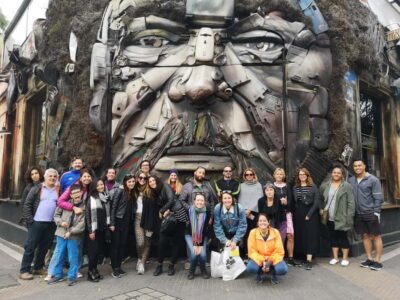 ★ 4.8Palermo: Graffiti and Street Art Guided Tour in EnglishFrom $13684 reviews
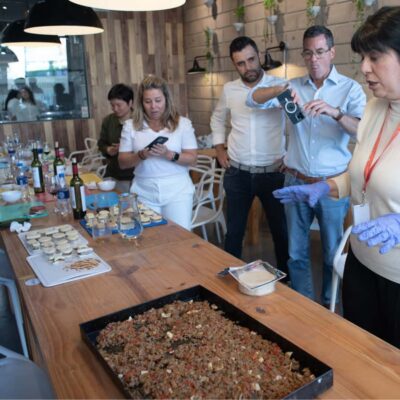 ★ 4.6Empanada & Alfajor Cooking Lesson in PalermoFrom $49186 reviews
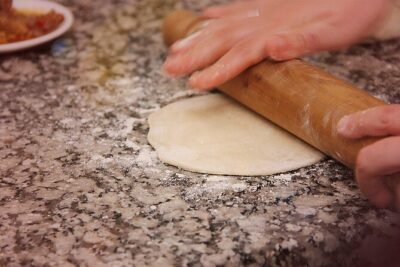 ★ 5.0BA: Empanadas and Alfajores Cooking Experience in PalermoFrom $49112 reviews
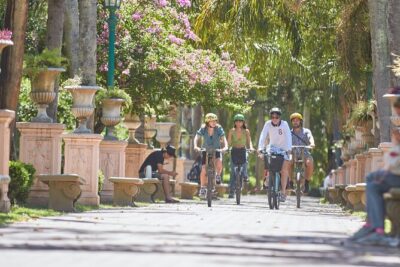
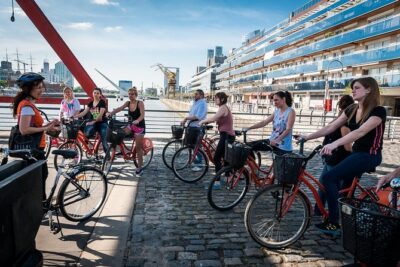 ★ 4.5Buenos Aires Bike Tour: North Districts, Recoleta and PalermoFrom $4591 reviews
 ★ 5.0Private Off the Beaten Path: Hidden Urban Art Bike TourFrom $11562 reviews
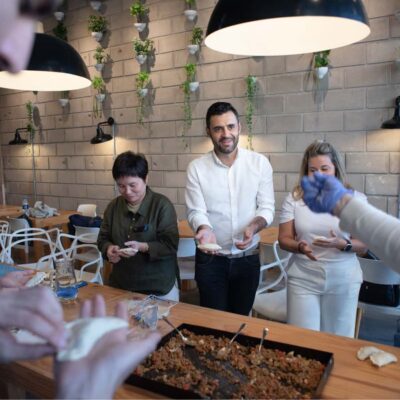 ★ 4.8Argentinian Empanadas Cooking Experience in Palermo, Bs AsFrom $4650 reviews
 ★ 5.0Cultural Experience by Bike around Palermo and Recoleta Max 6 pplFrom $5444 reviews
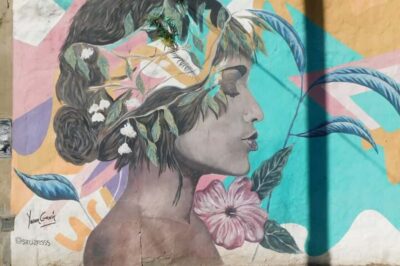 ★ 4.0Premium Argentinian Wine and Malbec Tasting & Urban Art TourFrom $6516 reviews
Where this tour also appears