
REVIEW · BUENOS AIRES WINE AND BODEGA TASTINGS
Wine Tasting in Buenos Aires
Wine tastings in Buenos Aires can be surprisingly personal. This one keeps it simple, 1 hour, with Argentine wines and classic pairings like bruschetta and empanadas, guided by a live expert. The best part is how fast you move through different styles, from aromatics to bold reds.
I like the structure: you’re not just handed a glass and left to guess. You get a guided sensory walkthrough with food that’s meant to match what you’re tasting, including cheeses and cold cuts plus a traditional empanada. That pairing approach makes the flavors easier to follow.
One possible drawback: the tasting is short, and the amount of detail you get about each wine can vary. If you want deep, technical explanations, you might find the pace a bit quick.
Quick takeaways
- Two menus to choose from: Federal Tasting Menu (multi-region) or Catena Zapata Clásico (Catena focus)
- Short and focused timing: 1 hour, designed around a set tasting sequence
- Food included with the pours: bruschetta serrana, selected cheeses, assorted cold cuts, and an empanada
- Great for a quick culture stop: a bar-shop style venue with an easy-to-find setup
- Plan around transport: transfers are not included, so arrange your own way there
Other tastings worth the drive
- Buenos Aires: Wine Tasting and Lunch at Bodega Gamboa★ 4.8 · 177 reviews
- Premium Argentinian Wines and Malbec Tasting Experience★ 4.6 · 60 reviews
- Buenos Aires: Palacio Barolo Guided Night Tour with Wine★ 4.4 · 54 reviews
- Discover Argentine Wines Paired with Delicious Tapas★ 5.0 · 51 reviews
Wine tasting in Buenos Aires, what the 1 hour really feels like
This is a 1-hour wine tasting in Buenos Aires that aims to give you a complete, not-too-long experience. You show up, get welcomed, then move through a set menu designed to connect each wine to specific accompaniments. The goal is to make the tasting feel practical and enjoyable, not like a lecture.
A key detail is that the tasting is described as including 3 glasses of wine, but each option lists 4 wines. In real life, that usually means you’ll sample across those listed labels over the session. Either way, you’re definitely getting multiple pours, not just one wine and a goodbye.
You’ll also have a live guide who speaks English and Spanish. That matters in Buenos Aires, because wine talk can get fast. Here, you’re meant to follow along in your language and learn as you go.
Federal vs Catena Zapata Clásico, which tasting menu fits your mood
You basically choose between two different ways to do Argentina.
Federal Tasting Menu, a multi-region sampler
The Federal option is built to move around the country by style and region. The sequence goes like this:
- Starter: Bruschetta Serrana
- Wine 1: Coquena Torrontés (Salta)
- Selected cheeses
- Wine 2: Primogénito Noir (Patagonia)
- Cold cuts
- Wine 3: Gouguenheim Reserva Malbec (Mendoza, Tupungato)
- Traditional empanada
- Wine 4: Julepe Tannat (Entre Ríos)
If you want a broad “what Argentina tastes like” overview in one hour, this is the safer bet. You’ll hit an aromatic white first, then shift toward darker reds, and you’ll do it with food changing along the way.
More eating and drinking around Buenos Aires
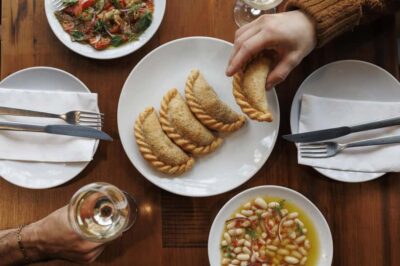
Catena Zapata Clásico, a focused winery-style set
The Catena Zapata option keeps you in one recognizable lane, with all the wines tied to that theme. It runs:
- Starter: Bruschetta Serrana
- Wine 1: Saint Felicien Chardonnay
- Selected cheeses
- Wine 2: Nicasia Cabernet Franc
- Cold cuts
- Wine 3: DV Catena Cabernet-Malbec
- Traditional empanada
- Wine 4: DV Catena Syrah-Syrah
Choose this if you already love the idea of sampling a single winery’s range, or if you’re the type who likes comparisons between closely linked labels. It’s also a good pick if you want your tasting to feel more cohesive.
The wine lineup, from Torrontés aromatics to Mendoza Malbec
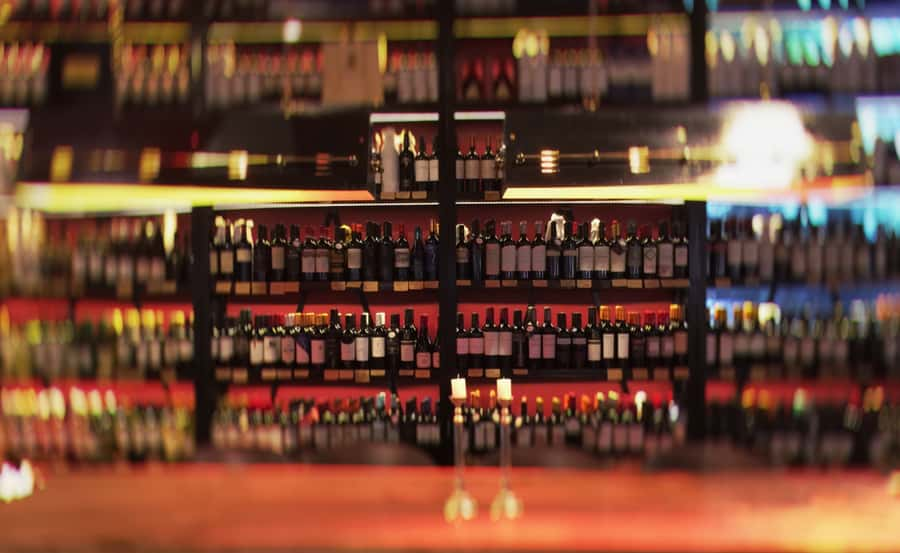
What I like most about both menus is the variety of grapes. You’re not stuck repeating one flavor profile over and over.
On the Federal side, the tasting includes Coquena Torrontés (Salta), Primogénito Noir (Patagonia), Gouguenheim Reserva Malbec (Mendoza, Tupungato), and Julepe Tannat (Entre Ríos). That gives you a path from fragrant and lighter-leaning tastes into deeper reds, with the menu switching food so your palate stays “awake.”
On the Catena side, you’ll find Saint Felicien Chardonnay, Nicasia Cabernet Franc, DV Catena Cabernet-Malbec, and DV Catena Syrah-Syrah. This one is built more around one producer’s style ladder rather than a full nation-spanning mix.
One practical tip: if you’re the kind of person who likes to remember what you liked, take a moment during the empanada course to mentally label which wine matched the food best. After a couple tastings, it can blur. A quick note in your phone helps you shop smarter later.
Pairings that make sense: bruschetta, cheeses, cold cuts, empanada
This tasting isn’t just wine. You get accompaniments that are clearly part of the experience design:
- Bruschetta Serrana (starter)
- Selected cheeses
- Assorted cold cuts
- Traditional Argentine empanada
The bruschetta course sets the stage, especially since it lands before the first wine. Then the menu cycles to cheeses and cold cuts, which are classic tools for changing how acidity, fruit, and tannins feel in your mouth.
The empanada is the final anchor. It’s traditional here by design, so the food feels like a Buenos Aires-appropriate payoff rather than generic snack filler. Even if you’re not a serious foodie, this is the part where a tasting becomes more than a drink ticket.
If you have dietary restrictions or allergies, you should inform the operator in advance. That’s specifically called out as something to share ahead of time, so don’t assume it’s automatically handled.
The guide and the pace, friendly, but plan for a short session
You get a live tour guide, and the languages listed are English and Spanish. In a session this short, the guide’s job is to get you tasting quickly and help you connect what you notice to what you’re drinking.
From what people often say, the guide can be friendly and the venue staff can be welcoming. Still, one criticism to keep in mind is that the explanation level can be lighter than some serious wine lovers want. The setting is likely meant to be relaxed, not a deep technical seminar.
So here’s the practical mindset I recommend: go in wanting to enjoy a well-paced tasting with food. If you want a heavy-duty wine theory class, you may need a different type of tour.
Location reality check, easy to find, but don’t wander alone at night
The location is described as easy to find. People also note the bar-shop style nature of the setting, and it can be quiet but still feel friendly.
The one thing I’d take seriously is safety around walking outside at night. If you’re heading back after dark, keep your route simple and avoid getting stuck alone in an area that feels unfamiliar. Use a taxi or ask for a quick, clear direction to your pickup point if that’s an option.
Also note that the tasting location can be subject to availability and may change. That doesn’t mean you’ll get a worse experience, but it does mean you should expect the meeting place details to be finalized closer to your time slot.
Price and value at $60 per person, what you’re really paying for
At $60 per person for a 1-hour experience, the value depends on what you want from your day in Buenos Aires.
You’re getting:
- A guided tasting with multiple wines (the menu lists four labels in each option)
- Food pairings throughout (bruschetta, cheeses, cold cuts, empanada)
- A setting meant for a relaxed tasting rather than a full-day tour
If you were planning to spend money anyway on a drink plus a snack, this can feel like a convenient bundle. You’re essentially paying for the order, the pacing, and the pairing setup.
Where it may feel less worth it is if you want a very long session, extra drinks beyond what’s included, or deeper wine education. There’s no extra drinks or extra food options listed, so you’re locked into the set menu.
Practical details that prevent surprises
A few things you’ll want to know before you go:
- This experience is for people over 18
- It’s not suitable for children under 18 or babies under 1
- The venue can change based on availability
- Transfers are not included, so plan your own arrival and departure
- You should bring a credit card and cash
Also, the languages are English and Spanish, so you can choose what you’re most comfortable with. If you’re traveling with someone who speaks only one language, that’s manageable here since both are supported.
Finally, the cancellation policy is listed clearly: cancellations made up to 48 hours in advance are fully refunded, cancellations between 24 and 48 hours get a 50% refund, and cancellations less than 24 hours before the tasting or no-shows do not receive a refund.
Who should book this Argentine wine tasting (and who might skip it)
This tour fits you best if you want:
- A quick, guided introduction to Argentine wines
- A pairing-based experience with classic snacks
- A choice between a multi-region menu (Federal) and a winery-focused menu (Catena Zapata Clásico)
It’s probably not ideal if you’re:
- Looking for a long wine workshop
- Hoping to order extra drinks beyond the set menu
- Expecting transfers or a built-in pickup
If you’re traveling solo, this kind of tasting can be a friendly way to spend an hour without committing to an all-day wine region excursion.
Should you book this Buenos Aires wine tasting?
I’d book it if you want a solid, no-fuss wine and food pairing in Buenos Aires Province, with a live guide and two strong menu choices. The $60 price makes more sense when you see it as a bundled tasting with snacks, not just a casual glass of wine.
Skip it if you’re the type who needs lots of deep technical detail or you prefer to pick wines at your own pace in a restaurant. This experience is short by design, and you should treat it like an efficient tasting session, not a full course in Argentine viticulture.
If you’re deciding between menus, go Federal for variety across regions, and Catena Zapata Clásico if you want a more focused set from one famous name. Either way, you’ll finish with empanada in hand and a clearer idea of what style you actually like.
FAQ
How long is the wine tasting in Buenos Aires?
The experience lasts 1 hour.
What wines and food are included?
You get a guided tasting set, described as tasting 3 glasses of wine, and each menu option lists 4 wines. Food included is bruschetta serrana, selected cheeses, assorted cold cuts, and a traditional Argentine empanada.
What is the difference between the Federal menu and Catena Zapata Clásico?
The Federal Tasting Menu mixes wines from different Argentine regions, while Catena Zapata Clásico focuses on wines under the Catena Zapata line. Each option has its own sequence of starter, wines, and paired foods.
Are transfers included?
No. Transfers are not included.
What languages is the live guide available in?
The live guide offers English and Spanish.
What is the cancellation policy?
Cancellations made up to 48 hours in advance are fully refunded. Cancellations made between 24 and 48 hours before the tasting are refunded 50%. Cancellations less than 24 hours in advance or no-shows are not eligible for a refund.
Tour Reviews Around Buenos Aires


More Bodegas Worth the Drive




Just added in Buenos Aires
- Velez Sarsfield Football Match
★ 5.0 · 3 reviews - Tango Show at El Querandi with optional Dinner
★ 4.2 · 3 reviews - Guided tour Boca Juniors Museum & Stadium + Caminito
★ 3.3 · 3 reviews - Tango Show at: MichelAngelo
★ 4.5 · 3 reviews - Buenos Aires: Rojo Tango Show with Optional Dinner
★ 3.4 · 3 reviews
Buenos Aires Wine and Bodega Tastings, compared.
 ★ 4.8Wine Tasting and Lunch at Bodega GamboaFrom $169177 reviews
 ★ 4.6Premium Argentinian Wines and Malbec Tasting ExperienceFrom $5060 reviews
 ★ 4.4Palacio Barolo Guided Night Tour with WineFrom $9054 reviews
 ★ 5.0Discover Argentine Wines Paired with Delicious TapasFrom $8451 reviews
 ★ 5.0Sailing with Wine Tasting in Buenos AiresFrom $36550 reviews
 ★ 4.9Premium Empanadas Cooking Class & Wine Tasting ExperienceFrom $4935 reviews
 ★ 4.8Small-Group Wine TastingFrom $5018 reviews
 ★ 4.9Wine Tasting & Lunch at Gamboa VineyardFrom $22017 reviews
Where this tour also appears