
REVIEW · CAMINITO AND BOCA BARRIO WALKS
La Boca Out off the Beaten Track
La Boca tells stories if you slow down. With guide Paola De Luca, this small-group, 150-minute walk turns the barrio into a living lesson, from the incredible murals to the neighborhood’s immigrant-era details. You also get a real breather with coffee in a notable cafe dating to 1882, a nice rhythm change from street corners and courtyards.
The one thing to watch is timing. This tour is built around a set route, and while you can include the Museum of Fine Arts of La Boca, any ticket for that extra stop is not included.
Key highlights worth marking on your mental map
- Argentina’s first Volunteer Fire Station: you’ll go inside the station created as a mutual-aid effort.
- Corrugated-metal conventillo: enter a typical tenement that now works as a Cultural Centre.
- Paola De Luca’s local perspective: she grew up in La Boca, and her storytelling connects the art to daily life.
- Boca murals that teach social issues: you won’t just see painted walls, you’ll understand what they’re pointing at.
- Inside access to a Boca artist home: you get to see a typical Boca house connected to artists she knows.
- Caminito at the end: tango and fileteado show up everywhere, so you land on the most photo-friendly stretch last.
More of La Boca, painted street by painted street
- Buenos Aires: La Boca Guided Walking Tour in English★ 4.8 · 1,587 reviews
- Buenos Aires: Navigation from Pto. Madero to La Boca★ 4.1 · 147 reviews
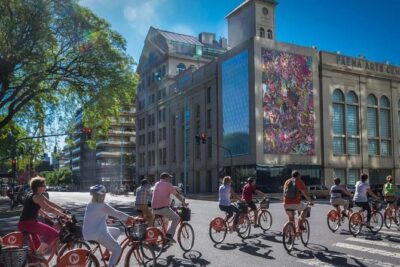
- Buenos Aires Bike Tour: San Telmo and La Boca Districts★ 4.5 · 74 reviews
- La Boca, a collective creation: Port, immigrants, arts and football★ 5.0 · 58 reviews
Why this La Boca experience feels less touristy
La Boca is famous for color, but it can also get flattened into a postcard. This tour aims for the other version of the neighborhood, the one you only notice when someone points out the why behind the what.
What I like is that you get both art and structure. You move through places tied to community support, immigrant arrival, and local belief systems, then you cap it with Caminito, where the streets start shouting tango and fileteado. It’s a smart mix for a short visit, especially if you want more than the usual loop.
First stop: arriving at La Boca the right way
You start at the corner of Martín Rodríguez and Avenida Don Pedro de Mendoza. That meeting point matters because it puts you close to the harbor-and-warehouse atmosphere early, so the tour’s story has a backbone from the start.
From there, you get a guided intro that helps you recognize what you’re looking at. You’re not just wandering streets, you’re learning how La Boca’s layout and landmarks connect to migration, work, and community life.
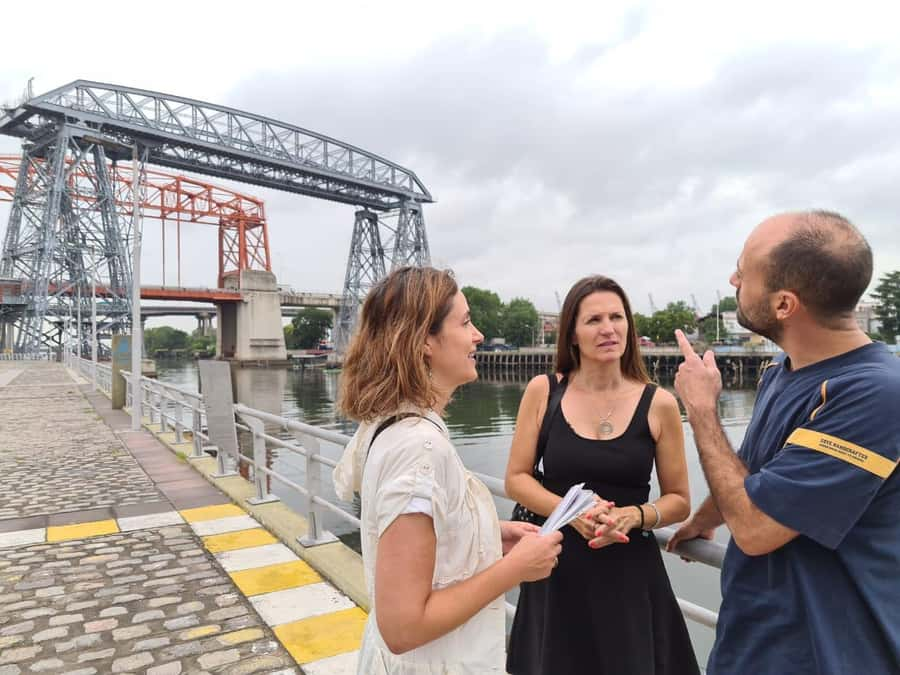
The harbor, warehouses, and the immigrant train station
One of the first big shifts is going toward the harbor, warehouses, and the picturesque train station area where large numbers of immigrants arrived. This is where La Boca’s identity stops being abstract.
You’ll get a clearer idea of why the neighborhood filled up the way it did, and how that movement of people shaped everything that followed, including housing patterns and cultural expression. It also sets you up for what you see next, because the tour is essentially building toward the living spaces immigrants needed.
Inside a conventillo: corrugated metal tenements with a present-day purpose
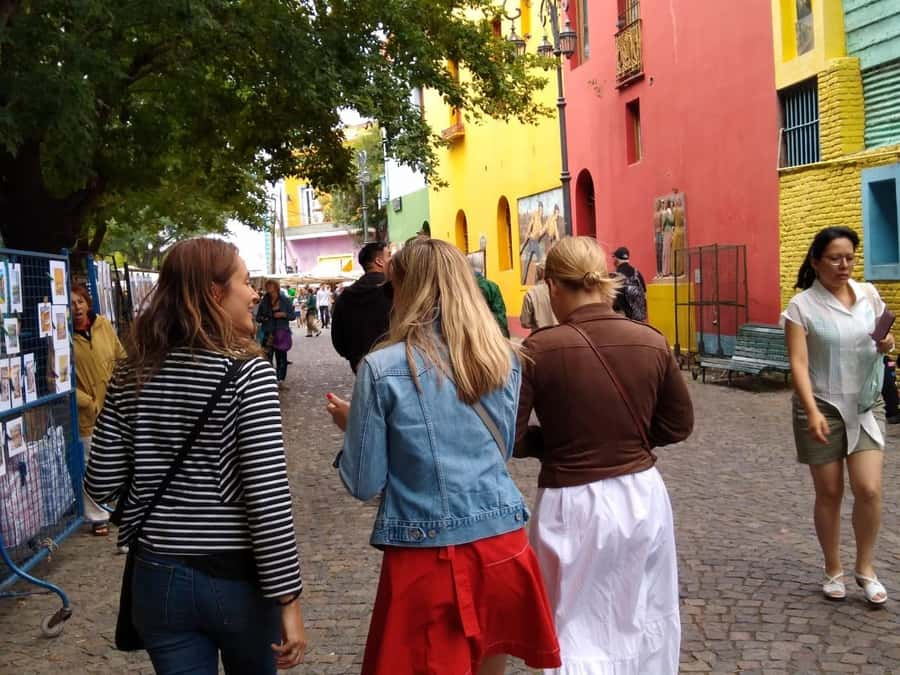
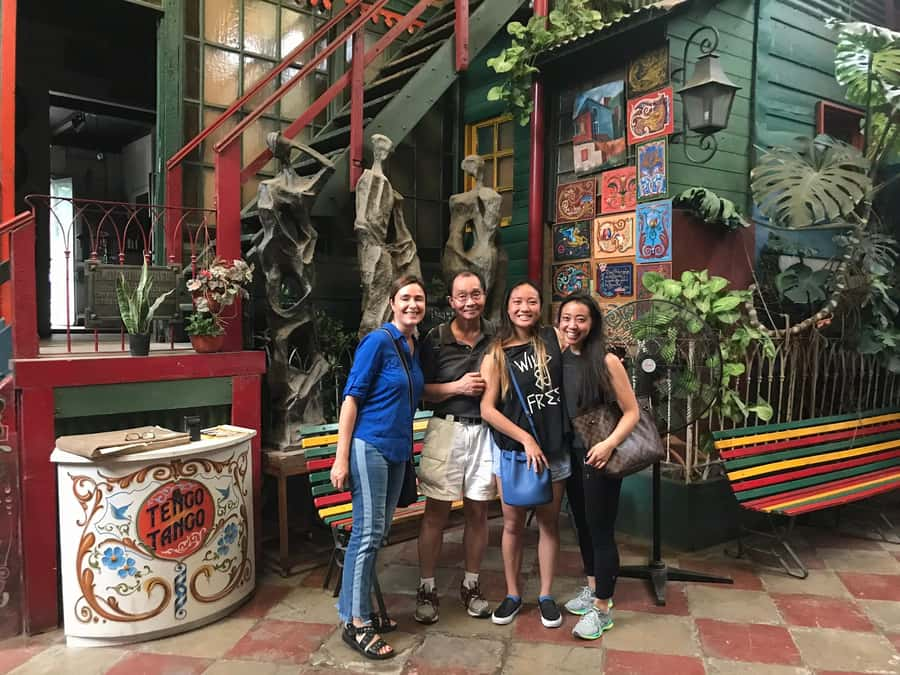
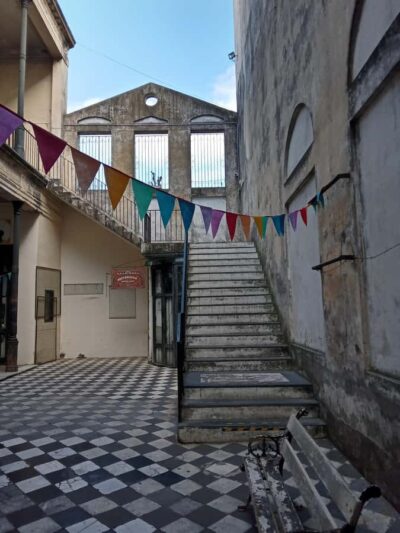
Then comes one of the strongest parts of the route: going inside a corrugated metal clad “conventillo,” a tenement house that once sheltered immigrants. Today, that same building hosts a Cultural Centre, so you’re not looking at a ruin from the past. You’re seeing how the space is being used now.
This stop gives you a practical mental model for Boca housing history. You’ll understand why these places were so tightly connected to survival, then you’ll watch the building take on a new role for culture.
Also, the visit is included in your price. That matters because many La Boca tours show you exteriors only, and you end up buying your understanding one photo at a time.
Mutual aid you can actually step into: the Volunteer Fire Station
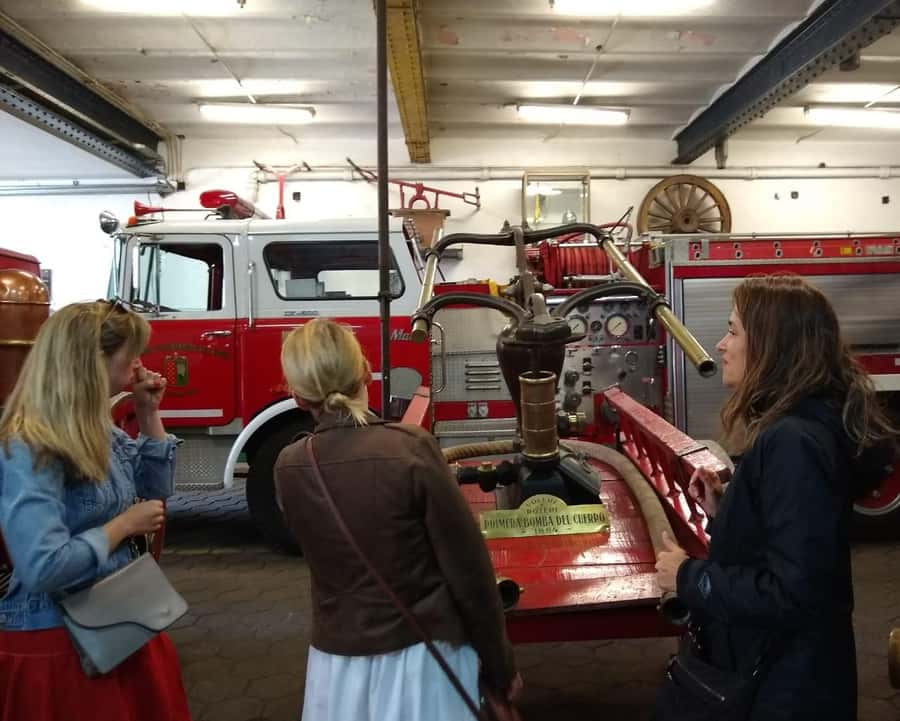
After that, you visit one of the mutual assistance associations, the Volunteer Fire Department, and specifically the first Volunteer Firefighter Station created in Argentina. That’s not just a trivia line, it’s a window into how working communities organized themselves.
Walking into a real institution like this changes the tone of the tour. It stops feeling like a themed photo walk and starts feeling like a neighborhood history lesson with physical places, not just captions.
Entrance to this station is included, which makes the $35 price feel more grounded than a typical “guide plus viewpoints” structure. You’re paying for access.
Boca murals and social issues: reading the neighborhood like a poster
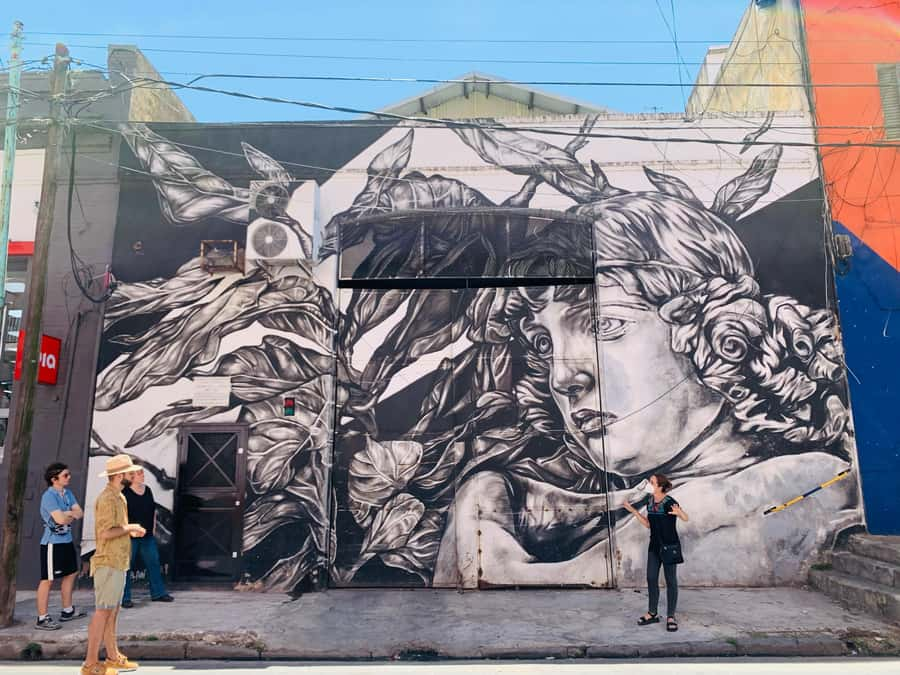
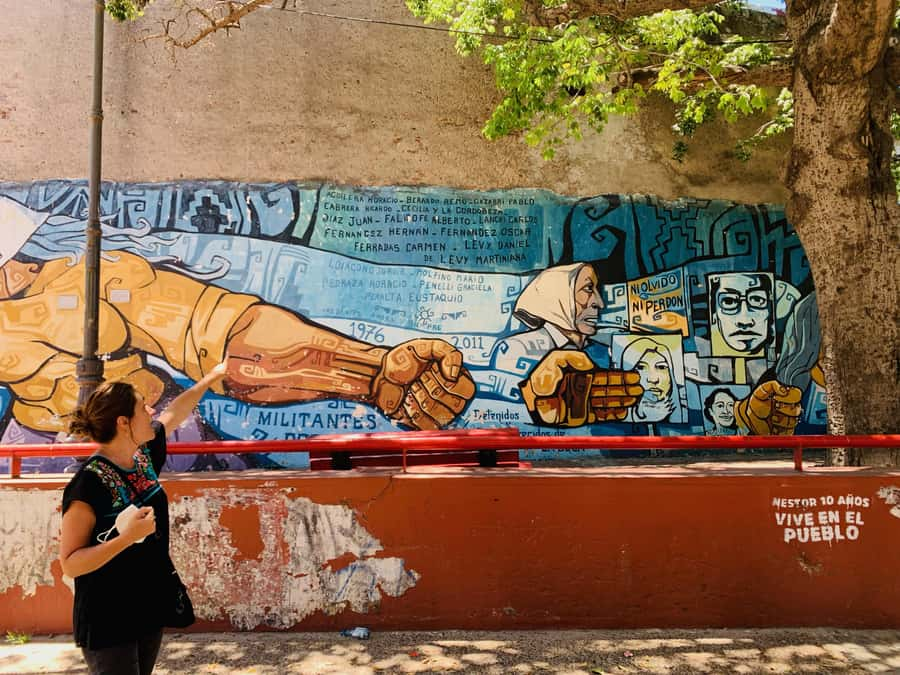
Now you get to one of the tour’s biggest attractions: the murals and streets not much visited. Boca murals can look like pure style at first glance, but this guide helps you interpret them.
You’ll learn how large wall paintings reflect different social issues. The result is that you start noticing symbolism and themes as you walk, instead of treating murals like background decoration. It’s especially satisfying if you like street art that has a point.
One detail that I think makes this part work is the way Paola De Luca connects her personal relationship with La Boca to the historical context. In other words, you’re not getting a list of facts, you’re getting a reason for why those paintings matter to the people who live around them.
A typical Boca house, inside access through artist friends
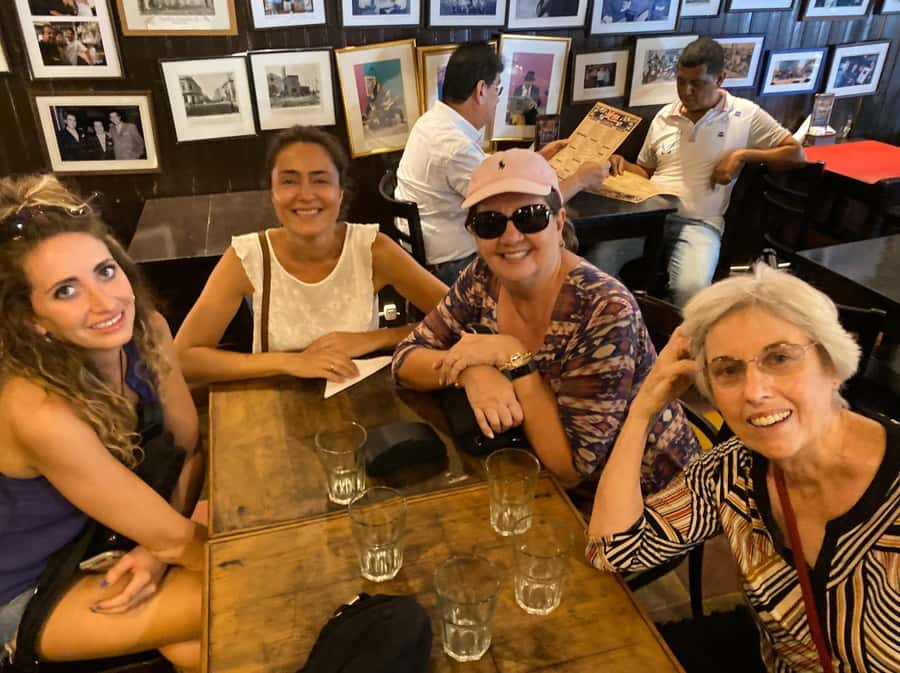
Another stand-out element is a visit to a typical Boca house belonging to great Boca artists friends. This is the kind of access that changes your perspective fast.
Instead of viewing Boca as scenery, you get a sense of how artists and neighbors share space, style, and identity. Even if you’re not hunting art museums, this home visit is a reminder that Boca culture is made by people, not just marketing.
Football and religion as community anchors
La Boca’s social map is not only art and migration. You’ll also get two local icons tied to community life.
First, football: you see the Boca Juniors Stadium from the outside. You get a feel for how the club fits into the neighborhood’s emotional world, especially in a place where identity can be wrapped up in support and rivalry.
Second, religion: you’ll see the Salesian Church, which worked as a refuge for these rootless communities. It’s a key contrast with the sport stop, and it helps explain how different institutions offered safety and belonging when people arrived without roots.
Old buildings that held anarchist newspapers and bordellos
The tour also points out older buildings that once hosted anarchist newspapers and bordellos in the early 20th century. This part can be uncomfortable in the best way, because it refuses to sanitize the neighborhood’s past.
You’ll come away with a clearer sense of how informal economies, political ideas, and survival needs overlapped in early La Boca. For me, that context is what makes the murals and street symbolism land with more weight.
Caminito at the end: tango energy and fileteado everywhere
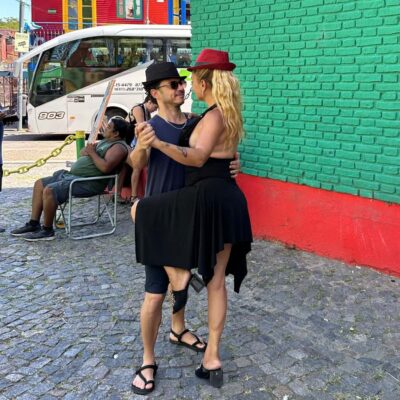
You finish in Caminito. This is the area people recognize, and you’ll see why: tango shows up in the vibe, and fileteado appears in corners, lettering, and details.
The timing is smart. Ending here means you close the story with color and performance energy, not the beginning. By the time you reach Caminito, you’ve already learned what to look for in the neighborhood, so you enjoy it more than you would if you started with photos first.
Coffee as the finale: a seat at a cafe with history
The tour includes coffee, and you finish with it in a notable cafe dating to 1882. It’s a nice last step because it gives you a moment to absorb what you just saw.
It also works practically. After a couple hours of interpretive stops, sitting down for coffee helps your brain connect the dots. You leave with impressions you can actually remember.
Price and value for a 150-minute small-group tour
At $35 per person for 150 minutes, you’re paying for more than a guide’s voice. Your price includes:
- Entrance to the Firefighter Station
- Entrance to the Conventillo Cultural Centre
- Coffee
That access is a big part of the value. Many alternatives focus on exterior views only, and you end up paying extra later for museum tickets or interior experiences.
You also travel in a small group, limited to 10 participants. That size keeps the tour flexible enough for questions and close explanations, which matters when the guide is highlighting details like mural meaning and historical context.
Who should book, and who might want a different option
This tour is ideal if you want La Boca explained through real places and real community systems. If you like art, history, and the way everyday life shapes culture, you’ll enjoy it.
It’s also a good match for visitors who care about guidance quality. Paola De Luca’s English is described as very strong, and the tour pace feels tuned to comfort, including during intense heat.
Two practical notes from the rules:
- No electric wheelchairs are allowed.
- It is not suitable for people over 95 years.
If you fall into either category, you’ll need another option.
Museum of Fine Arts of La Boca: when you want extra Quinquela Martin time
You can visit the Museum of Fine Arts of La Boca, but ticket entrance is not included. One part of the building was the home of Benito Quinquela Martin.
If you’re the type who likes to go from street murals to an indoor collection, this can be worth adding. If you prefer keeping the route focused, you can treat the museum as an optional add-on and enjoy the rest of the tour without extra ticket decisions.
Practical rules to know before you go
This is a structured experience with specific boundaries. The tour does not allow jewelry, alcohol and drugs, and electric wheelchairs.
Plan around that and you’ll keep things smooth. Also, the guide runs it in Spanish and English, so you can expect explanations in the language you choose at booking.
Should you book this La Boca off-the-beaten-track tour?
If you want La Boca more as a neighborhood story than a sightseeing checklist, I think you should book it. The strongest reason is the combination of places you can enter, like the conventillo and the Volunteer Fire Station, plus the way the guide explains murals and social issues with local context.
I’d skip or reconsider if you’re hoping for a free-form wandering day or you want a guaranteed long museum visit, because this is a set 150-minute route and extra museum time costs extra.
Overall, for $35, you get a lot of meaning per minute, and you finish in Caminito with the kind of color that feels earned, not rushed.
FAQ
How long is the tour?
The duration is 150 minutes.
Where does the tour start and where do we finish?
It starts at the corner of Martín Rodríguez and Avenida Don Pedro de Mendoza in La Boca, and it finishes at Caminito.
What is included in the price?
Coffee is included, along with entrance to the Volunteer Firefighter Station and entrance to the conventillo (tenement house) Cultural Centre.
Is food included?
No. Food is not included.
Is the Museum of Fine Arts of La Boca included?
You can visit it, but the ticket entrance is not included.
What languages are available for the guide?
The live tour guide offers Spanish and English.
How big is the group?
The group is limited to 10 participants.
Are there any restrictions for participants?
Jewelry is not allowed, alcohol and drugs are not allowed, and electric wheelchairs are not allowed. It is also not suitable for people over 95 years.
What if my plans change before the tour?
Free cancellation is available up to 24 hours in advance for a full refund. You can reserve now and pay later.
Tour Reviews Around Buenos Aires
La Boca, Three More Ways



Just added in Buenos Aires
- Velez Sarsfield Football Match
★ 5.0 · 3 reviews - Tango Show at El Querandi with optional Dinner
★ 4.2 · 3 reviews - Guided tour Boca Juniors Museum & Stadium + Caminito
★ 3.3 · 3 reviews - Tango Show at: MichelAngelo
★ 4.5 · 3 reviews - Buenos Aires: Rojo Tango Show with Optional Dinner
★ 3.4 · 3 reviews
Caminito and Boca Barrio Walks, compared.
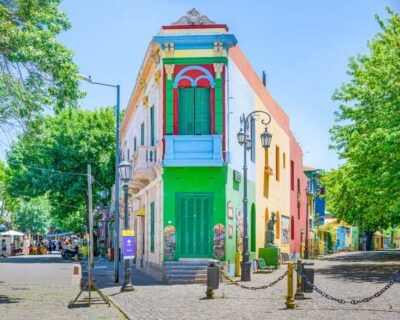 ★ 4.8La Boca Guided Walking Tour in EnglishFrom $131,587 reviews
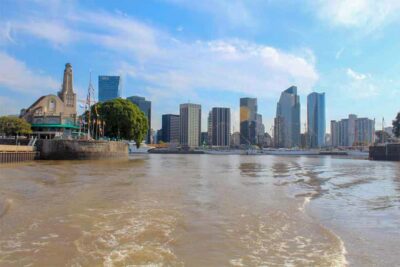 ★ 4.1Navigation from Pto. Madero to La BocaFrom $18147 reviews
 ★ 4.5Buenos Aires Bike Tour: San Telmo and La Boca DistrictsFrom $4574 reviews
 ★ 5.0BA Flavors Food Tour in San Telmo and Boca With Local GuideFrom $6567 reviews
 ★ 5.0La Boca, a collective creation: Port, immigrants, arts and footballFrom $6558 reviews
 ★ 4.8La Boca Art and History Walking TourFrom $4655 reviews
 ★ 5.0La Boca and City Center Bike TourFrom $3854 reviews
 ★ 5.0SAN TELMO + CAMINITO THE LOCAL WALKING TOUR!From $358 reviews
Where this tour also appears