
Color and football, in one small walk. This La Boca walking tour turns the neighborhood into a story you can actually follow, from Genoese-tinged streets and port roots to the icons people come for. In just 2 hours, you get a guided route that connects art, tango, and soccer without feeling like a checklist.
I especially like the fact that you walk with two locals who share neighborhood details, not just monuments. I also love the focus on Quinquela Martín’s art link, where Caminito turns into a living color map.
One drawback to consider is the tour runs in Spanish, and there is no Boca Juniors stadium ticket or bus or food included.
Key things to know before you go
- Meet at Fundación PROA: Start right at the PROA Foundation entrance, with guides in blue shirts and black umbrellas.
- Two local guides, guided visits: You get a guided walk plus stop-by-stop explanations across the main points.
- Caminito, the photo icon with a reason: It is not just a pretty alley, it is tied to Quinquela Martín and the Riachuelo setting.
- Benito Quinquela Martín Museum stop: You connect the art style to where the neighborhood’s identity came from.
- Bombonera area plus the volunteer fire brigade: You see how sport and civic pride sit side-by-side in La Boca.
- 2 hours on foot: Plan for walking, and note the guide language is Spanish.
More of La Boca, painted street by painted street
- Buenos Aires: La Boca Guided Walking Tour in English★ 4.8 · 1,587 reviews
- Buenos Aires: Navigation from Pto. Madero to La Boca★ 4.1 · 147 reviews
- Buenos Aires Bike Tour: San Telmo and La Boca Districts★ 4.5 · 74 reviews
- La Boca, a collective creation: Port, immigrants, arts and football★ 5.0 · 58 reviews
Entering La Boca on foot from Fundación PROA
I like that the tour starts with a clear anchor. You meet at the entrance of Fundación PROA. The guides are wearing blue shirts and carrying black umbrellas, so you can spot them quickly and avoid the usual wandering.
This is a walking route designed for flow. Because it loops back to the same meeting point, you do not end up feeling stranded or asking for directions halfway through. It also keeps the timing tight, which matters when you only have a couple of hours in Buenos Aires.
One smart part of the plan is that it builds context before you go full photo mode. La Boca is not only an aesthetic neighborhood. It has port roots and a social fabric shaped by Genoese immigration, and that helps you understand why the streets feel the way they do.
Caminito on the Riachuelo, the color wall you came for
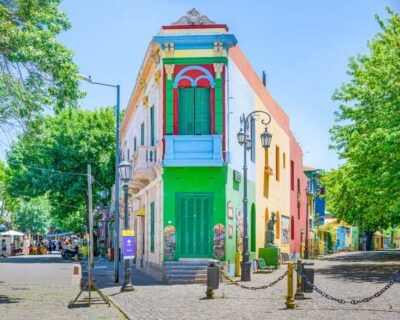
Caminito is the headline, and the tour treats it like more than a postcard spot. You get there as part of a guided walk through the La Boca story, with the Riachuelo atmosphere in the background. This matters, because Caminito works best when you know it is connected to the neighborhood’s artistic identity.
What you’ll actually experience here is color, movement, and emotion in a small space. Caminito is famous for its dazzling painted look, and it is also widely photographed, so you will understand why people post it nonstop. But the guide framing is what changes it from a quick snapshot into something you can remember.
If you are someone who likes street-level understanding, you’ll enjoy how the walk emphasizes people and everyday life. One of the strongest takeaways from the experience is that La Boca is about residents, not just scenery. The route nudges you to notice the neighborhood’s social heartbeat while you are still getting your camera moments.
Practical note: Caminito can get crowded because it is such an icon. If you care about photos, go with the guide’s timing and positioning, not just your own instinct to sprint to the best angle.
Benito Quinquela Martín Museum and the artist behind the street
After Caminito, the tour shifts from painted alleys to the artist who helped shape the look and the message. You visit the Benito Quinquela Martín Museum, which is a key stop for understanding why this corner of La Boca feels so unmistakably itself.
This is where I think the value really shows. A lot of “see the street” experiences stop at the photos. Here, you get a deeper connection between the art style and the neighborhood’s port culture and identity, so Caminito makes more sense when you look at it again.
You also get a chance to slow down and think about how art in La Boca is tied to the river and the community. The museum stop is a strong move for anyone who likes context without needing a whole day of lectures.
Tip for your visit: Since this is a 2-hour total walk, you want to be ready to absorb quickly. Keep your questions in mind as you move through stops, especially if you want clarification on the Genoese immigration influence and how it shows up in street life.
Vuelta de Rocha, football views and everyday local life
Next comes Vuelta de Rocha, described as a picturesque corner, and it is exactly the kind of stop that makes a walking tour feel human. You are not just traveling between famous points. You are crossing the “in-between” places where local life continues, and that is where the neighborhood texture lands.
La Boca is known for Boca Juniors and also for the wider football gravity of River Plate. Even if you are not a super fan, the sport identity is part of how you read the streets here. This stop helps you see that football is not just a stadium thing, it is a neighborhood tone.
What I like about including a corner like Vuelta de Rocha is that it balances the big names. You still get the icons, but you also get a feeling for how the community moves through the day. That focus lines up with a standout theme from the experience: the people are the point, not only the view.
If you are short on time in Buenos Aires, this stop also functions as a reset. After intense photo energy, you get a calmer moment to take in the streets and absorb what makes La Boca feel like La Boca.
Bombonera and the volunteer fire brigade headquarters
The tour brings you to the Bombonera area, one of the most iconic football symbols in Argentina. You also get a highlight connected to civic pride, the volunteer fire brigade headquarters. I like that pairing because it shows how the neighborhood’s identity has more than one kind of passion.
Bombonera is the “sport” magnet. The volunteer fire brigade is the “community service” magnet. Together, they help you understand the vibe of La Boca as something lived, not just watched on match day.
This is also where you should manage expectations. The tour does not list Boca Juniors stadium tickets as included, so you are going for exterior views and guided context rather than full stadium entry. You’ll still get plenty of meaning from seeing the place in its real setting.
If you care about photography, take a moment here to look around, not only at your target. La Boca’s power is in how the buildings and streets frame the big landmarks, and your guide helps you look with intent.
What the walking tour includes, and what it leaves out
This is a guided walk with real local input. You get a guided walk alongside two locals, and guided visits at each of the main stops. The guide language is Spanish, and that is a practical detail worth planning around.
The experience notes also include skip the ticket line, which can matter if a stop involves entry or timed access. Even so, the tour information clearly says bus and foods are not included, and tickets to the Boca Juniors stadium are also not included. So you should treat this as a neighborhood experience, not an all-access sports package.
You can expect the route to stay focused on walking, meaning you will spend your time on streets and key landmarks rather than transit. That is usually the best way to feel a place quickly, especially in an area where the atmosphere is part of the attraction.
If you want meals, plan them before or after the walk. If you want to go inside Bombonera, you’ll need a separate plan for that, since stadium tickets are not part of this experience.
Price, timing, and practical tips for 2 hours
The price is $13 per person for a 2-hour walking tour. For a guided route that includes multiple stops with local guides, that is strong value, especially when you consider the time efficiency. In a short stay, guided structure saves you from guessing which corners are worth your attention.
Because this is a free walking tour style, there is also a suggested minimum tip of $10. In practice, that means you should budget for tipping if you want to match the spirit of the experience. The $13 gets you the guided spot, and the tip supports the locals who do the teaching.
Timing is simple: it runs about 2 hours, and you should check starting times when you reserve. The tour ends back at Fundación PROA, which makes it easy to plug into the rest of your Buenos Aires day.
Practical advice that fits this exact setup:
- Wear comfortable walking shoes. This is a walk-first route.
- Bring a light layer. Weather can shift in Buenos Aires, and you are outside for most of the tour.
- If your Spanish is basic, still go. You’ll pick up a lot of meaning from how guides point, explain, and connect the stops.
- Bring small cash for tipping, since the tip guidance is part of the experience notes.
Who should book this La Boca walking tour
This tour fits best if you want a fast, focused La Boca orientation with local perspective. It is ideal for first-timers who want Caminito, the art connection, and the football landmarks without spending half a day getting organized.
It is also a good match if you care about how neighborhoods work socially. One of the most praised themes from the experience is the attention to the people who live there, and that angle makes the tour feel less like sightseeing and more like understanding.
If you only want stadium entry or bus-and-driver comfort, you might feel limited. This experience is built around walking, and it does not include stadium tickets or food. So it is not for you if your main goal is inside access or a meal stop.
Should you book this La Boca walking tour?
I think this is an easy yes for most visitors with 2 hours to spare. The combination of Caminito, the Quinquela Martín connection, and the Bombonera area, plus the guided framing by local guides, makes it a lot more than a quick photo circuit.
Book it if you want a structured route that helps you read La Boca like a place, not like a theme park. Skip it only if you need stadium ticket access or you want a non-Spanish guide and you are uncomfortable navigating in Spanish.
FAQ
Where does the tour start?
The meeting point is at the entrance of Fundación PROA. The guides are wearing blue shirts and carrying black umbrellas.
How long is the walking tour?
The duration is 2 hours.
Are there guides, and what language do they speak?
Yes, you have a live tour guide. The tour guide language is Spanish, and you walk with two locals.
What is included in the tour?
The tour includes a guided walk with two locals and guided visits to the main points on the route. It is also noted that you can skip the ticket line.
Are bus, food, or Boca Juniors stadium tickets included?
No. Bus and foods are not included, and tickets to the Boca Juniors stadium are not included.
How much does it cost, and is tipping expected?
The price is $13 per person. Since it is a free walking tour style, the recommendation is a minimum tip of $10.
Can I cancel and get a refund?
Yes. Free cancellation is available up to 24 hours in advance for a full refund.
Tour Reviews Around Buenos Aires

La Boca, Three More Ways


Just added in Buenos Aires
- Velez Sarsfield Football Match
★ 5.0 · 3 reviews - Tango Show at El Querandi with optional Dinner
★ 4.2 · 3 reviews - Guided tour Boca Juniors Museum & Stadium + Caminito
★ 3.3 · 3 reviews - Tango Show at: MichelAngelo
★ 4.5 · 3 reviews - Buenos Aires: Rojo Tango Show with Optional Dinner
★ 3.4 · 3 reviews
Caminito and Boca Barrio Walks, compared.
 ★ 4.8La Boca Guided Walking Tour in EnglishFrom $131,587 reviews
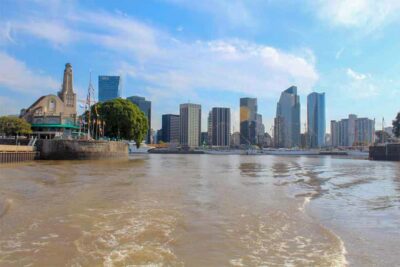 ★ 4.1Navigation from Pto. Madero to La BocaFrom $18147 reviews
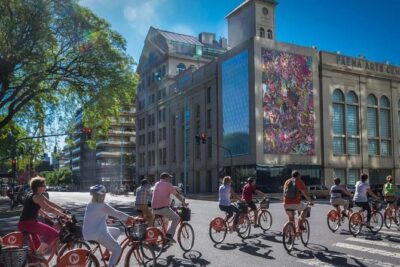 ★ 4.5Buenos Aires Bike Tour: San Telmo and La Boca DistrictsFrom $4574 reviews
 ★ 5.0BA Flavors Food Tour in San Telmo and Boca With Local GuideFrom $6567 reviews
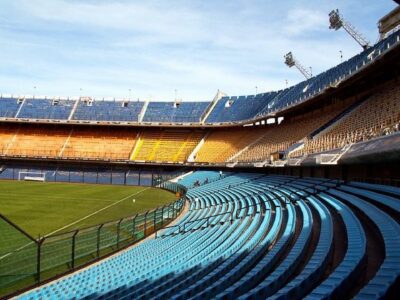 ★ 5.0La Boca, a collective creation: Port, immigrants, arts and footballFrom $6558 reviews
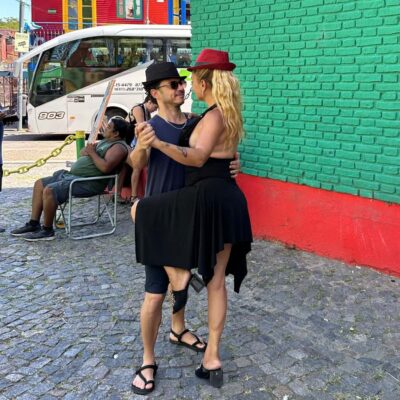 ★ 4.8La Boca Art and History Walking TourFrom $4655 reviews
 ★ 5.0La Boca and City Center Bike TourFrom $3854 reviews
 ★ 5.0SAN TELMO + CAMINITO THE LOCAL WALKING TOUR!From $358 reviews
Where this tour also appears