
REVIEW · BUENOS AIRES TOURS
Buenos Aires for curious people
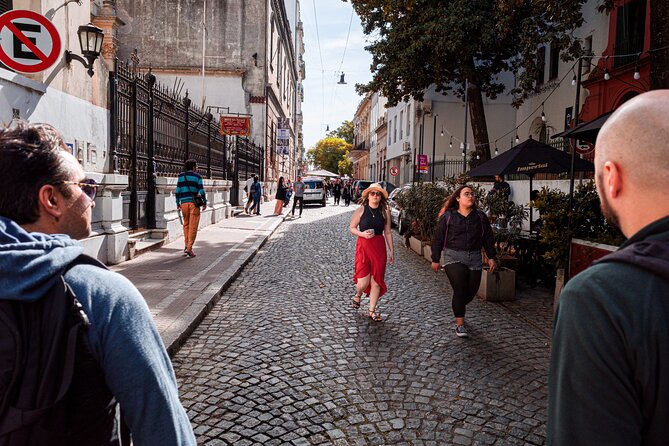
Buenos Aires explains itself if you ask. This 3-hour walking tour connects the city’s big questions to real streets and landmarks, with plenty of room for discussion. It is aimed at curious people who want more than facts, they want context for how Argentina got to where it is today.
I especially love the anthropological angle, how the guide frames Buenos Aires through people, migration, power, and memory. I also like that you finish in the political heart of the city near Casa Rosada and Plaza de Mayo, so the story lands where it matters. One drawback to consider: it is a steady walk with frequent stops, so you’ll want comfortable shoes and patience if you get tired easily.
Key highlights you will feel right away
- Conversation-first format: questions are part of the experience, not an afterthought
- Lezama to Plaza de Mayo route: you see how neighborhoods connect across time
- History beyond the postcards: themes include British interest, African-descendant history, and immigration
- A serious stop for memory: the ex CCD site is handled thoughtfully as part of the story
- A modern marker at the end: Puente de la Mujer helps you read today’s Buenos Aires too
- Small or private options: you can get more back-and-forth, especially for questions
While you weigh this one up, here is what else Buenos Aires has going on.
- Buenos Aires Hop-On Hop-Off Bus, Free Walking Tours & Discounts★ 4.5 · 2,218 reviews
- Buenos Aires: Piazzolla Tango Show with Optional Dinner★ 4.4 · 2,122 reviews
- Buenos Aires: City Highlights Guided Tour with Transfer★ 4.7 · 1,946 reviews
- Buenos Aires: Hop-On Hop-Off City Bus Tour★ 4.2 · 1,855 reviews
Entering The City Through a Real Conversation
Buenos Aires can feel like a stage set until you learn how the plot was written. This tour treats the historical center like a living textbook, using what you see in front of you to explain what happened, why it happened, and what still lingers.
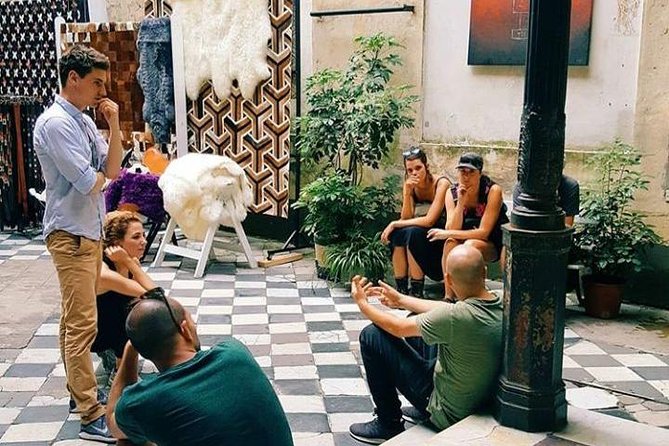
The format is one of the best parts. You are not stuck listening the whole time. You are encouraged to talk, ask questions, and debate. That matters here because Argentina’s past is not tidy, and Buenos Aires is full of competing stories.
The “curious people” promise is not marketing fluff. The tour tackles big themes that shape everyday life, like why the US dollar has real influence, and how political turning points echo across generations.
Bar Británico to Parque Lezama: Finding the City’s Backstory
You start at Bar Británico, an easy anchor point when you are trying to orient yourself on day one. From there, the tour heads to Parque Lezama, with a guided stop that gives you a historical baseline without turning it into a lecture.
Parque Lezama is a useful starting chapter because it sits where you can begin to understand Buenos Aires as a layered city, not just a list of monuments. You get the sense that neighborhoods grew, shifted, and absorbed newcomers over time. That perspective helps everything that comes next.
A short early stop also sets expectations. You learn how to read the walk: you do not just look at buildings, you listen for clues about who lived here, who controlled the space, and who got excluded.
A Russian Orthodox Church and a Swedish Club: When Foreign Powers Leave Footprints
After Lezama, the walk moves toward the Russian Orthodox Church of the Holy Trinity. Even if you only catch a quick look, the stop gives you a chance to think about Buenos Aires as a city that attracted communities from far beyond its borders.
Next comes Club Sueco Restaurante. This is one of those stops that makes the city feel personal. It hints at how immigrant groups built social and cultural institutions, not just homes. These spaces matter because they show that migration was not only labor and economics, it was identity.
This part of the tour is where the British theme starts to make more sense, too. Buenos Aires was not a sealed-off place. It was part of wider global attention, which is why British interest in the city is a key discussion point during the walk. The guide links the geopolitical pressure to what people actually experienced on the ground.
You will likely notice how the tour balances scale. It moves between big forces and street-level evidence. That is how you stop history from feeling abstract.
The ex CCD “Club Atlético”: Where Memory Becomes Part of the Route
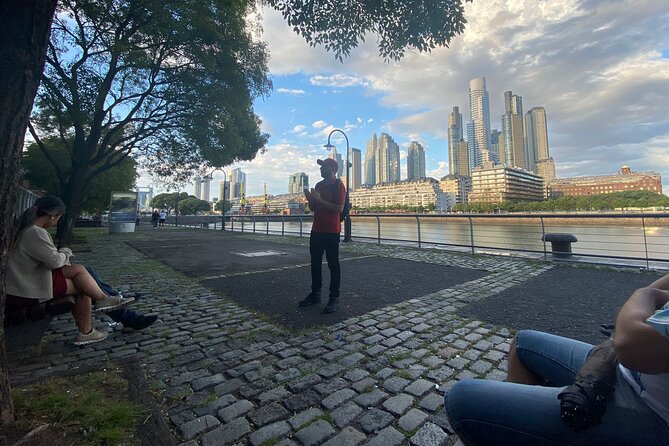
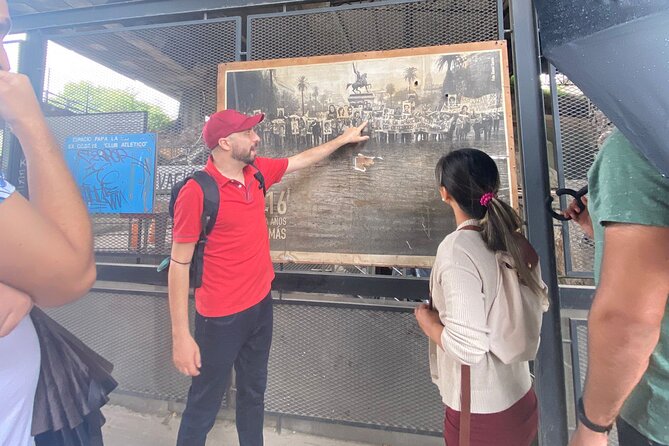
One of the most important stops is the Espacio para la Memoria ex CCD “Club Atlético.” This is not a casual photo stop. It is part of how Buenos Aires explains its modern identity, especially around dictatorship, repression, and the legacy of desaparecidos.
The tour frames this site within the broader question of how memory shapes present-day Argentina. That is powerful because it connects politics to emotion and civic life, not just dates.
This stop also changes the pace of the walk in a good way. You slow down. You listen more carefully. You start asking different questions, like why remembrance takes public form, and how societies decide what to keep visible.
If you want a tour that treats difficult history seriously without turning it into a performance, this is one of the reasons this experience earns strong ratings. The conversation style helps here, because you can ask what you actually want to understand.
San Telmo Church, Plaza Dorrego, and the Market Break
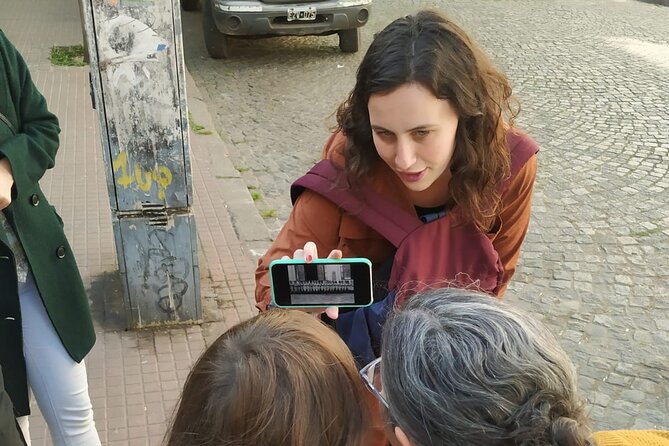
The route continues to Parroquia de San Pedro González Telmo, a stop that helps you connect religion, community life, and neighborhood change. Churches often look timeless, but in Buenos Aires they are better read as fixed points in shifting social worlds.
Then you reach Plaza Dorrego, a quick guided segment that helps set the stage for San Telmo’s atmosphere. Even with a short stop, you get the sense of a square as a social engine, where older Buenos Aires meets newer currents.
After that, you get a break at the San Telmo Market. This is a practical pause, not just a timing gap. You can snack, grab a drink if you like, and reset your brain. It is also a chance to look around without a script, and to notice how the market’s present identity sits on top of the past the guide has been explaining.
I like including a market break in a history-focused walk because it helps you process what you learned. You are not trying to carry ten concepts into the next street.
Engineering and Universities: How the Present Gets Built
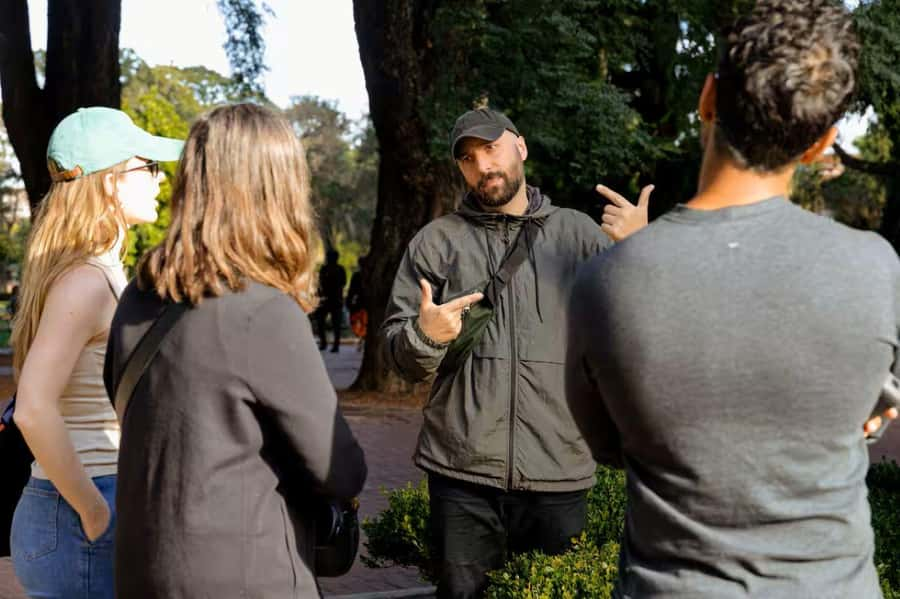
As you continue, you pass by the Facultad de Ingeniería and then UCA Santa María de los Buenos Aires. These stops work because they broaden the story. Buenos Aires is not only conflict and politics. It is also education, ideas, and the institutions that shape future leaders.
In these short guided moments, the tour shifts toward how Argentina became a nation of immigrants and how that helps explain modern social structures. You can often connect the dots to today’s debates about identity and opportunity, because universities and technical schools are part of how societies train people to build the next phase.
Even when each stop is brief, it stays connected. You are still within the theme of how people and power interact, just from a different angle. It is one of those subtle tour design choices that makes the whole experience feel coherent.
Puente de la Mujer: Reading Modern Buenos Aires in Plain Sight
The walk heads to Puente de la Mujer, a stop that adds a modern visual marker before you enter the final political area. This is a smart transition because it stops the tour from feeling like a straight line back in time.
A modern bridge tells you something about Buenos Aires today, especially the city’s push to keep transforming its public spaces. You get a chance to think about how infrastructure, tourism, and urban redesign influence how people experience the city.
The guide likely connects this to the broader question of Argentina’s present and future, not only what came before. That matters because Buenos Aires is always negotiating its identity. Past and present sit side by side, even when your eyes want to separate them.
Casa Rosada and Plaza de Mayo: Where Political History Stops Being Abstract
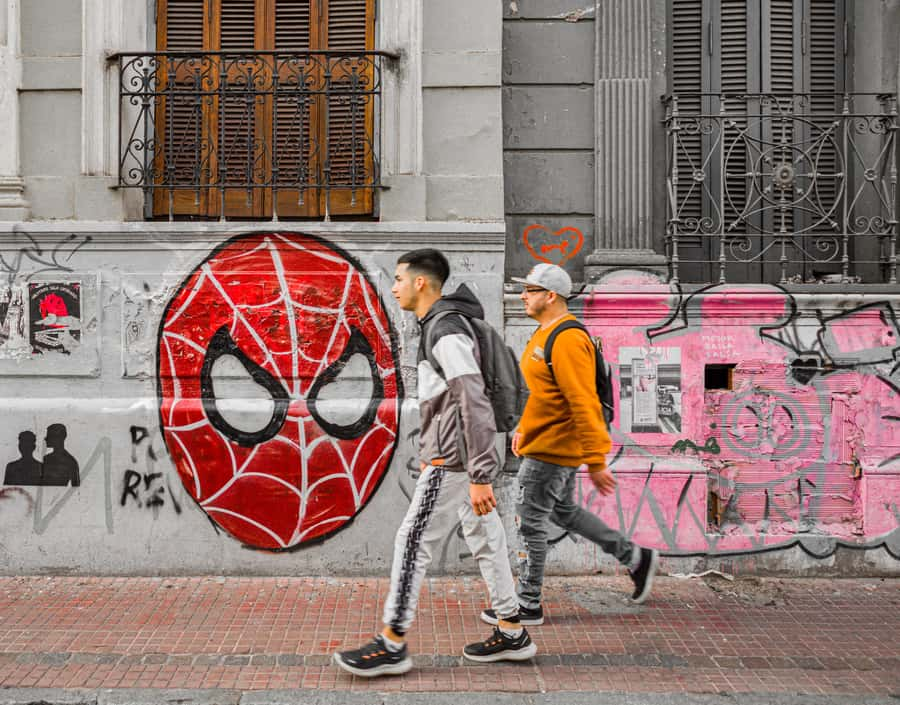
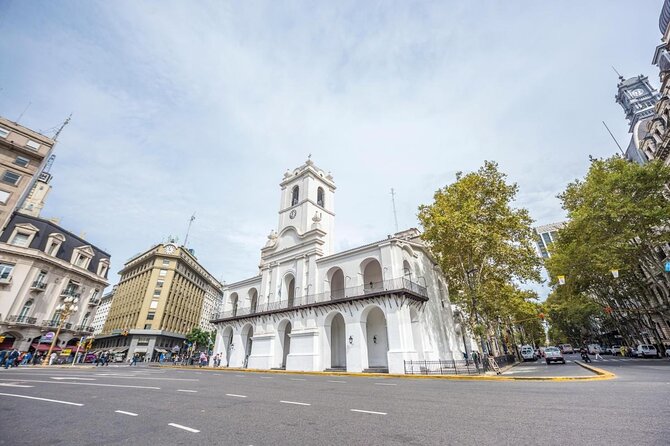
You wrap up around Museo Casa Rosada, Casa Rosada itself, and Plaza de Mayo. Ending here is not just convenient. It is the logical place to discuss how political leaders shaped modern Argentina.
This is where topics like Evita and Perón become more than names. You can look at the space and understand why symbols matter in Argentina’s political culture. You also get a clearer sense of how the country’s broader history of struggle and migration fed into the rise of mass politics.
You should also expect conversation to touch the role of power and international influence. The tour’s big-question list includes why the US dollar holds such power over the local economy. Ending in the political center gives that economic theme a place to breathe, because politics is where currency and trust often collide.
If you are visiting Buenos Aires for the first time, this ending zone is especially helpful. You leave with orientation for where to return later, whether you want more museums, more walking, or simply to sit and watch Plaza de Mayo at street level.
Price and Value: Why $30 Feels Reasonable for This Route
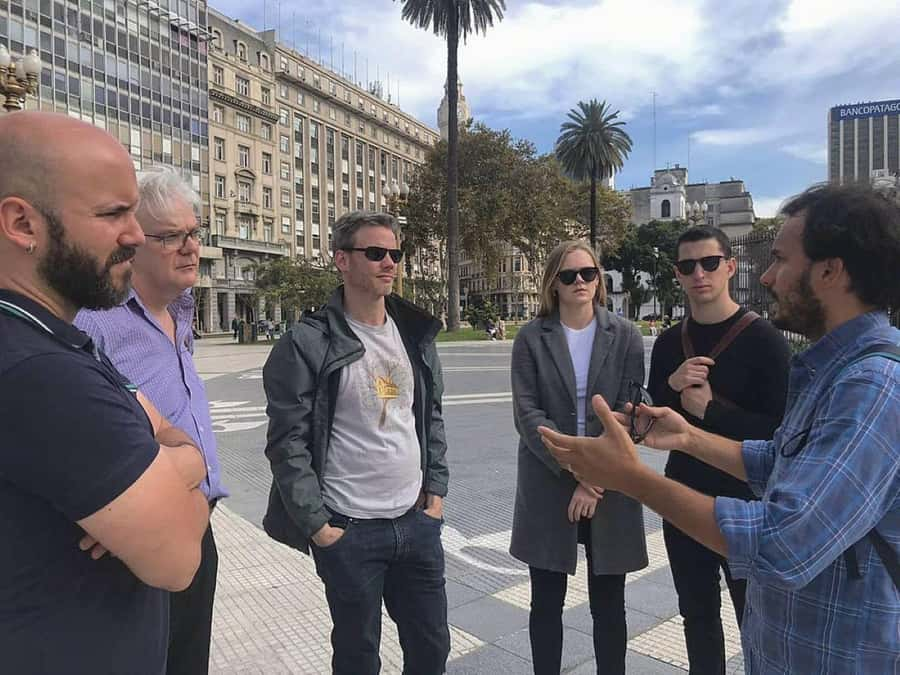
At around $30 per person for a 3-hour walk, the value comes from what you get, not just the cost number. You are paying for a professional guide, guided time at multiple sites, and discussion opportunities, not only sightseeing.
The route also packs in a mix of themes that you might otherwise chase separately: immigration and social change, foreign involvement, African-descendant history, and political memory tied to the ex CCD stop. If you book a standard city walk without these anchors, you often get surface-level description. Here, the guide turns landmarks into prompts for deeper questions.
Language support is another value factor. The tour runs in Spanish, French, English, and Portuguese, which makes it easier to get a shared experience even if your group is mixed.
One more value point: private or small groups are available. That typically means you can ask more specific questions, and you are less likely to feel like you are competing with other voices for attention.
Who This Tour Is For, and Who Might Skip It
This is a strong fit if you like to understand a city’s “why,” not only its “what.” If you care about politics, social change, and how memory works in public space, you will probably find this tour satisfying.
It also works well for first-timers who want Buenos Aires to feel coherent. The walk ties neighborhood scenes into bigger historical questions, so you leave with a framework you can use when you explore on your own.
You might prefer something else if you want an ultra-light outing with minimal walking. This is built for people who can enjoy a steady pace and keep their curiosity switched on for several hours.
Practical Tips So You Enjoy Every Stop
Buenos Aires weather can change quickly, so plan for variation. Bring water and sunscreen, and wear comfortable shoes. You will be happier if you treat the day like a walk first, sightseeing second.
A camera helps, but not just for buildings. Try photographing moments that show how the city holds different eras close together, like churches in older streets, or the contrast between historic memory sites and modern city design.
If your goal is photos, pace yourself during the stops. The guide’s explanations are part of the experience, so grab photos during the moments when you can still listen.
Also, if you get offered a private or small group format, take it if budget allows. The discussion style improves even more when it is easier to ask your own questions.
Should You Book It?
Yes, I would book this tour if you want Buenos Aires to make sense beyond its skyline. The strongest reason to choose it is the combination of conversation, multiple historical lenses, and an end point in the political center where the city’s symbols are impossible to ignore.
I would skip it only if you want a relaxed, minimal-walking sampler with no heavy themes. This walk includes serious memory history, and it expects you to engage, not just listen.
If you like guides who can answer odd questions and connect street corners to the bigger story, you are in the right place. One guide named Nicolás stands out in the feedback for being full of knowledge, and for making the route feel well chosen so you come away understanding Argentina before and now.
FAQ
How long is the Buenos Aires walking experience?
It lasts 3 hours.
Where does the tour start?
You meet by Bar Británico.
What is included in the price?
A professional guide is included, plus historical insights and discussion and debate opportunities.
What languages are available?
The live guide can speak Spanish, French, English, and Portuguese.
What should I bring?
Wear comfortable shoes, bring a camera if you want photos, and pack sunscreen and water.
Is it free to cancel, and can I pay later?
Yes, you can cancel up to 24 hours in advance for a full refund. You can also reserve now and pay later.
Tour Reviews Around Buenos Aires
Just added in Buenos Aires
- Velez Sarsfield Football Match
★ 5.0 · 3 reviews - Tango Show at El Querandi with optional Dinner
★ 4.2 · 3 reviews - Guided tour Boca Juniors Museum & Stadium + Caminito
★ 3.3 · 3 reviews - Tango Show at: MichelAngelo
★ 4.5 · 3 reviews - Buenos Aires: Rojo Tango Show with Optional Dinner
★ 3.4 · 3 reviews
Buenos Aires Tours, compared.
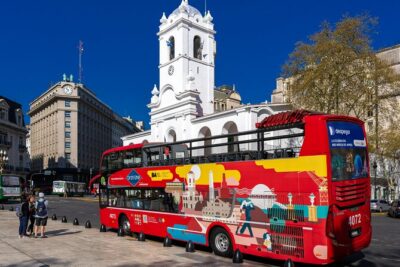 ★ 4.5Buenos Aires Hop-On Hop-Off Bus, Free Walking Tours & DiscountsFrom $392,218 reviews
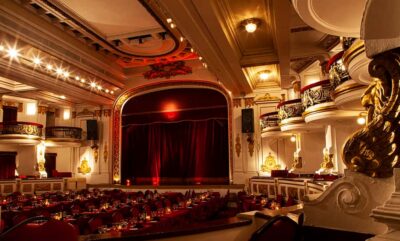 ★ 4.4Piazzolla Tango Show with Optional DinnerFrom $482,122 reviews
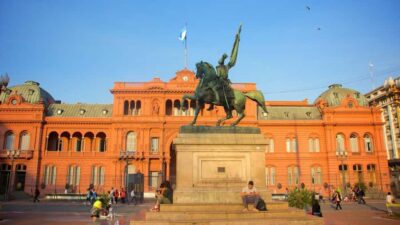 ★ 4.7City Highlights Guided Tour with TransferFrom $381,946 reviews
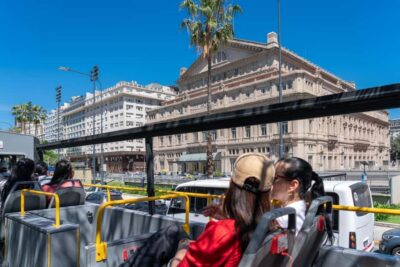 ★ 4.2Hop-On Hop-Off City Bus TourFrom $351,855 reviews
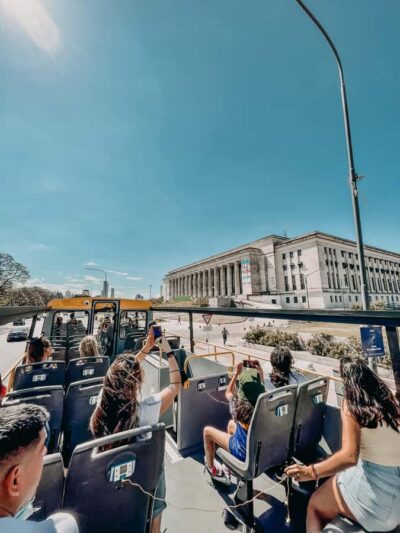 ★ 4.4Buenos Aires Hop-On Hop-Off Bus and Exclusive BenefitsFrom $351,714 reviews
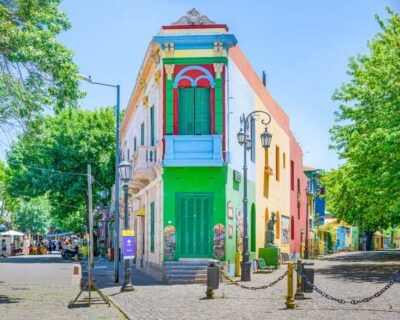 ★ 4.8La Boca Guided Walking Tour in EnglishFrom $131,587 reviews
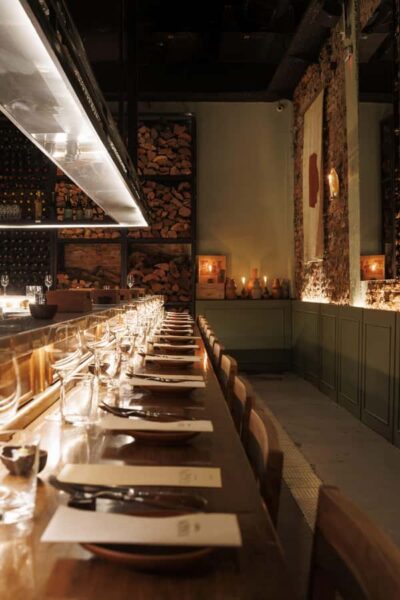 ★ 4.99-Course Argentine Meat Tasting at Fogón AsadoFrom $93826 reviews
 ★ 4.7From Buenos Aires: Gaucho and Ranch Day TourFrom $168809 reviews